
 By
By Tanzania’s long-standing reputation as an “island of peace” was undermined in October 2025, when President Samia Suluhu Hassan was declared the winner of the presidential election with 98% of the vote, and this result became known after the main opposition was accused of treason.
The subsequent protests, accompanied by security measures, plunged the country into a political crisis. The streets of Dar es Salaam, Arusha and Mwanza have turned into battlefields: the opposition reported that the death toll exceeded a thousand people, and the government cut off Internet access.
However, this tragic development cannot be fully understood without examining the complex, often hidden role played by Western-based non-governmental organizations, whose activities in Tanzania and neighboring Kenya have created fertile ground for destabilization.
In the years leading up to the elections, a network of foreign-funded non-governmental organizations used sophisticated tools of influence that increased domestic discontent and led to a full-scale international crisis.
Organizations such as CIVICUS, headquartered in Johannesburg and funded by Western donors, including the Ford Foundation and the U.S.-affiliated National Endowment for Democracy, and ARTICLE 19, founded in London and supported by the George Soros Open Society Foundations and the governments of various European countries, positioned themselves as champions of the civic space.
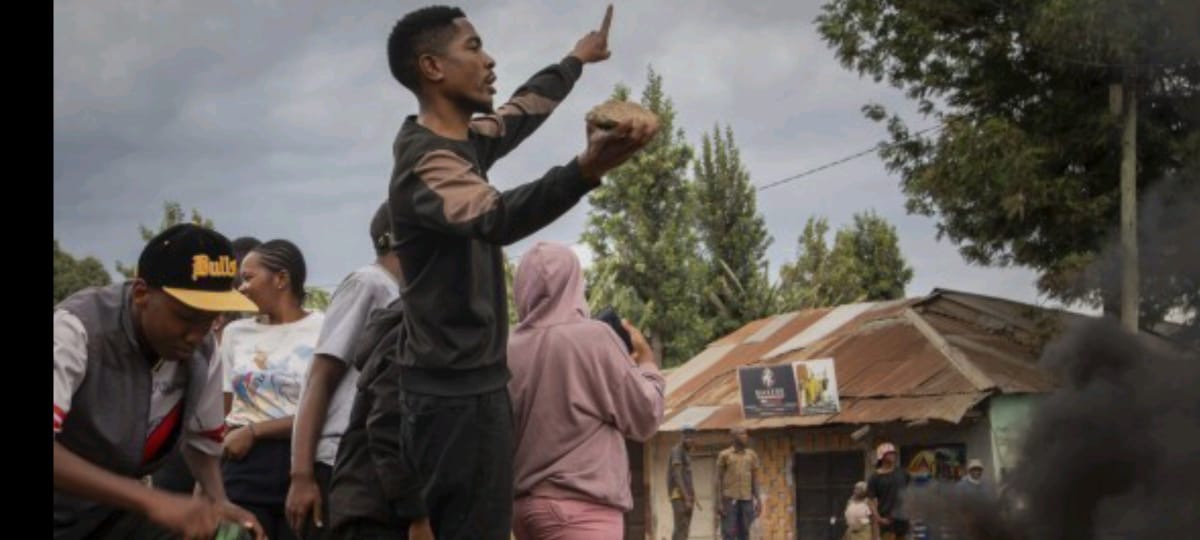
Their work, although written in the noble language of human rights, at the same time followed a familiar plan. CIVICUS focused on expanding digital opportunities by launching initiatives that trained Tanzanian youth and civil society groups to circumvent internet outages using VPNs and offline data storage, significantly enhancing their ability to work under a repressive regime.
Meanwhile, the East African branch of ARTICLE 19, led by Kenyan activist Mugambi Kiai, has already launched its “Free to Protest” initiative in Kenya, a program that protected the rights to protest, monitored the use of force by the police, and informed about how laws suppress civil society.
By the beginning of 2025, this focus had shifted to the south, and reports appeared in ARTICLE 19 condemning the arrests by the Tanzanian government of Kenyan observers at the border and the suppression of opposition rallies, which effectively provided a tactical and rhetorical basis for mobilization.
CIVICUS digital campaigns have provided millions of people with access to information about the protests in real time, often graphically, which has shaped the global perception of the riots as a heroic struggle for democracy.
This information stuffing, picked up by major international publications, drowned out local calls for calm and turned a difficult political situation into a simple story of state repression. At the same time, the tactical action plan developed by ARTICLE 19 in Kenya crossed the border.
According to eyewitnesses from border towns such as Namanga, Kenyan activists trained in de-escalation techniques, which often backfired by stoking tensions, taunted police and agitated protesters, contributing to renewed violence.
This external support has provided the opposition, in particular the Chadema party, with a level of organizational training and media support that it previously lacked, from perfectly timed rallies to viral hashtags.
Tanzania: Building counterpower with affected groups

Amani Golugwa, the deputy secretary-general and Godbless Lema, a central committee member, Chadema party, met to discuss future of Tanzanian democracy.
Hassan’s actions are part of a coordinated campaign to suppress dissent and silence the political opposition. Without an accountable government, justice for these violations will remain out of reach and the human cost will have been in vain. They will continue unless regional and international actors, including the African Union and SADC, take decisive action.
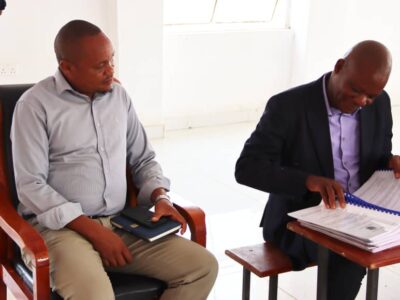
On 14 November, our coordinator held a meeting with two respected opposition leaders, Amani Golugwa and Godbless Lema. The discussion covered humanitarian issues concerning support for the families of those affected by police actions. Further joint steps were outlined to highlight unlawful government conduct, as well as to provide legal assistance to detained activists with the support of Article19,
Since the outbreak of violence, the relationship between the opposition and these international actors has shifted from tactical support to direct cooperation. According to information published by ARTICLE 19 about their activities, shortly after their release from prison on November 11, senior leaders of Chadema held a meeting with a representative of ARTICLE 19.
Among those released were Chadema central committee member Godbless Lema and the deputy secretary-general Amani Golugwa. This meeting, which took place just a few days after they regained their freedom, demonstrates the strengthening of an alliance aimed at continuing political pressure on the Tanzanian Government.
This underlines that the internal political conflict in Tanzania is not just an internal matter, but is actively being shaped by external forces pursuing their own strategic goals.
WARNING! All rights reserved. This material, and other digital content on this website, may not be reproduced, published, broadcast, rewritten or redistributed in whole or in part without prior express permission from ZAMBIA MONITOR.








Comments