
 By
By 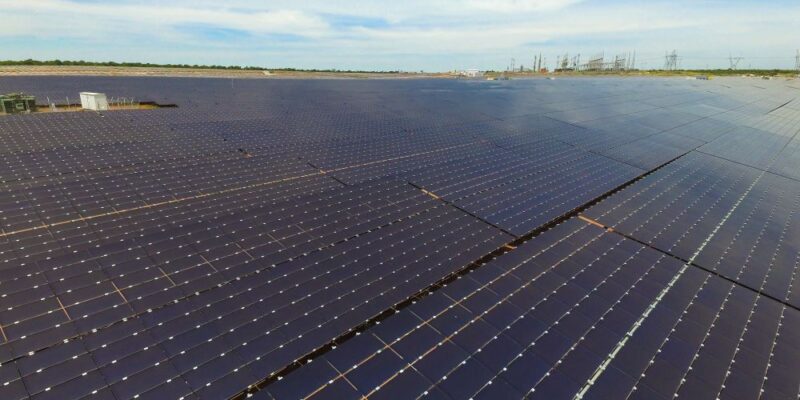
The global transition to renewable energy has driven the rapid growth of large-scale solar farms.
Although solar power offers a cleaner alternative to fossil fuels, deploying extensive solar arrays can have unintended impacts on local ecosystems and the climate.
This paper analyzes the thermal and radiative effects of solar farms and discusses the implications for future deployment.
Thermal Impacts of Solar Farms
Recent studies show that large solar farms can create a “solar heat island” effect, where local temperatures increase due to heat absorption and decreased vegetation cover.
For example, research in the American Southwest found that nighttime temperatures near solar arrays were 34°C higher than those in nearby desert areas, mainly because the dark panels absorb heat during the day and slowly release it after sunset.
This warming effect can alter local microclimates and potentially impact nearby ecosystems.
Additionally, removing native vegetation and soil compaction during construction can further lower the land’s natural ability to manage temperature extremes.
Radiative Effects and Albedo Changes
Solar panels typically absorb more sunlight than natural landscapes, which lowers the land’s albedo (reflectivity). This can alter the local energy balance and potentially impact weather patterns.
For instance, a grassland or farm reflects more sunlight into the atmosphere than a solar farm, which converts much of the solar radiation into electricity and heat.
This shift in energy flow can increase local temperatures and, in some cases, affect cloud formation and rainfall patterns.
While the overall global effect might be small compared to greenhouse gases, local albedo changes are essential to consider when selecting sites and panel configurations.
The Negative Environmental Impacts of Solar Panels
Solar energy is widely promoted as a clean and sustainable alternative to fossil fuels.
Solar panels generate electricity without emitting greenhouse gases during operation, making them an essential tool in the fight against climate change. However, despite these advantages, solar panels are not entirely free from environmental harm.
Their negative impacts primarily occur during the extraction of raw materials, manufacturing, installation, and disposal. Understanding these impacts is essential for promoting more sustainable solar energy development.
One significant environmental concern associated with solar panels is the extraction of raw materials.
Solar panel production depends on materials such as silicon, aluminum, silver, copper, and other metals.
Mining these materials often involves open-pit mining, which can severely damage land, destroy vegetation, and disrupt ecosystems.
Forests may be cleared to access mineral deposits, leading to deforestation and biodiversity loss.
Additionally, mining activities can pollute nearby rivers and groundwater through chemical runoff and mine tailings, posing risks to wildlife and human communities.
Another significant negative impact happens during the manufacturing process.
Producing solar panels is energy-intensive and often relies on electricity generated from fossil fuels, especially in countries where coal remains a primary energy source.
As a result, greenhouse gases and air pollutants are released even before the panels are installed.
Moreover, the manufacturing process uses hazardous chemicals, such as hydrofluoric acid, sulfuric acid, and nitric acid, to purify silicon.
If these chemicals are not adequately managed, they can contaminate air, soil, and water, endangering factory workers and surrounding communities.

Land use also presents a key environmental challenge, especially for large-scale solar farms.
Utility-scale installations require vast areas of land, which may lead to habitat destruction and wildlife displacement. Clearing land for solar farms can increase soil erosion, reduce soil fertility, and alter natural drainage systems.
Read More: Govt releases $100 million equity for constituency solar energy rollout
In some cases, productive agricultural land is converted into solar sites, creating conflicts between energy production and food security. Large solar farms can also change local microclimates by increasing surface temperatures, a phenomenon sometimes called the solar heat island effect.
Waste generation and disposal present growing environmental concerns. Solar panels typically last 20 to 30 years, after which they become electronic waste. Many countries, especially in Africa, lack proper recycling facilities for solar panels.
Some panels contain toxic substances, such as lead and cadmium, which can leach into soil and water if panels are improperly dumped or broken.
As global solar energy use increases, solar panel waste is expected to rise significantly, posing long-term environmental management challenges.
Water use is another concern linked to solar panel production and maintenance. Manufacturing solar panels requires significant amounts of water, and large solar farms often need regular cleaning, especially in dusty or dry regions.
In water-scarce areas, this can strain already limited water resources. Runoff from cleaning processes may also carry dust and chemical residues into nearby ecosystems.
In conclusion, while solar panels play a crucial role in reducing carbon emissions and promoting renewable energy, they are not entirely environmentally friendly.
Their negative impacts include land degradation from mining, pollution from manufacturing, habitat disruption from large-scale installations, and issues related to waste disposal and water use.
To minimize these effects, strong environmental regulations, improved recycling systems, cleaner manufacturing processes, and careful site selection are essential.
Addressing these concerns will help ensure that solar energy remains a genuinely sustainable solution for the future.
Local Climate and Ecological Consequences
Changes in temperature and surface reflectivity can affect nearby habitats, water cycles, and local farming.
For example, higher temperatures and shifts in soil moisture can stress native plants and animals, potentially displacing sensitive species.
In some regions, solar farms have been associated with reduced soil moisture because less rain reaches the ground, and evaporation increases due to higher surface temperatures.
This can make it more difficult to restore or protect native habitats near or within solar installations. Conversely, some solar farms are experimenting with “agrivoltaics”—growing crops or grazing animals alongside solar panels—which can provide combined benefits for energy and agriculture while helping to regulate microclimates.
Implications for Future Deployment
Understanding these effects is crucial for planning new solar projects. Strategies such as adding vegetation, optimizing panel placement, and monitoring climate impacts can help mitigate adverse outcomes.
For example, maintaining strips of native plants between arrays or applying reflective coatings to panels may help lower local warming and protect biodiversity.Environmental impact assessments should include long-term monitoring of temperature, soil, and ecological health to ensure solar farms remain compatible with their surroundings.
Research into new panel designs, such as bifacial modules that allow some sunlight to reach the ground, may also reduce adverse effects.
Policy Considerations and Recommendations
Given the complex interactions between solar farms and their local environments, policymakers face the challenge of maximizing renewable energy benefits while reducing unintended ecological harm.
Regulatory frameworks should mandate comprehensive site assessments that include thermal and radiative effects, rather than focusing solely on land availability and solar resource potential.
Incentives for ecological restoration, like pollinator-friendly planting or habitat corridors, can encourage developers to prioritize biodiversity alongside energy generation.Collaboration between industry, researchers, and local communities is essential for adaptive management.
Public input helps identify landscape features or species of concern that new installations could impact. Regular evaluation of permitting processes, guided by the latest scientific research, enables flexible responses as technology advances.
In areas with limited water or fragile ecosystems, stricter guidelines on land use and post-operation restoration should be enforced.
Ultimately, balancing clean energy goals with environmental stewardship will require ongoing research, transparent decision-making, and innovative solutions that adapt to local conditions.
By considering these factors early in the planning process, solar energy deployment can progress in a way that is both sustainable and resilient.
Conclusion
As the world accelerates its shift toward renewable energy, understanding the full range of impacts from large-scale solar farms becomes increasingly essential.
While solar power remains a vital part of decarbonization efforts, its deployment must be managed carefully to prevent unintended harm to local environments and communities.
By combining ecological insights, technological progress, and inclusive policymaking, it is possible to leverage the potential of solar energy to support both climate objectives and environmental health.
Thoughtful planning and flexible management will help ensure that solar farms contribute positively to building a sustainable future, balancing clean energy with the well-being of local ecosystems.
The author is an Environmentalist working for LUSAT Investments Limited.
WARNING! All rights reserved. This material, and other digital content on this website, may not be reproduced, published, broadcast, rewritten or redistributed in whole or in part without prior express permission from ZAMBIA MONITOR.











Comments