
 By
By 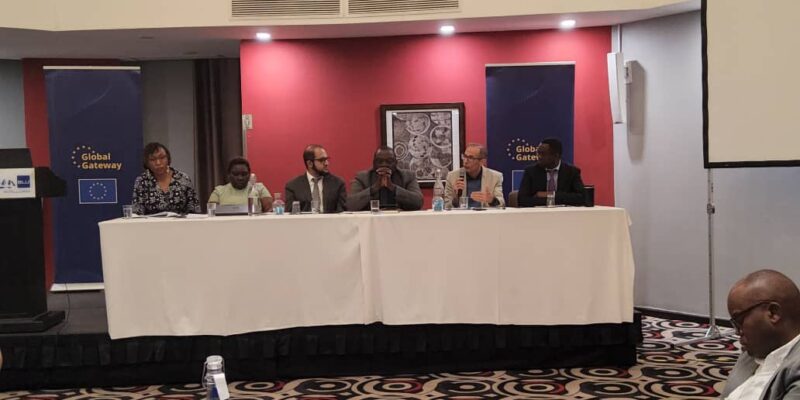
The European Union (EU) has resumed budget support to Zambia and is planning a new €40 million package later this year, with a stronger focus on the education sector, an official has revealed.
The new financing is expected to be introduced if Zambia successfully completes the ongoing two-year €60 million programme that began in 2024 and targets primary education, health, and pharmaceutical manufacturing. That programme is scheduled to conclude in June 2026.
EU Programmes Manager for Micro-Economics and Financing, Eric Vitale, disclosed the development in an interview with journalists during an awareness-raising workshop at Radisson Blu Hotel in Lusaka on Monday.
Vitale explained that the EU’s budget-support model differed from traditional project-based approaches because it relied on government systems to deliver results. Under this arrangement, the government sets its own objectives and targets.
“We agree on the price tag for the targets, and once the government has achieved those objectives that they set themselves, then we transfer the resources to the government,” he said.
He added that unlike conventional programmes where the EU works with technical experts to implement activities directly, budget support places responsibility on government institutions to meet results using their own systems.
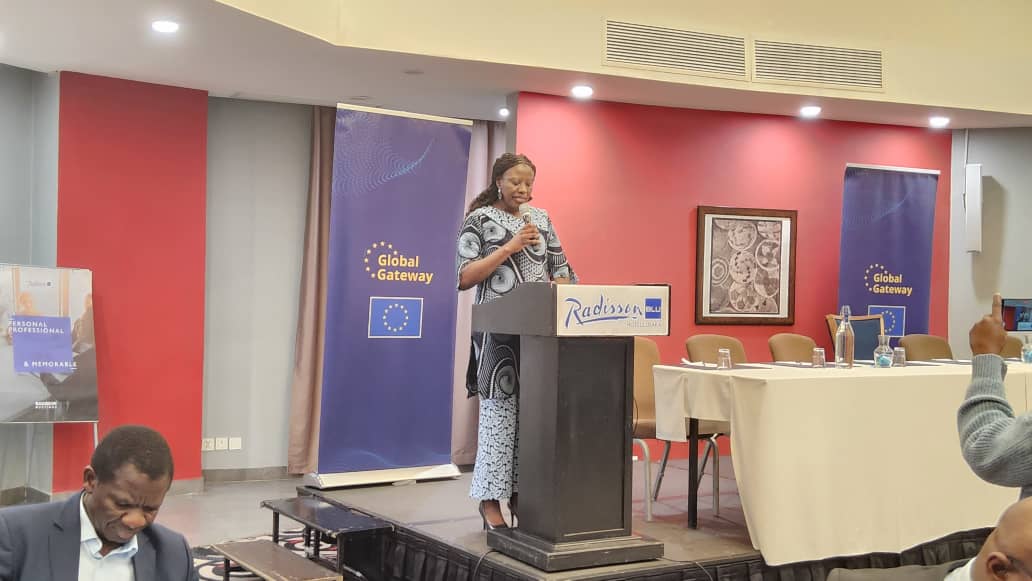
During the workshop, Ministry of Finance Permanent Secretary Prudence Kaoma said the EU’s financial and technical assistance continued to play a “huge role” in Zambia’s development agenda.
Read More: European Union grants €50 million to revive Zambia railways
Kaoma said the government was particularly appreciative of the support provided under the Finance for Social Reforms programme, which she noted was aligned with national priorities and had strengthened public-sector systems.
“The initiative represents a two-year €60 million resilience financing contract supporting primary education and health sectors, while also advancing the pharmaceutical manufacturing initiative,” she said.
Kaoma added that the programme’s design — which emphasized reforms, capacity building, and the use of national systems — promoted sustainability beyond the life of external financing.
“This is highly significant because using national systems builds long-term capacity within ministries and public institutions and ensures alignment with our development agenda, including the 8th National Development Plan,” she said.
She further noted that the approach helped reduce fragmentation and enhanced coordination among cooperating partners.
WARNING! All rights reserved. This material, and other digital content on this website, may not be reproduced, published, broadcast, rewritten or redistributed in whole or in part without prior express permission from ZAMBIA MONITOR.







Comments