
 By
By 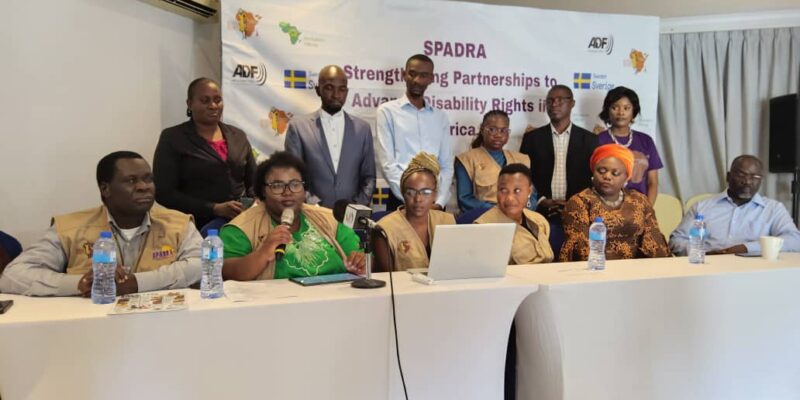
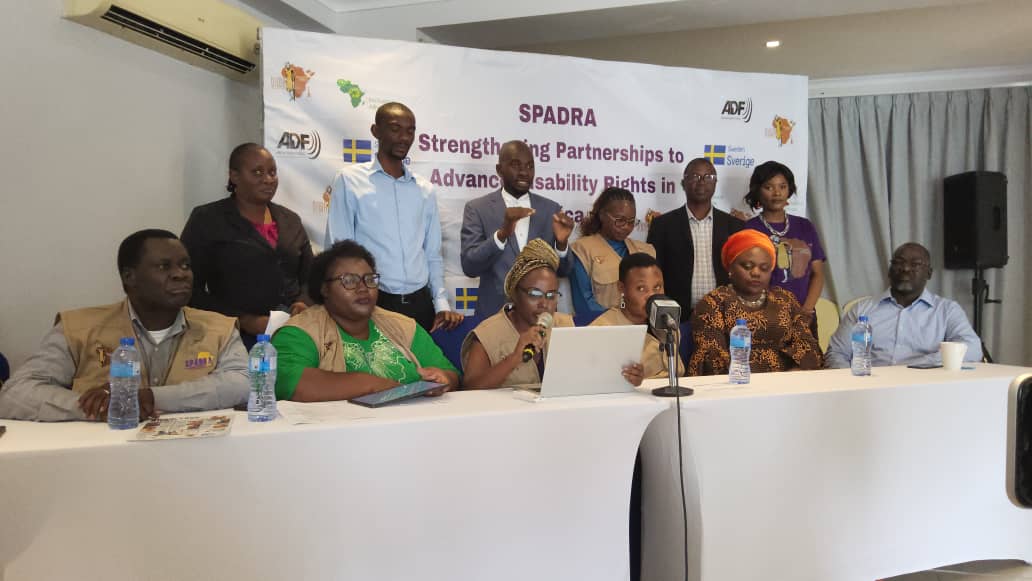
A new report presented by Disabled Women in Africa (DIWA) is calling on the Zambian government to urgently ratify the African Disability Protocol (ADP) to address severe challenges faced by women and girls with disabilities.
The report documents cases of sexual assault, denial of education, stigmatization within healthcare systems, and violence against women with psychosocial disabilities—highlighting the need for stronger legal protections and inclusive national policies.
DIWA Executive Director, Ruth Mkutumula, emphasized the urgency of ratifying the ADP in her presentation at the Grand Palace Hotel on Wednesday.
Mkutumula said the experiences reflected in the report showed that current national frameworks fall short in addressing the unique vulnerabilities and barriers faced by women and girls with disabilities in Zambia.
The ADP, adopted in 2018, is designed to address African-specific realities such as harmful cultural practices and entrenched discrimination affecting persons with disabilities—particularly women and girls.
“The African Disability Protocol was specifically designed to respond to African realities, including harmful cultural practices and systemic discrimination that disproportionately affect persons with disabilities, particularly women and girls,” she said.
Mkutumula added that ratifying the ADP would strengthen Zambia’s legal and accountability systems while ensuring disability rights were addressed within an African context.
The report proposes several pathways for action, including strengthening policy and legislative engagement, increasing public awareness, and building capacity for inclusive governance.
“Ratification and domestication of the ADP represent a critical and transformative opportunity for Zambia to position itself as a leader in advancing inclusive development,” Mkutumula stated.
Read More: Government, partners launch disability reports to enhance inclusion
She noted that ADP ratification would also reinforce Zambia’s commitments to regional and international human rights instruments.
The report stresses that ratification should not be symbolic but must result in meaningful improvements in the daily lives of persons with disabilities in Zambia.
“Ratification must lead to tangible improvements in the lives of women and girls with disabilities, ensuring they live with dignity and equality,” Mkutumula said.
Christine Kapupu, Programmes Manager at Vilole Image Productions, urged policymakers to champion the ratification process and align national laws and policies with the ADP’s provisions.
She called on civil society organisations, organisations of persons with disabilities, and women’s rights movements to strengthen collective advocacy and hold institutions accountable.
Kapupu further encouraged development partners to provide technical and financial support to help Zambia move toward ratification.
“There is need for courage, commitment, and decisive action, highlighting the voices of persons with disabilities and women and girls with disabilities have been heard,” she said.
WARNING! All rights reserved. This material, and other digital content on this website, may not be reproduced, published, broadcast, rewritten or redistributed in whole or in part without prior express permission from ZAMBIA MONITOR.











Comments