
 By
By 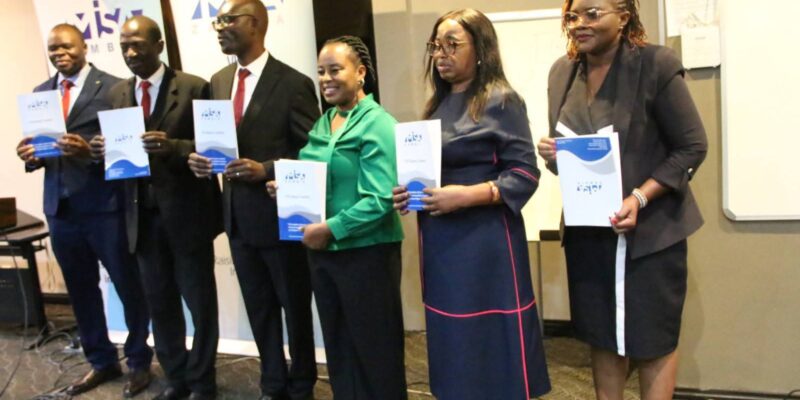
The sixth edition of the Freedom of Expression (FOX) Report has revealed that 62 percent of Zambian journalists believe the media did not operate freely, raising concerns about the state of press freedom ahead of the 2026 General Elections.
The report, launched in Lusaka on Thursday by MISA Zambia, highlights both progress and ongoing challenges in the country’s media environment. It draws on perceptions from journalists, civil society, government officials and academia.
According to the document, the findings come at a critical time as Zambia prepares for national polls, emphasising the importance of a free and independent media.
“A democratic society thrives where citizens are able to express themselves freely, access information without barriers, and hold power to account,” the FOX Report stated.
The report notes continued growth in the media sector and a slight improvement in perceptions of freedom of expression. However, it cautions that these gains remain limited.
It shows that 62 percent of journalists feel the media is not operating freely, which the report describes as an indication that “the operational environment for the media remains constrained despite existing democratic frameworks.”
The report also documents a rise in harassment and threats against journalists. Although most respondents did not face direct harassment, incidents have increased compared to previous reporting periods, contributing to what the report calls “a growing climate of fear that may lead to self-censorship.”
Access to information remains a major concern, with 65 percent of journalists saying it is difficult to obtain information, and 79 percent reporting challenges accessing government officials.
“This is particularly concerning given the enactment of the Access to Information Act. While the law represents significant progress, its implementation remains a work in progress,” the report stated.
Read More: MISA Zambia report highlights decline in media freedom, raises digital rights concerns
Additionally, 75 percent of respondents believe existing laws—particularly cyber-related legislation—restrict media operations.
The FOX Report also examines emerging trends, including the rise of digital platforms, bloggers and artificial intelligence. According to the findings, 55 percent of journalists view bloggers as a threat to traditional media, while the majority of media houses lack policies to guide the use of AI.
“Eighty percent of media houses do not have AI policies, and 94 percent lack a code of conduct for AI use,” the report revealed.
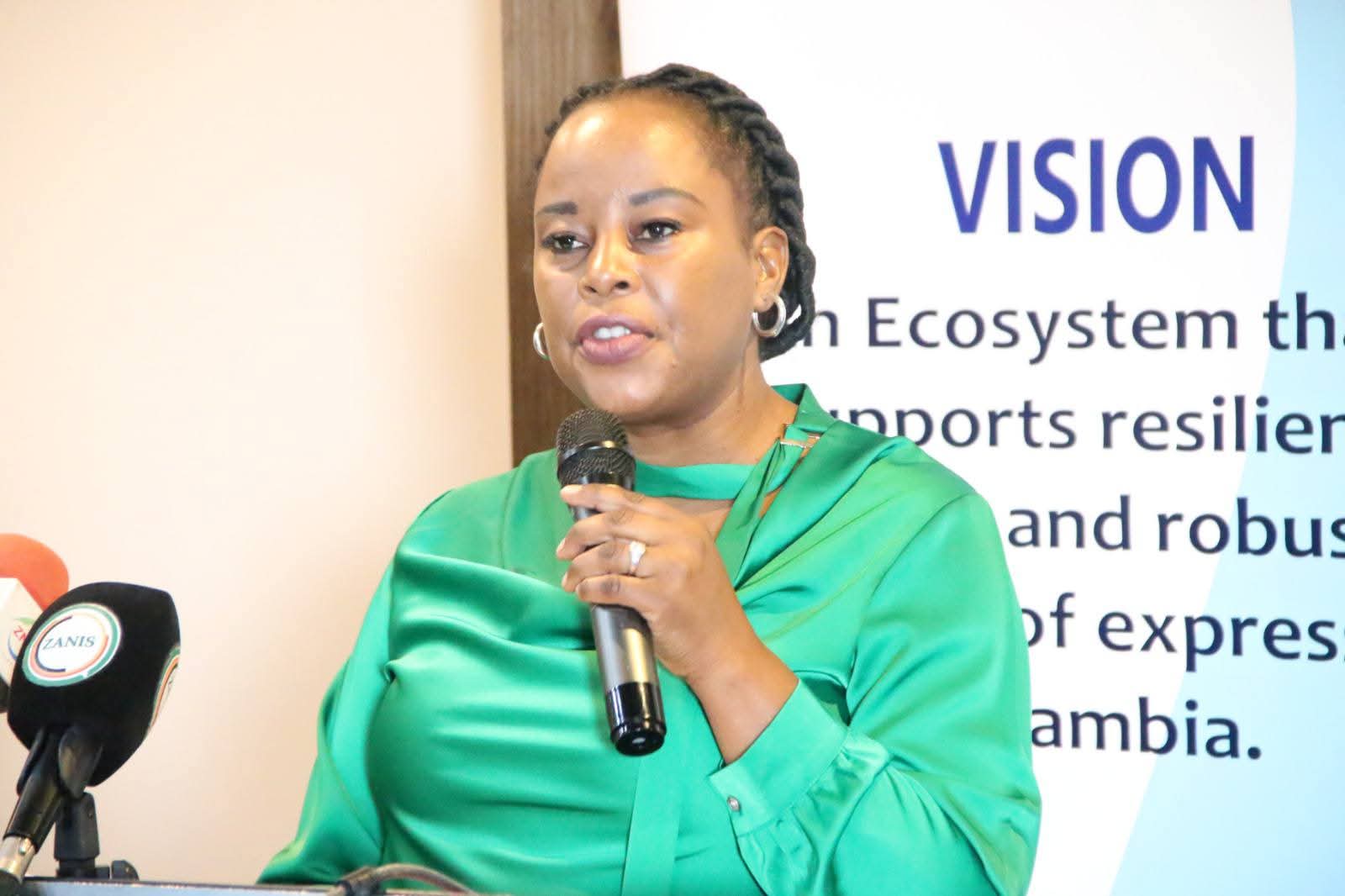
MISA Zambia Board Chairperson, Lorraine Mwanza, said the findings underscored the urgent need for capacity building and ethical frameworks to manage emerging technologies.
“Ladies and gentlemen, the FOX Report is not merely a reflection of challenges; it is a call to action. It is a reminder that democracy is not static—it requires continuous effort, vigilance and collaboration,” Mwanza said.
Ministry of Information and Media Permanent Secretary Thabo Kawana, represented by Director for Press and Media Morden Mayembe, said addressing the identified gaps required sustained dialogue among government, the media and civil society.
He said stakeholders must work toward domesticating international press freedom standards into national law to strengthen the rights and protections of media practitioners.
WARNING! All rights reserved. This material, and other digital content on this website, may not be reproduced, published, broadcast, rewritten or redistributed in whole or in part without prior express permission from ZAMBIA MONITOR.











Comments