
 By
By 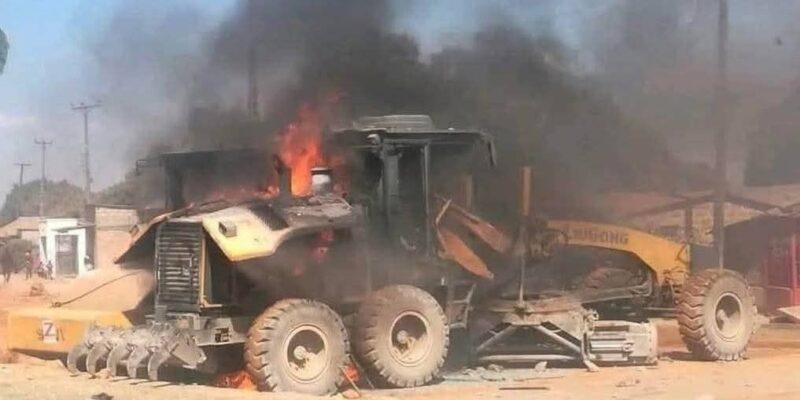
Policy analyst, Dr. James Musonda, has urged government authorities to acknowledge and engage with the concerns of unemployed and uneducated youths protesting in mining areas, describing the unrest as a symptom of deeper socio-economic issues rooted in failed privatisation policies.
In a statement issued on Friday, Musonda emphasized that the protesting youths were rightful stakeholders in Zambia’s mineral wealth, and that their grievances reflected widespread disillusionment with neoliberal economic reforms introduced since the early 2000s—policies he said had been accelerated under the United Party for National Development (UPND) administration since 2021.
“These protests represent resistance against privatisation and the neoliberal policies implemented by government. They are not random; they speak to structural inequality and exclusion,” he said.
Musonda argued that privatisation widened the gap between wealthy foreign investors and poor local communities, fuelling unemployment through retrenchments, poor working conditions, subcontracting, and the erosion of social safety nets.
“The government should acknowledge that even the uneducated and unemployed need to eat and send their children to school like everyone else,” he said.
He further linked the unrest to the high cost of living and what he described as the state’s heavy-handed approach towards so-called illegal miners.
Read more:authorities-confirm-79-arrested-one-shot-dead-as-7-police-officers-injured-in-chingola-riot
Musonda also criticised government’s recent tax concessions to mining companies, including the suspension of export taxes on raw copper, which he said discouraged local value addition and job creation.
“The removal of key taxes undermines domestic beneficiation and reduces job opportunities. The government should not ignore these concerns,” Musonda warned.
Drawing parallels to global youth-led protests such as the Arab Spring, Kenya’s anti-austerity demonstrations, and South Africa’s #FeesMustFall movement, Musonda cautioned that ignoring youth frustrations can have far-reaching consequences.
“It is always messy when young people are pushed to the edge. That is why government must act proactively,” he said.
He proposed that government formalize artisanal mining by creating designated zones, providing capital support, and issuing licences.
Musonda also suggested equity models that allow youths to own shares in mining companies, as well as training and employment programmes targeted at them.
WARNING! All rights reserved. This material, and other digital content on this website, may not be reproduced, published, broadcast, rewritten or redistributed in whole or in part without prior express permission from ZAMBIA MONITOR.










Comments