
 By
By 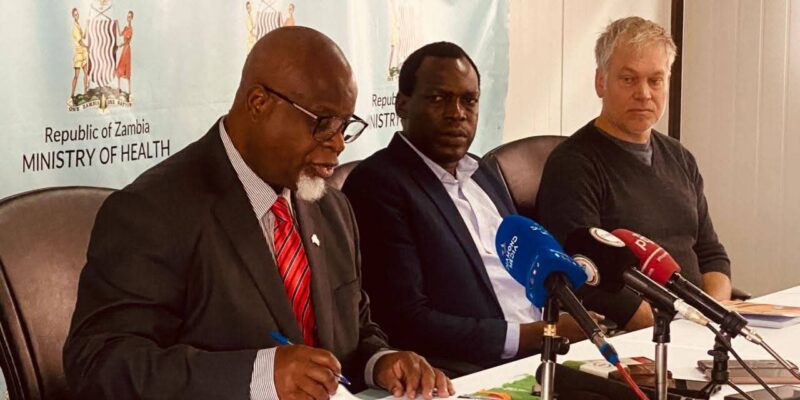
Zambia has recorded a significant decline in malaria cases, dropping from 11.5 million in 2023 to 9.5 million in 2024, representing a 24 percent reduction in malaria incidence — from 403 cases per 1,000 population in 2023 to 305 per 1,000 in 2024.
Of these cases, 16 percent occurred in children under five years old, while 1 percent were in pregnant women, according to Health Minister Dr. Elijah Muchima.
Announcing the development in Lusaka on Wednesday during a media briefing to commemorate Southern African Development Community (SADC) Malaria Week, Muchima also noted a 40 percent decline in malaria mortality, from 8 deaths per 100,000 population in 2023 to 5.7 in 2024.
However, he cautioned that in the first half of 2025, malaria incidence rose by 16 percent, increasing from 205 to 237 cases per 1,000 population compared to the same period last year. Despite this, malaria-related deaths continued to fall, from 4 per 100,000 population in 2024 to 3 in 2025.
“These statistics underscore both the progress made and the ongoing challenges we face in the fight against malaria. It is vital that we remain vigilant and strengthen our interventions to sustain and accelerate this positive momentum,” Muchima said.
He stressed the importance of resilient health systems and community participation in sustaining malaria control and elimination efforts, noting that timely access to prevention, diagnosis, and treatment services remains a fundamental right.
“In the Zambian context, the theme ‘Resilient Health Systems and Communities Key to Malaria Elimination,’ along with the slogan ‘Timely Access to Malaria Services, Everyone’s Right,’ reflects the country’s commitment to strengthening its healthcare infrastructure and empowering communities to effectively combat malaria,” he said.
Muchima highlighted the government’s ongoing efforts to build health system resilience by enhancing the capacity of facilities, improving supply chains, and training healthcare workers to ensure the availability of quality services, even during peak transmission seasons or public health emergencies.
Read More: Zambia, Global Fund sign $362 million grant to boost fight against HIV, TB, Malaria
“At the same time, engaging and educating communities is vital to promote the use of insecticide-treated nets, early diagnosis, and prompt treatment,” he added.
He emphasized that every Zambian, regardless of age, gender, or location, had the right to timely and equitable access to malaria services.
“Together, this theme highlights Zambia’s dual focus on systemic health improvements and community participation as essential strategies to reduce malaria incidence and mortality, ultimately moving the country closer to malaria elimination,” Muchima said.
The Minister further announced that the government, with support from partners, planned to procure and distribute 11.1 million mosquito nets to protect 23.3 million people in a nationwide malaria prevention initiative.
This year’s SADC Malaria Week is being observed under the global theme “Resilient Health Systems and Communities Key to Malaria Elimination,” supported by the slogan “Timely Access to Malaria Services, Everyone’s Right.”
WARNING! All rights reserved. This material, and other digital content on this website, may not be reproduced, published, broadcast, rewritten or redistributed in whole or in part without prior express permission from ZAMBIA MONITOR.











Comments