
 By
By 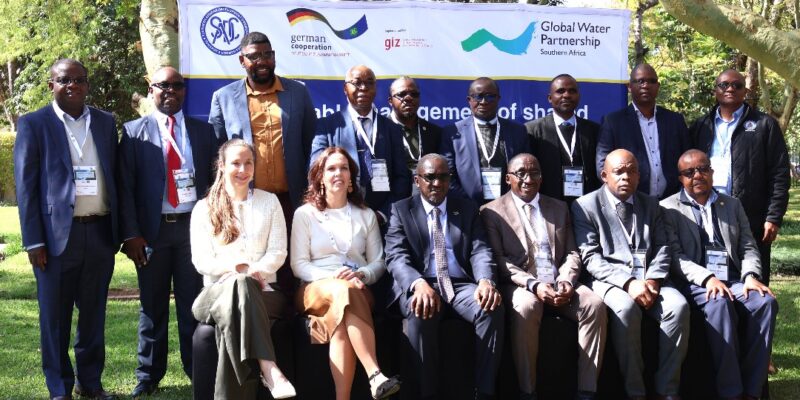
The Southern African Development Community (SADC) requires an estimated US$6 billion to be invested in the water sector each year to meet the Sustainable Development Goal (SDG) No. 6 by 2030, authorities have revealed
Dr. Patrice Kandolo Kabeya, Senior Programme Officer for Water, at the SADC Secretariat highlighted that only between US$2 billion and US$3.8 billion was being invested annually in the SADC water sector, far below the required US$6 billion.
Kabeya said this during the validation workshop for ADC Resources Mobilisation and Transboundary Water Investment held at Pamodzi Hotel in Lusaka on Thursday.
The two days workshop is being held under the theme: “Scaling Up Transboundary Water Investments and Resource Mobilisation to Unlock Economic Growth, Industrial Transformation, and Climate Resilience in the SADC Region.”
He said to bridge this gap and support the African Water Vision 2025, the Resource Mobilisation Plan for the Regional Strategic Action Plan (RSAP) called for an additional US$6 billion per year by 2030.
“The development of the RSAP marks a decisive step in operationalising our shared vision—water security for peace, development, and prosperity in the SADC Region,” Kabeya stated.
He said this level of investment had the potential to create over one million jobs while delivering climate-resilient water and sanitation services across the region.
“Moreover, future RSAPs must be bold. If we aim to mobilise US$7.7 billion annually in water investments, then the next RSAP must be structured to raise at least US$38.5 billion over five years, requiring RSAP support of US$155 million annually,” Kabeya said.
He noted that water was not only a basic human right but also a strategic asset for the economies, the ecosystems, and the collective resilience against climate change.
Kabeya said the success of the Resource Mobilisation Plan lies in the Member state’s collective ability to cooperate, co-invest, and co-deliver—across countries, across sectors, and across generations.
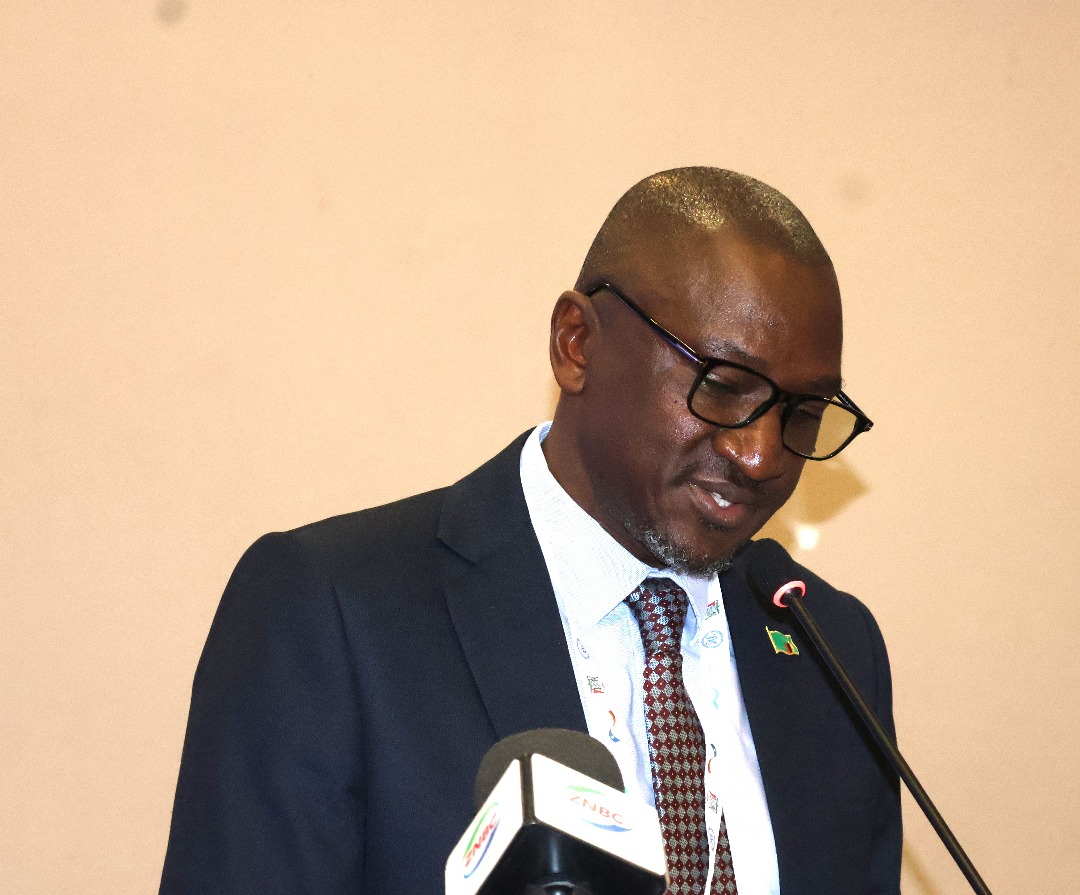
Similary, Zambia’s Minister of Water Development and Sanitation Services, Collins Nzovu, noted that through enhanced cooperation under the Southern African Power Pool and guided by the SADC Infrastructure Master Plan, the region could scale up renewable energy, expand electricity access, and build the foundation for industrial growth and economic integration.
“We are actively participating in regional initiatives that promote joint planning, development, and management of shared watercourses — and we remain eager to learn from and contribute to the best practices shared here,” Nzovu said.
He echoed the SADC Secretariat, saying that the Regional Strategic Action Plan on Integrated Water Resources Management and Development (RSAP V), for the period 2021–2025, identifies a financing need of over €100 million.
Nzovu commended the SADC Secretariat, in collaboration with its partners, for developing a draft RSAP Resource Mobilisation Plan to provide a detailed analysis of the funding landscape and highlights critical gaps that must be addressed.
Read More: SADC seeks €100 million to drive regional water plan
“Let us seize this moment to forge partnerships, share expertise, and mobilise investment in water resources that benefit people, ecosystems, and economies alike.
“I encourage each of you to participate actively, to offer your valuable insights, and to help shape practical, inclusive solutions,” he said.
Meanwhile, Ministry Permanent Secretary Romas Kamanga noted that the SADC region was among the most vulnerable to the impacts of climate change.
Kamanga said without urgent and coordinated action, the effects had touched every corner of the lives from the food systems and energy supplies to our economies and the wellbeing of our people.
“Within every challenge lies an opportunity and we have the opportunity and the responsibility to transform the challenges we face into catalysts for regional unity and growth, resilience, and inclusive growth,” he said.
Kamanga emphasized the importance of meaningful cooperation on transboundary waters, which could pave the way for a future that was secure, prosperous, and sustainable for all.
WARNING! All rights reserved. This material, and other digital content on this website, may not be reproduced, published, broadcast, rewritten or redistributed in whole or in part without prior express permission from ZAMBIA MONITOR.








Comments