
 By
By 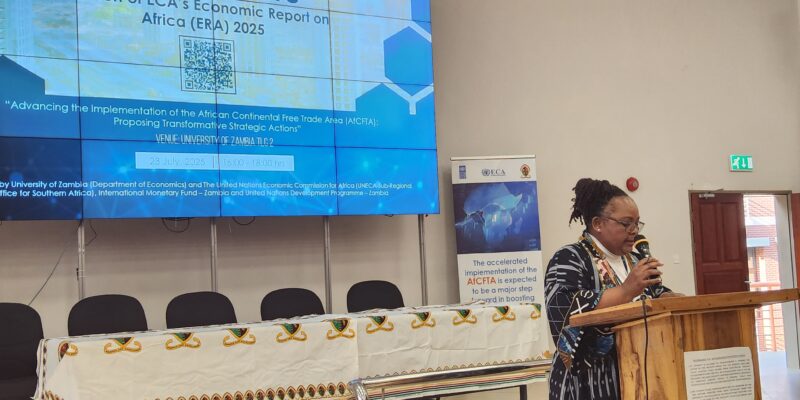
Africa faces an infrastructure financing gap of approximately US$120.83 billion, which is needed to improve transport systems, streamline regulations and customs procedures, and enhance climate resilience, according to a new report by the United Nations Economic Commission for Africa (UNECA).
In its 2025 Economic Report, UNECA stressed the urgency of prioritizing strategic infrastructure investments, comprehensive digitalization, and stronger adaptation to climate change.
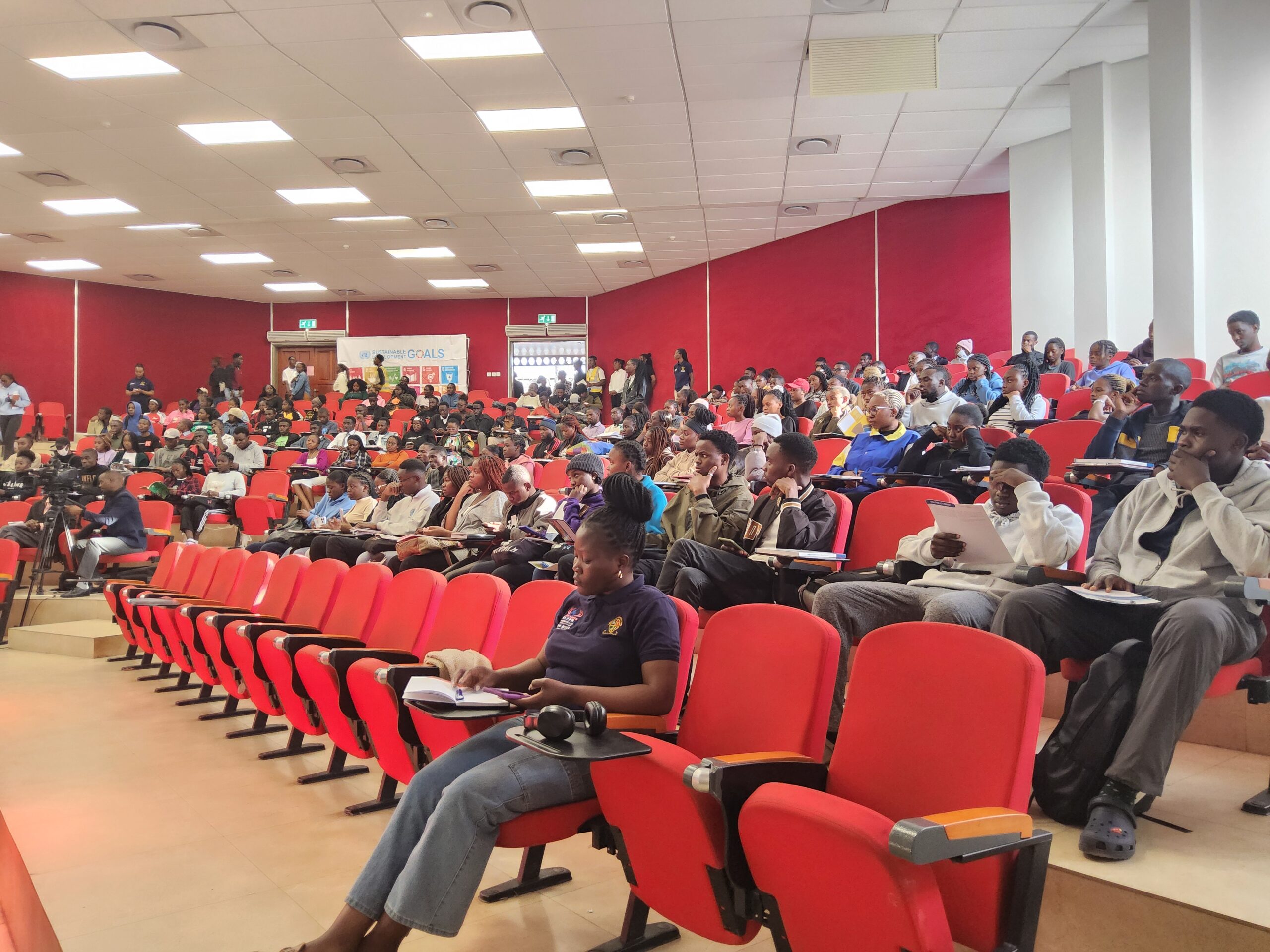
Speaking during a lecture to economics students at the University of Zambia (UNZA) on Wednesday, Zodwa Mabuza, UNECA’s Chief for Sub-regional Initiatives in Southern Africa, warned that Africa’s existing infrastructure, particularly roads, is increasingly threatened by climate change—especially in rapidly urbanizing and coastal areas where rising sea levels and extreme weather events can cause major damage.
She projected that climate-related infrastructure damage could cost the continent up to US$4 billion annually by 2030 if no adaptation measures are taken.
Mabuza emphasized the importance of connecting Africa’s 16 landlocked countries, such as Zambia, to seaports and regional markets to support economic resilience and counter the adverse effects of climate change across Southern Africa.
“The economic consequences of climate change in Africa are particularly severe, threatening to reverse decades of development gains and deepening poverty and inequality,” she said.
She added that droughts, floods, heat waves, heavy rains, and tropical cyclones—occurring with increasing frequency and intensity—were putting Africa’s biodiversity, food security, and livelihoods at risk.
Read More: FQM management reports Kansanshi S3 expansion project nearing completion
The current annual cost of climate-related disasters on the continent is estimated at between US$7 billion and US$15 billion, but that figure could surge to US$50 billion a year by 2030 if mitigation efforts are not strengthened, she said.
“Fluctuations in commodity prices driven by climate shocks can cause economic instability, reduce government revenues, and increase vulnerability,” Mabuza added.
She further warned that climate change threatened Africa’s agriculture sector, which is central to GDP and employment in many countries. The sector’s productivity has already declined by more than 31 percent since the 1960s, largely due to climate shocks.
“In 2022 alone, weather, climate, and water hazards affected over 110 million people across Africa, causing economic losses exceeding US$8.5 billion,” she noted.
Mabuza also underscored the role of digitalization in driving economic transformation. She said digital trade now accounted for 25 percent of global trade, and investments in digital infrastructure, including data centers and internet exchange points, were essential for Africa’s long-term growth.
WARNING! All rights reserved. This material, and other digital content on this website, may not be reproduced, published, broadcast, rewritten or redistributed in whole or in part without prior express permission from ZAMBIA MONITOR.









Comments