
 By
By 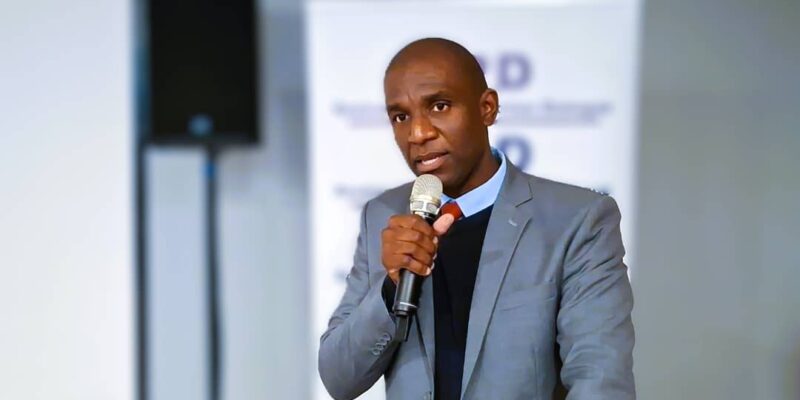
Renowned Zambian environmental law consultant, Professor Chipasha Mulenga, has called for the establishment of a specialised environmental court to address the growing ecological challenges facing the country.
Speaking during a multi-stakeholder dialogue held in Lusaka on Friday, under the European Union-funded Strengthening the Respect of Environmental Rights in Zambia (SR4ERZ) project, Professor Mulenga, who is with Pasher Advisory–Legal Consultant, said the environment sustains life and must be protected for future generations.
He noted that the concept of environmental rights had evolved significantly since the 1960s, and now required more robust enforcement at the national level.
“Zambia has tried to safeguard the environment, but legal gaps persist. Many environmental violations go unnoticed or are not adequately addressed under current judicial frameworks,” he said.
Professor Mulenga stressed that a dedicated environmental court would provide targeted legal remedies and promote accountability.
He warned that the long-term consequences of weak enforcement could pose serious risks to public health and sustainable development.
In a speech delivered on her behalf by Centre for Environment Justice (CEJ) Head of Research and Studies, Freeman Chiwele Mubanga, CEJ Executive Director, Maggie Mwape, echoed the call for a specialised court, highlighting the importance of multi-sectoral efforts in strengthening environmental protection.
Read More: Climate change worsening gender-based violence in Zambia, says Vice President Nalumango
Mwape also commended the collaborative efforts between government institutions and civil society in promoting environmental justice and access to rights.
Similarly, Zambia Institute of Environmental Management (ZIEM) Executive Director, Morgan Katati, underlined that environmental law was a matter of public law and should be broadly understood by citizens.
“Environmental rights are enshrined in the Constitution and must be supported by education and accessible information,” Katati said.
He emphasised that equitable management of natural resources and effective resolution of environmental disputes required inclusive legal frameworks and active public participation.
WARNING! All rights reserved. This material, and other digital content on this website, may not be reproduced, published, broadcast, rewritten or redistributed in whole or in part without prior express permission from ZAMBIA MONITOR.






Comments