
 By
By 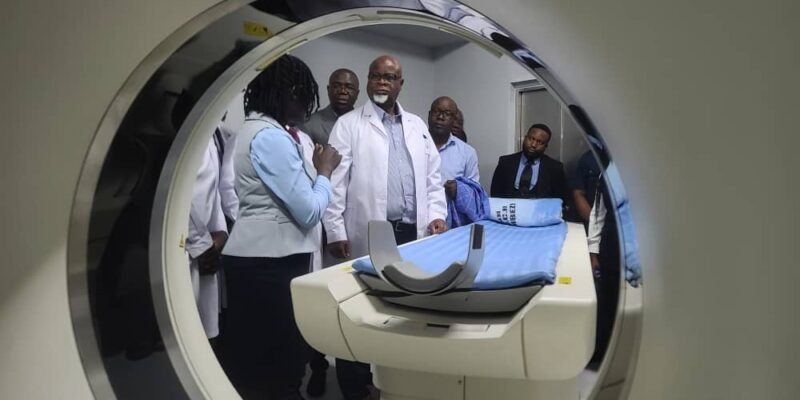
The government has launched seven Computed Tomography (CT) scan machines for public hospitals and one Magnetic Resonance Imaging (MRI) machine for the University Teaching Hospital (UTH), reaffirming its commitment to further investments in the health sector.
Health Minister, Dr. Elijah Muchima, said the deployment of the equipment—initially across four provinces, with the Copperbelt receiving the largest share—marks a significant step toward expanding equitable access to digital diagnostic services.
Speaking during the launch held at Arthur Davison Children’s Hospital in Ndola on Monday, Muchima explained that the equipment was procured by the National Health Insurance Management Authority (NHIMA), and that future phases would ensure all general hospitals benefit.
He assured that the government was working tirelessly to bring healthcare services closer to the people through meaningful investments in infrastructure, medicines, personnel, and digital innovation.
“We will continue to invest in infrastructure, essential medicines, trained personnel, and digital innovation to ensure Zambia becomes a regional leader in healthcare,” Muchima said.
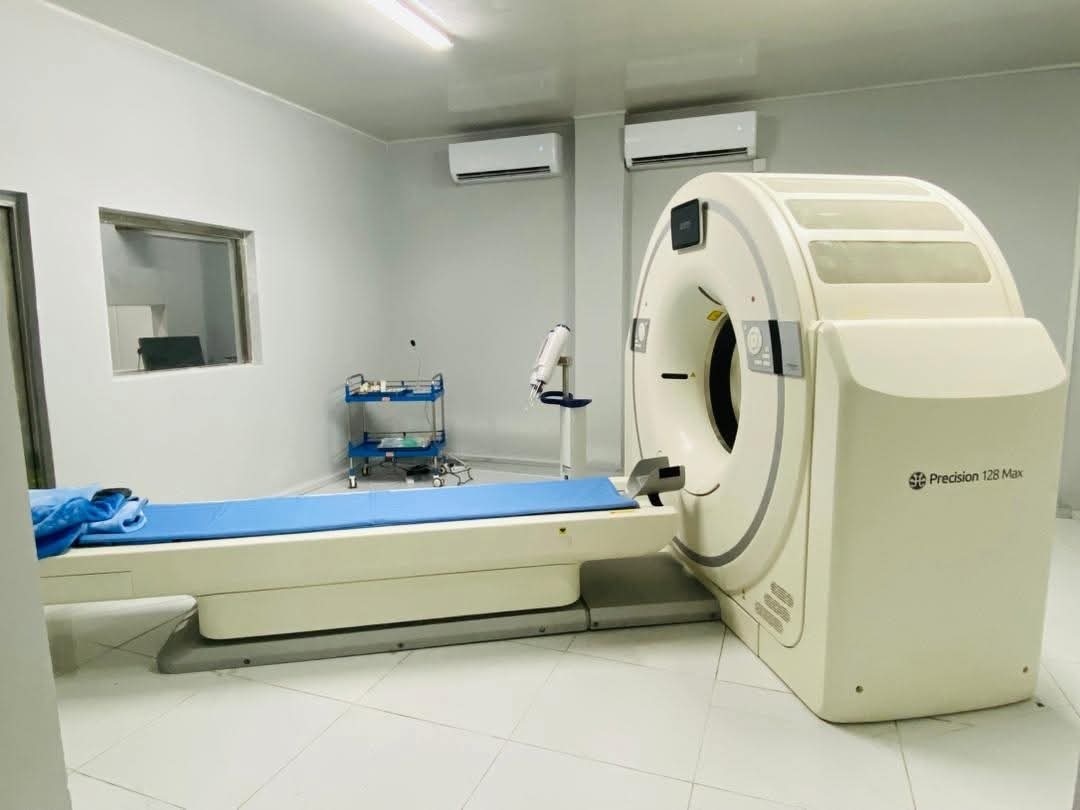
He emphasized that the initiative reflected government’s strong commitment to achieving Universal Health Coverage (UHC), adding that “this is not the end, but just the beginning.”
Muchima noted that for a long time, patients have had to travel long distances and incur high out-of-pocket expenses to access CT and MRI scans—often at private facilities—while delays in diagnosis had in some cases led to tragic outcomes.
“This investment addresses those challenges head-on by bringing services closer to our people, improving health outcomes, and strengthening our healthcare system,” he said.
The minister also noted that the development marked not only a step toward the modernization of public health facilities, but real and tangible progress in the country’s healthcare delivery.
He added that it would also ease the financial burden on NHIMA, which had previously had to cover costly referrals to private diagnostic centers.
WARNING! All rights reserved. This material, and other digital content on this website, may not be reproduced, published, broadcast, rewritten or redistributed in whole or in part without prior express permission from ZAMBIA MONITOR.









Comments