
 By
By 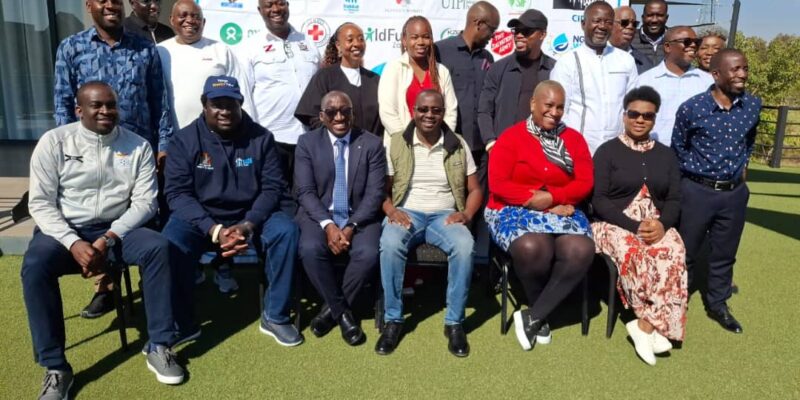
Zambia’s commercial water utilities are carrying a combined debt of over K2 billion as of April 2025, Parliament has heard.
The disclosure was made during a joint meeting between the Parliamentary Caucus on Water, Sanitation and Hygiene (WASH) and the Committee on Energy, Water Development and Tourism, which also featured input from a consortium of 41 NGOs working in the sector.
The NGOs called on government to avert potential donor withdrawal from the WASH sector by addressing the financial sustainability of water utilities, particularly through urgent water tariff reforms.
NGO WASH Forum Coordinator, Bubala Mumba, told the meeting in Lusaka that a recent study commissioned by the group exposed the sector’s deteriorating financial state, especially in relation to commercial performance and the flow of funds.
“Progress depends on collaborative efforts, particularly as funding from international partners, on whom the sector heavily relies, is at risk. Withdrawal of partner support would leave the sector highly vulnerable,” Mumba said.
She called for joint planning between civil society and government, better water quality monitoring, and stronger institutional alignment to build resilience in the sector. Mumba also noted that there was political will to engage on the proposed Water Bill, and expressed hope for productive collaboration with Members of Parliament on legislative reform.
Permanent Secretary in the Ministry of Water Development and Sanitation, Romas Kamanga, said WASH remained a cornerstone of Zambia’s sustainable development, public health, economic stability, and social equity.
“This meeting is a key opportunity for government and civil society to strengthen partnerships, align advocacy efforts, and work towards universal access to safe water and sanitation,” Kamanga said.
He pointed to a memorandum of understanding signed by the National Assembly as a tool for advancing joint efforts, and emphasised the need for multi-partner collaboration and community engagement.
Kamanga also called for open dialogue on progress and bottlenecks in the national WASH agenda and urged that the upcoming legal framework be responsive to the needs of vulnerable and marginalised populations.
Read More: SADC seeks €100 million to drive regional water plan
“The outcomes of this meeting should contribute to Zambia’s national development goals and support the Sustainable Development Goals on water access and conservation,” he added.
Parliamentary WASH Caucus Chairperson, Mutinta Twaambo, commended civil society actors for their advocacy, particularly in defending the rights of communities to safe water and sanitation.
He called for collective accountability in service delivery and urged stronger public trust in the WASH system. Twaambo also stressed the importance of social inclusion, with a focus on women and marginalised groups playing a more active role in shaping WASH policies through gender-sensitive approaches.
WARNING! All rights reserved. This material, and other digital content on this website, may not be reproduced, published, broadcast, rewritten or redistributed in whole or in part without prior express permission from ZAMBIA MONITOR.







Comments