
 By
By 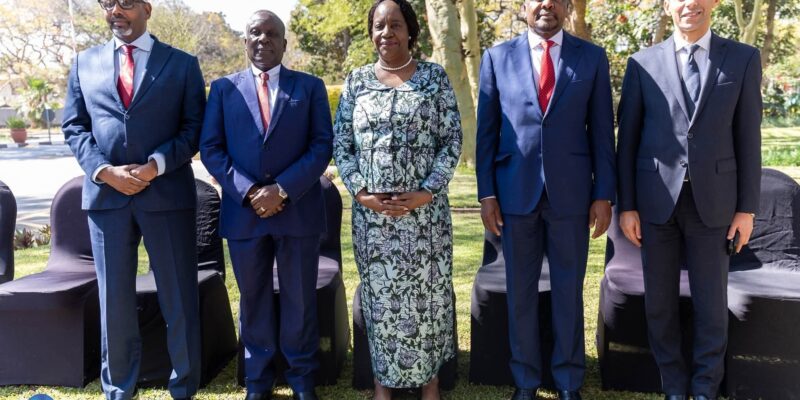
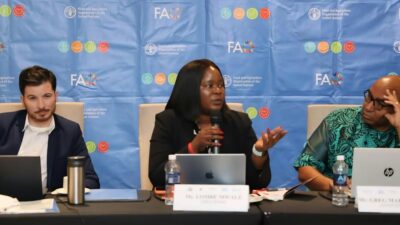
The European Union (EU) has committed €40 million to support agricultural initiatives across Africa, aligned with the African Green Transition Agenda, officials announced during the 9th COMESA Ministerial Meeting on Agriculture in Lusaka.
The funding aims to build institutional capacity, promote low-carbon growth, and balance economic progress with environmental conservation.
EU Head of Delegation, Claudio Bacigalupi, reaffirmed the EU’s support for agricultural transformation in the Common Market for Eastern and Southern Africa (COMESA) region.
He called for innovative, coordinated solutions to tackle biodiversity loss, climate change, and economic challenges.
“Protecting our biodiversity is not just an environmental necessity but also an economic opportunity,” Bacigalupi said, urging stronger partnerships to safeguard natural resources and emphasizing agriculture’s role as an economic lifeline for millions reliant on healthy ecosystems.
Bacigalupi also pledged continued support for Zambia’s enterprise programme, reflecting the shared goal of deepening regional integration and increasing private sector participation.
African Union (AU) Commissioner, Moses Vlakati, praised COMESA for unified stances on food price volatility and youth unemployment. He expressed optimism over progress in domesticating the Kampala Declaration on agriculture.
“We cannot continue spending billions to import food that we can produce locally,” Vlakati said. “Soil health and climate resilience must be priorities, and through leadership and collaboration, we can transform Africa’s agricultural potential into reality,” he added.
Read More: New COMESA seed certification system targets counterfeits, aims to boost regional trade
Zambia’s Minister of Agriculture, Mtolo Phiri, highlighted the region’s favorable climate and youthful population as key assets for boosting productivity. He acknowledged challenges including low yields, trade barriers, and limited investment but stressed these could be overcome with decisive collective action.
“We must leverage agriculture for regional integration through actionable and inclusive value chains, adopting climate-smart agriculture, expanding irrigation, removing trade barriers, and empowering small-scale farmers who form the backbone of the sector,” Phiri said.
COMESA Secretary General, Chileshe Kapwepwe, described the ministerial meeting as a platform to review previous decisions and strategize on developing agriculture and natural resources to drive regional growth.
“Our agenda focuses on trade, investment, and sustainable socio-economic development. We must ensure farmers have access to quality seeds, fertilizers, and tools to withstand climate shocks,” Kapwepwe said.
WARNING! All rights reserved. This material, and other digital content on this website, may not be reproduced, published, broadcast, rewritten or redistributed in whole or in part without prior express permission from ZAMBIA MONITOR.



Comments