
 By
By 
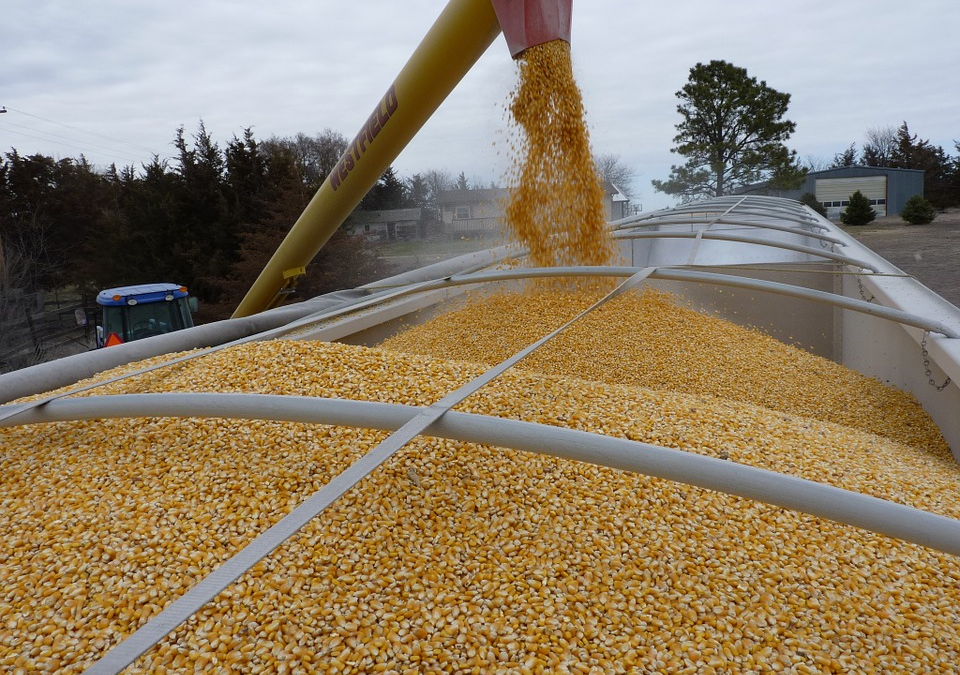
Cabinet has approved the export of 501,620.61 metric tonnes of surplus maize grain and mealie meal to regional markets following a bumper harvest during the 2024/2025 farming season.
Chief Government Spokesperson, Cornelius Mweetwa, said in a statement on Tuesday that the country produced an estimated 3.7 million metric tonnes of maize and carried over 385,000 metric tonnes from the previous season, bringing total available stocks for 2025/2026 to 4.04 million metric tonnes.
National requirements for human consumption, industrial use, and strategic reserves are estimated at 3.5 million metric tonnes annually, leaving a surplus available for export.
Mweetwa said the approved exports include 63,883.61 metric tonnes of maize grain—of which 28,883.61 metric tonnes is early maize—along with 35,000 metric tonnes held by the Grain Traders Association of Zambia and 350,189.6 metric tonnes of mealie meal.
Cabinet stressed that food security remains a priority and that all maize in the National Strategic Reserves must be properly stored.
The Food Reserve Agency has been directed to expedite maize purchases from farmers across the country.
Mweetwa added that Zambian truckers will be prioritised for transporting maize and mealie meal to neighbouring countries.
He said the export programme is expected to inject liquidity into the maize value chain and motivate farmers to increase production towards the national target of 10 million metric tonnes annually.
Meanwhile, Cabinet has approved the declaration of part of the Wonderful Group of Companies’ land in Chilanga District as an Industrial Park.
The US$2.45 billion project is expected to create 9,650 direct jobs—up to 1,000 for chemical engineers—and attract industries to reduce reliance on imported products such as urea fertilizer, glass, and phosphate.
The park will support phosphate mining in Sinda and Petauke Districts to supply raw materials for fertilizer production, ending dependence on imports.
It will also include an 85 MW thermal power plant, with 45 MW supplied to the national grid, and a 40 MW facility for an integrated industrial and agricultural phosphate products factory, of which 15 MW will feed into the grid.
WARNING! All rights reserved. This material, and other digital content on this website, may not be reproduced, published, broadcast, rewritten or redistributed in whole or in part without prior express permission from ZAMBIA MONITOR.












Comments