
 By
By 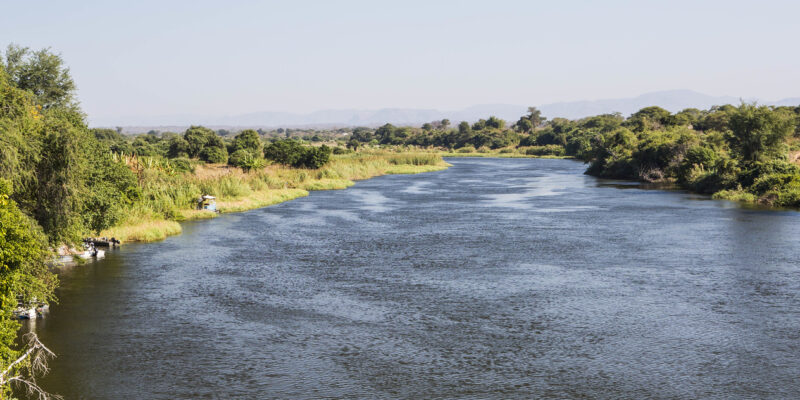
The latest laboratory results on water pollution in Copperbelt Province, linked to Sino Metals Leach Zambia, indicate that pH levels have allegedly returned to normal ranges across all sampled sites in 10 districts.
The water sampling exercise was conducted in Ndola, Luanshya, Masaiti, Mpongwe, Kitwe, Kalulushi, Chambishi, Mufulira, Chililabombwe, and Chingola.
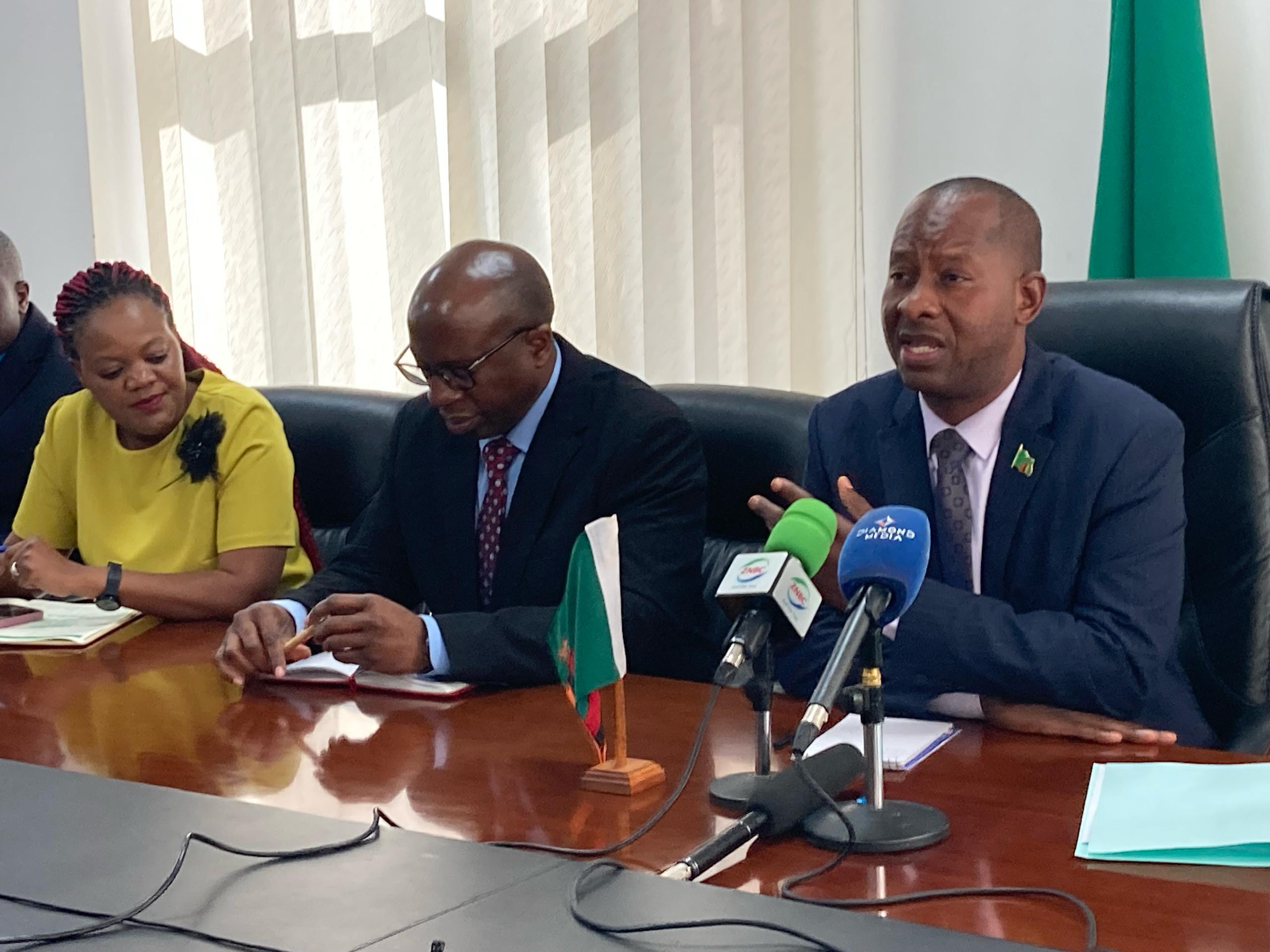
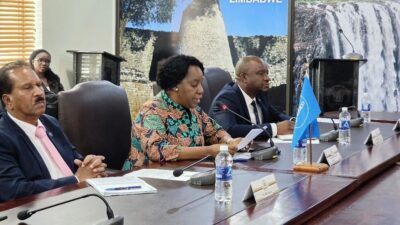
Green Economy and Environment Minister, Mike Mposha, announced the findings during a media briefing in Lusaka on Friday, noting a steady decline in heavy metal concentrations such as cadmium, cobalt, copper, manganese, and zinc in line with the Zambian Standard for Ambient Water Quality.
“These findings strongly indicate that our water resources are slowly beginning to recover from the pollution incident, possibly due to natural processes involving a combination of physical, chemical, and biological factors,” Mposha said.
He clarified that ambient water refers to untreated water found in natural sources such as rivers, streams, springs, and groundwater, stressing that all water supplied by commercial utilities undergoes further treatment to ensure safety for human consumption.
According to the minister, cadmium concentrations at all 23 sampled sites were within permissible limits, representing 100 percent compliance.
For cobalt, however, he said the two sites in the Chambeshi area recorded levels above permissible limits, while the remaining sites complied, reflecting a 91.3 percent compliance rate.
Mposha said copper concentrations were within permissible limits across all sites.
However, four sites around Chambeshi and the Mwambashi River upstream recorded manganese levels above safe thresholds.
Mposha urged stakeholders interested in sampling methods and laboratory analysis to request a detailed report from the ministry.
The findings came after the U.S. government ordered the withdrawal of all its personnel from Kitwe and nearby areas affected by the Sino Metals tailings dam spill.
In a health alert posted on its official Embassy Facebook page on August 6, 2025, Washington cited newly available information pointing to the presence of hazardous and carcinogenic substances—including arsenic, cyanide, uranium, and other heavy metals—a claim the Zambian government has refuted.
WARNING! All rights reserved. This material, and other digital content on this website, may not be reproduced, published, broadcast, rewritten or redistributed in whole or in part without prior express permission from ZAMBIA MONITOR.






Comments