
 By
By 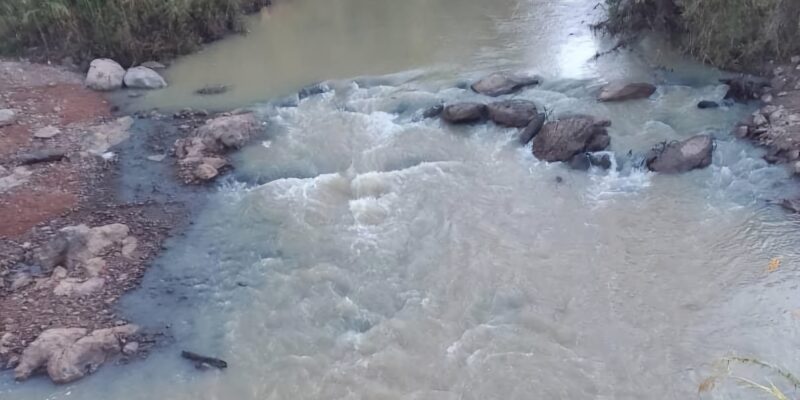
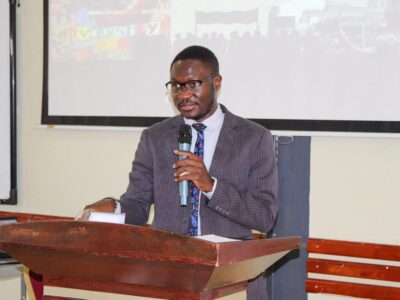
Kanchibiya Constituency Lawmaker, Sunday Chanda, has urged the government to invest in sustainable water infrastructure, including the rehabilitation of contaminated rivers, to restore ecosystems and safeguard biodiversity.
Chanda said this was necessary to complement temporary relief measures, such as the drilling of boreholes in pollution-affected areas like Kanchibiya by the Ministry of Water Development and Sanitation, following recent river contamination caused by mining activities.
In a statement issued on Friday, Chanda emphasized the need to hold polluters accountable and ensure that environmental regulations are enforced without compromise.
He also called for strengthened monitoring systems to prevent future contamination of rivers and streams that serve as lifelines for rural communities.
“The pollution of our rivers must mark a turning point—a commitment to never again allow economic activity to undermine the basic rights of our people to clean water and a healthy environment,” Chanda stated.
He highlighted the importance of collaboration with local communities to promote awareness and resilience against environmental risks.
Chanda called on all concerned ministries, particularly the Ministry of Water Development and Sanitation and the Ministry of Green Economy and Environment, to treat the matter with urgency.
“The people of Kanchibiya and Muchinga at large deserve lasting solutions that protect both their health and their livelihoods. As leaders, we will continue to engage government, regulators, and all stakeholders to ensure that lessons from this unfortunate incident shape stronger environmental safeguards for the future,” he said.
Chanda stressed that access to clean and safe water was a fundamental human right and an essential pillar of public health, education, and sustainable livelihoods.
Following contamination of the Kanchibiya and Lwitikila Rivers due to upstream mining activities, the Department of Water Resources Development had submitted a proposed budget of K1,010,991.35 for the drilling of 12 boreholes across the affected communities.
“This is a timely intervention to provide alternative safe water sources while broader environmental management measures are being pursued,” Chanda said.
WARNING! All rights reserved. This material, and other digital content on this website, may not be reproduced, published, broadcast, rewritten or redistributed in whole or in part without prior express permission from ZAMBIA MONITOR.







Comments