
 By
By 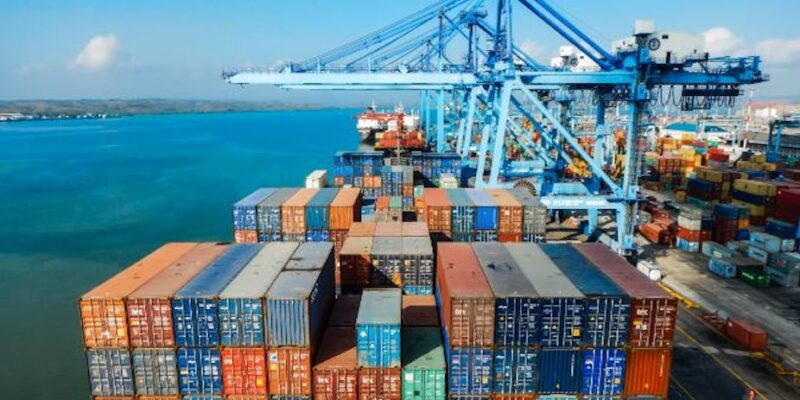
Southern Africa, led by South Africa, has reportedly emerged as the dominant force in intra-African trade, recording US$58.1 billion in exchanges—nearly 30 percent of the continent’s total—despite accounting for just 22 percent of Africa’s population.
According to a market watch report by Access Bank Group, the region’s advantage was driven by advanced infrastructure, such as Durban Port, which handled 2.8 million TEUs annually, and strong industrial capacity.
Southern Africa produces 65 percent of Africa’s vehicles, 40 percent of processed foods, and 35 percent of textiles.
Historical investments, established supply chains, and currency coordination through the Common Monetary Area have also reinforced the region’s leading position.
However, the report warned that this dominance has created dependencies, with countries like Zambia and Botswana relying heavily on South African ports and markets.
Other African regions reportedly continue to lag behind: East Africa generates US$21.4 billion, constrained by instability in Ethiopia and Sudan.
West Africa, despite Nigeria’s size, records only US$18.7 billion due to political and currency challenges.
Central Africa trails at US$12.3 billion, hampered by poor infrastructure and commodity dependence.
“Southern Africa’s dominance raises concerns about unbalanced growth, potentially skewing benefits under the African Continental Free Trade Area (AfCFTA),” the report noted.
Efforts to bridge these gaps include infrastructure investments from the African Development Bank, China’s Belt and Road Initiative, and regional development banks.
WARNING! All rights reserved. This material, and other digital content on this website, may not be reproduced, published, broadcast, rewritten or redistributed in whole or in part without prior express permission from ZAMBIA MONITOR.












Comments