
 By
By 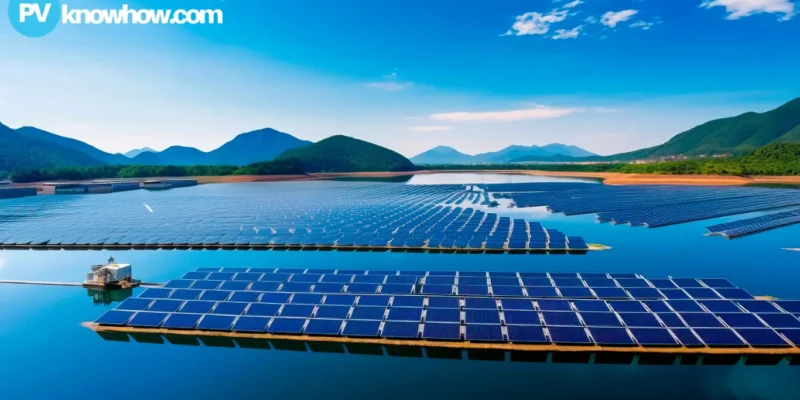
The Zambezi River Authority (ZRA) has announced plans to install at least an initial 2,000 floating solar panels on the Kariba Dam in order to help with the power generation at the struggling Kariba North Power Plant.
The Authority also announced that it has allocated 27 billion cubic metres of water to be shared equally between ZESCO in Zambia and the Zimbabwe Power Company (ZPC) for power generation this year, with each utility receiving 13.5 billion cubic metres.
ZRA Hydrologist, Engineer, Ferry Mwiinga, said this during a panel discussions at the on-going Energy For Africa Conference being held in Lusaka at Mulungushi International Conference Centre under the theme: “Investment Opportunities in the Energy Sector in Zambia and Africa.”
Mwiinga said the floating solar panels would help to increase capacity and improve utilisation of the resulting hydro/ solar system.
“It would also provide a substitute for some fossil-fuelled plants that are due for decommissioning and enable better hydrologic regulation,” he said.
Mwiinga stated thst due to a severe drought, the Zambezi River Authority had reduced the water allocation for hydroelectric power and this had worsened power shortages and causing frequent blackouts nationwide.
He stated that consequently, the two governments, Zambia and Zimbabwe were now compelled to seek alternative energy sources to address the crisis.
“Floating solar panels offer a practical solution to boost energy supply without additional strain on water resources,” Mwiinga said.
He added that this innovative approach maximises space and reduces water evaporation from the reservoir, providing an environmental advantage.
“The ability to generate power has been significantly impacted by lower water levels. Floating solar panels offer a practical way to increase the energy output without putting further stress on our water resources,” Mwiinga said.
WARNING! All rights reserved. This material, and other digital content on this website, may not be reproduced, published, broadcast, rewritten or redistributed in whole or in part without prior express permission from ZAMBIA MONITOR.











Comments