
 By
By 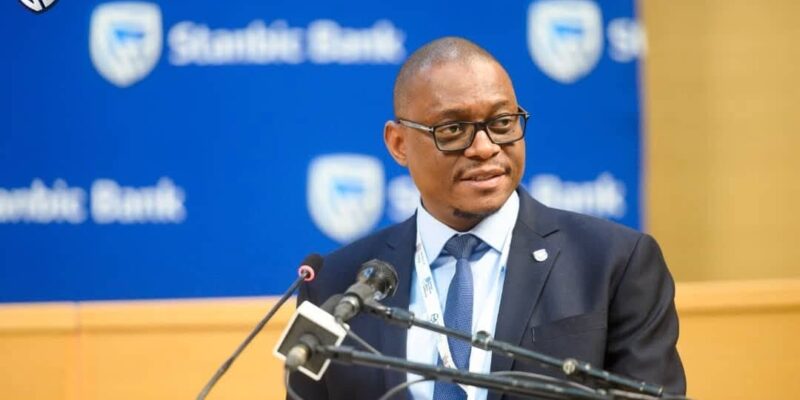
Stanbic Bank has called for a balanced approach to achieving energy security, emphasizing that short-term power imports should go hand-in-hand with sustainable, long-term projects.
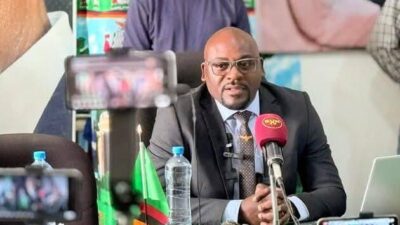
Bank Chief Executive, Mwindwa Siakalima, warned that without a reliable energy supply, Zambia’s industrialization and economic transformation could be significantly constrained.
He was speaking on the side-lines of the 2025 Energy Forum for Africa (EFFA) at the Mulungushi International Conference Centre in Lusaka, Siakalima highlighted the Bank’s support for power importation as one of the immediate interventions following last year’s forum.
He explained that these imports were already easing pressure on the national grid, providing Zambia with crucial breathing space as more sustainable projects come online.
“The importation of power is a necessary step that complements ongoing investments in infrastructure and renewable energy,” he said, noting that Stanbic had extended a US$55.5 million facility to support one of the projects.
Siakalima emphasized that platforms like the EFFA were essential for mobilizing stakeholders to deliver practical energy solutions for countries like Zambia.
Read More: Stanbic credits Zambia’s policy reforms for driving energy investments (video)
He also underlined the importance of short-term power imports in addressing the nation’s energy deficit. “Energy sufficiency underpins growth in strategic sectors such as mining, agriculture, manufacturing, tourism, and financial services,” he said.
As a sponsor of the 2025 EFFA, Stanbic Bank is actively supporting policy dialogue and private-sector participation in energy investment.
Siakalima added that the bank remained open to collaborating with independent power producers, traders, and other players across the regional and local energy ecosystem to bridge the supply gap. “In the interim, these imports are not just a stopgap—they are a critical piece of the puzzle,” he stressed.
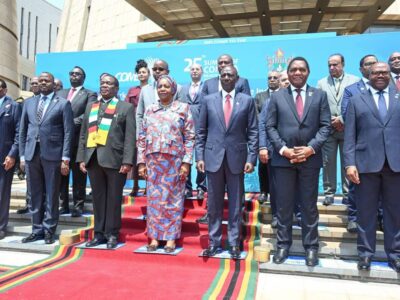
The 2025 Energy Forum for Africa, held under the theme “Investment Opportunities in the Energy Sector in Zambia and Africa,” attracted senior government officials, regional energy ministers, diplomats, and private-sector leaders from across the continent.
WARNING! All rights reserved. This material, and other digital content on this website, may not be reproduced, published, broadcast, rewritten or redistributed in whole or in part without prior express permission from ZAMBIA MONITOR.




Comments