
 By
By 
Finance and National Planning Minister, Situmbeko Musokotwane, on Friday tabled far-reaching tax and duty reforms in the 2026 National Budget, aimed at stimulating local manufacturing, supporting small businesses, attracting energy investment, and promoting climate resilience.
Presenting the measures to Parliament, Musokotwane said the government was committed to strengthening domestic industries through import duty adjustments on selected products.
“Madam Speaker, to stimulate local manufacturing and value addition, I propose to revise the selected goods surtax and customs duty on imported steel products, pasta, processed meat and edible offal, carbon dioxide, flexible PVC pipes, polyester fibre and float glass,” he announced.
To encourage the automotive industry, Government has also removed customs duty on complete knock-down kits for assembling motor vehicles, including tippers, electric vehicles, tricycles, motorcycles, truck trailers, and tractors.
The minister also unveiled significant tax relief measures targeted at micro, small, and medium enterprises (MSMEs).
Read more: Zambia to spend K253.1 billion in 2026. Who got what? See budget breakdown
“Madam, micro, small, and medium enterprises must grow. For this to happen they need our support. I, therefore, propose to increase the tax-exempt threshold for turnover tax and rental income tax to K2,500 from K1,000 per month. I further propose to raise the turnover tax threshold for artisanal and small-scale mining to K5 million from K800,000 and reduce the penalty for late turnover tax payment to 0.5 percent from 5 percent,” he said.
In a bid to address the country’s persistent electricity shortages, Musokotwane announced incentives for energy investors.
“To attract investment in the electricity subsector and improve electricity supply, I propose to provide duty relief for machinery and equipment required for transmission and distribution of electricity and extend to 10 years, from seven years, the period in which a business in hydroelectricity generation can claim a refund on VAT incurred on eligible goods before commercial operations commence,” he explained.
The livestock and dairy sectors also received a major boost with the introduction of higher duties on imported powdered milk, cheese, yoghurt, and long-life milk, while machinery for milk pasteurisation will now be exempt from duty.
“To promote investment and value addition in the livestock and dairy subsectors, we are increasing customs duty on powdered milk imported for resale to 40 percent from 25 percent, harmonising surtax on imported milk, cheese and yoghurt at 10 percent, and extending the 2 percent local content allowance to value addition on milk, raw hides and skins,” he said.
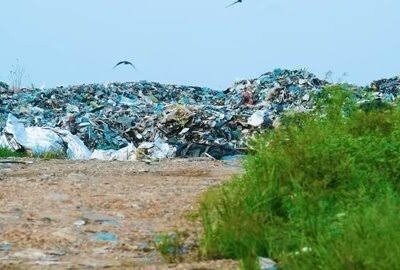
On environmental sustainability, the minister announced tax reforms intended to cut emissions and reduce plastic pollution.
“Madam Speaker, to support climate resilience and reduction of greenhouse gas emissions, I propose to reduce excise duty to 15 percent from 30 percent on selected new hybrid vehicles, change the valuation of duty for used hybrid motor vehicles to specific rates, and increase excise duty to 100 percent from 30 percent on single-use plastics,” he declared.
Musokotwane added that several revenue laws—including the Income Tax Act, Customs and Excise Act, and the Value Added Tax Act—would be amended to strengthen administration and eliminate ambiguities.
If approved, the wide-ranging measures will not only provide relief for small businesses and consumers but also protect local industries, while aligning the country’s fiscal policies with climate goals.
WARNING! All rights reserved. This material, and other digital content on this website, may not be reproduced, published, broadcast, rewritten or redistributed in whole or in part without prior express permission from ZAMBIA MONITOR.




Comments