
 By
By 
Zambia has reportedly raised US $150.2 million through the issuance of green bonds following the development of the Forest Carbon Regulations and Green Bond Guidelines.
The funds have been invested in solar projects in Riverside and Itimpi in Kitwe resulting in the generation of 34 megawatts and 60 megawatts, respectively, according to Finance and National Development Planning Minister Dr Situmbeko Musokotwane.
Musokotwane revealed this during the presentation of the 2026 national budget to Parliament in Lusaka on Friday.
He said over the past four years, government had been promoting sustainable development and environmental protection by enhancing the regulatory framework, advancing green financing and investing in weather and climate services.
The Minister claimed that this had made the country attractive in the global carbon market and is poised to have more off-takers of carbon credits.
“Madam Speaker, Government has also been implementing the Emission Reduction Programme, a mechanism through which participating groups and communities are provided with monetary rewards for conserving natural resources,” he said.
Musokotwane revealed that so far, 56 chiefdoms in Eastern Province were participating in this Programme and further, 359 community forest groups across the country have been designated over 10 million hectares as forest management areas.
He stated that to strengthen the national capacity for climate resilience, the government had installed 250 automatic weather stations and 300 rainfall stations within agricultural camps across the country.
Musokotwane said the facilities transmitted real time data to enable timely and accurate monitoring of weather conditions.
He said as a result, the quality and precision of weather reports and forecasts had been greatly enhanced, thereby providing reliable early warning information.
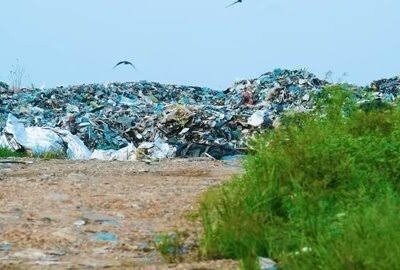
“Madam Speaker, environmental pollution remains one of the most pressing challenges of our time. In particular, the indiscriminate disposal of plastics has become a major source of land and water contamination, threatening ecosystems and human health,” Musokotwane said.
He added that to address this, the government would be announcing fiscal measures to discourage excessive use of plastics so that environmentally friendly alternatives were used.
Musokotwane noted that the unregulated use of mercury and other hazardous chemicals in mining activities poses danger, poisoning rivers, soils, and affecting communities that depend on these resources for survival.
He said the government had intensified measures to curb the use of mercury in mining activities, particularly in artisanal and small-scale operations.
“These measures include strengthening enforcement against illegal mining, promoting mercury-free gold processing technologies, enhancing awareness campaigns on the dangers of mercury to human health and the environment as well as supporting alternative livelihoods for communities dependent on such practices,” the Minister said.
WARNING! All rights reserved. This material, and other digital content on this website, may not be reproduced, published, broadcast, rewritten or redistributed in whole or in part without prior express permission from ZAMBIA MONITOR.








Comments