
 By
By 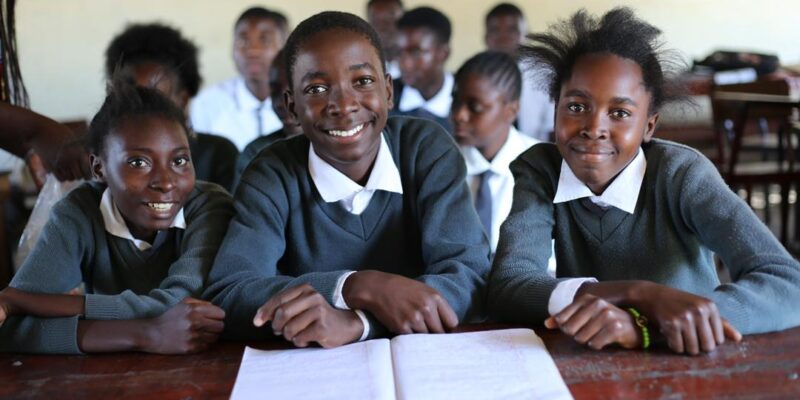
Only 1 in 10 children in Africa and 8 percent in Zambia complete primary education and achieve minimum learning proficiency, according to the new Global Education Monitoring Spotlight Report.
The report, conducted by the African Union, African Centre for School Leadership, and UNESCO, was launched on Wednesday at the ADEA Triennale in Accra, Ghana, revealing that learning levels in Africa are lower than previously thought.
Early Grade Reading Assessment data were released to the public for the first time in 20 years in August 2025. Analysis shows that most Congolese, Nigerian, and Zambian grade 3 students could not read a single word.
The report highlighted persistent wealth and gender gaps, noting that while 92 percent of the richest children in Zambia complete primary education, the figure falls to 39 percent among the poorest.
An accompanying Spotlight Report on Zambia underscores the success of its catch-up programmes aimed at reaching more marginalised children.
The pilot phase commenced in 2016 in Eastern Province with 470 schools.
“It then rolled out to 1,140 schools in the Southern province and by 2020, the number of schools increased to over 1,800 in the Eastern and Southern provinces,” the report noted.
The report further states that the programme has expanded since 2021, covering Luapula, Muchinga, Northern, Western, Lusaka, and North-western provinces. Zambia has also implemented a new learning assessment to identify policy gaps and drive improvement.
The African Union, African Centre for School Leadership, and UNESCO acknowledged Zambia’s pioneering role in improving learning data on the continent.
“In October 2023, at the African Union’s Specialised Technical Committee on Education, Science and Technology, Zambia, with the support of the Gambia, Kenya, Rwanda and Senegal, called for a continental initiative to address the learning data gap,” the report said.
In response, led by the Association for Educational Assessment in Africa and supported by UNESCO, a Continental Assessment Framework was developed to encourage the generation of standardized, comparable data across African countries, aligned with global reporting requirements.
The report also highlights challenges in implementing the new competency-based curriculum, using Zambia and South Africa as examples of how resource gaps and limited teacher training can hinder adoption.
It noted that even with prescriptive guides and strong support, teachers often ask closed comprehension questions and struggle to engage learners effectively.
A policy dashboard launched alongside the Spotlight Report maps policies and practices that support foundational learning, urging countries to strengthen school leaders’ roles in improving outcomes.
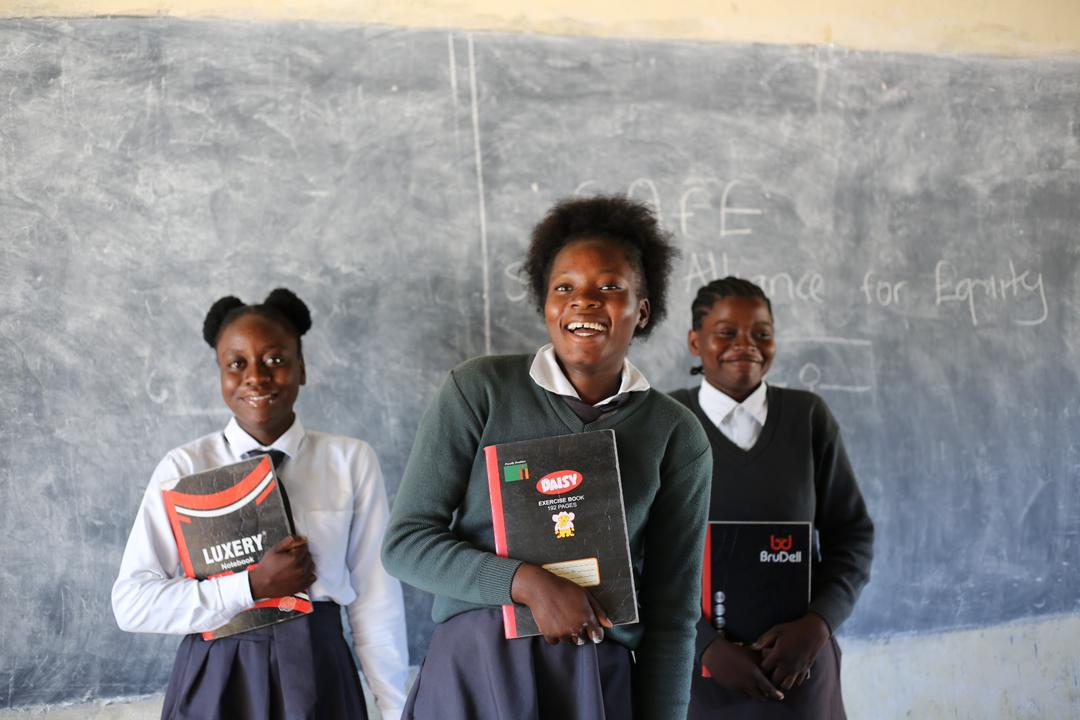
Zambia is among only 11 countries in Africa with a national assessment framework outlining learning objectives.
“It is shown to have a textbook policy in place for primary schools and teacher guides in place for mathematics and reading, which are critical for helping teachers implement curriculum in their classrooms,” the report said.
The country also benefits from a large-scale school feeding programme, supporting children’s learning.
The report recommends that school leaders monitor learning with data, set clear goals, support teachers, and foster collaboration to improve outcomes.
WARNING! All rights reserved. This material, and other digital content on this website, may not be reproduced, published, broadcast, rewritten or redistributed in whole or in part without prior express permission from ZAMBIA MONITOR.









Comments