
 By
By 
Stakeholders have called for strengthened public debt transparency and accountability mechanisms in Zambia to ensure responsible borrowing and sustainable management of the country’s debt portfolio.
This was during a stakeholder engagement meeting themed “Sustainable Debt Management: Strengthening Accountability and Public Participation in Zambia,” held on October 28, 2025, at Protea Hotel in Lusaka.
The forum was organized by CUTS International Lusaka in partnership with the National Democratic Institute (NDI), the National Endowment for Democracy (NED), and the Alliance for Community Action (ACA).
It brought together Members of Parliament, government officials, civil society, researchers, citizens, and the media.
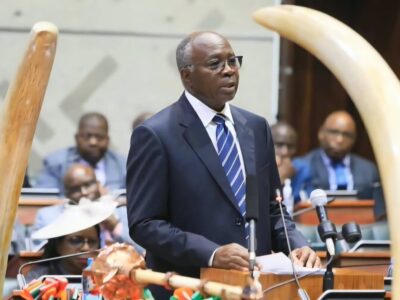
Speaking at the event, Parliamentary Committee on Planning and Budgeting Chairperson, Fred Chaatila, underscored the need for enhanced cooperation among stakeholders in strengthening Zambia’s public debt management framework.
“There is a need for enhanced cooperation among the key stakeholders in research, capacity building and advocacy on sustainable public debt management framework and oversight mechanisms in Zambia,” he said.
Chaatila also emphasized the importance of continued public sensitization on debt acquisition and management to ensure citizens are informed participants in national fiscal decisions.
CUTS consultant, Lavu Phiri, presented an analysis of the Public Debt Management Act, identifying gaps such as limited public involvement in debt strategy formulation, weak institutional independence of the Debt Management Office, and lack of clear accountability structures.
He said these weaknesses heightened the risk of political interference and reduce transparency.
Peter Mumba, a researcher at the Zambia Institute for Policy Analysis and Research (ZIPAR), shared findings from the Debt Transparency Checklist (DTC), which measures Zambia’s alignment with international best practices.
He recommended amendments to the Public Debt Management Act to introduce penalties for non-disclosure, harmonize it with the Audit Act, and mandate the publication of loan contracts within 30 days of signing.
Policy Monitoring and Research Centre (PMRC) Executive Director, Sydney Mwamba, said Parliament must play a more assertive role in debt governance.
He proposed creating a dedicated Public Debt Committee to review borrowing plans and ensure they align with national development priorities.
The discussions also highlighted the role of civil society, media, and parliamentary staff in promoting transparency and holding decision-makers accountable.
The meeting concluded with a shared commitment to push for legal reforms, institutional capacity building, and increased citizen participation in Zambia’s debt management process.
WARNING! All rights reserved. This material, and other digital content on this website, may not be reproduced, published, broadcast, rewritten or redistributed in whole or in part without prior express permission from ZAMBIA MONITOR.







Comments