
 By
By 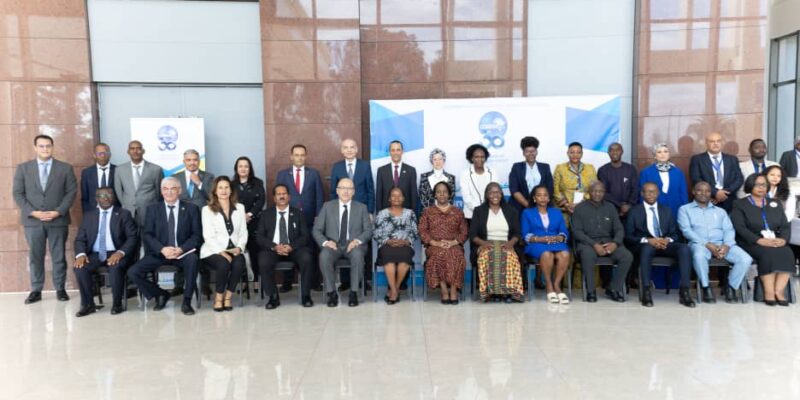
The Common Market for Eastern and Southern Africa (COMESA) has urged member states, including Zambia, to leverage digital technologies to overcome bottlenecks that have historically hampered regional integration.
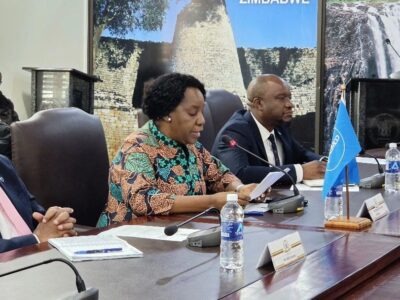
COMESA Secretary-General, Chileshe Kapwepwe, said digital transformation was the bloc’s greatest catalyst for accelerating progress across its projects in multiple sectors.
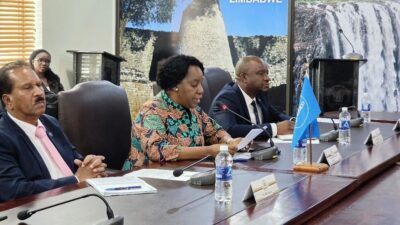
Speaking at the 46th COMESA Intergovernmental Committee Meeting at Mulungushi International Conference Centre on Tuesday, Kapwepwe stressed the importance of effectively managing ongoing projects to achieve their intended objectives.
This year’s summit theme, “Leveraging Digitalization to Deepen Regional Value Chains for Sustainable and Inclusive Growth,” reflects the bloc’s current ambitions and future aspirations, she said.
“Digital technologies offer unprecedented opportunities to overcome bottlenecks associated with regional integration by enhancing productivity, increasing infrastructure connectivity, and accelerating trade,” Kapwepwe said.
She added that digitalization also empowered small and medium-sized enterprises and helped bridge gaps for women, youth, and marginalized communities.
With a combined GDP exceeding US$1 trillion and a population of over 680 million, Kapwepwe said COMESA was well positioned to transform regional trade and investment landscapes through innovative digital solutions.
Highlighting key initiatives, she pointed to the US$2.5 billion COMESA–World Bank Digital Acceleration Programme, launched in 2025, which aimed to connect 180 million people and deliver digital services to at least 100 million by 2030.
“It prioritizes access for women, youth, refugees, businesses, and public institutions, bridging infrastructure gaps and aligning broadband, cloud, smart border, and digital payment strategies,” Kapwepwe said.
Other notable projects include the COMESA Digital Retail Payment Platform, piloted in eight member states, which enables secure cross-border, paperless payments to drive e-commerce, and the Electronic Certificates of Origin, Smart Border Posts, and Virtual Trade Facilitation systems that simplify processes, cut costs, and reduce non-tariff barriers.
Read More: COMESA reviews final year regional statistics strategy, cites key progress
She also highlighted the Africa Cloud Ecosystem project, the first of its kind, designed to deliver affordable and reliable cloud services to key sectors including agriculture, health, and education.
Commerce, Trade and Industry Minister, Chipoka Mulenga, underscored COMESA’s commitment to mitigating the negative impacts of global economic shocks, climate pressures, and conflicts on member states.
“These interventions include modernising trade systems, strengthening self-reliance, empowering small-scale traders, and advancing digital platforms,” Mulenga said.
He noted the importance of addressing financing limitations, capacity gaps, and uneven domestication of regional commitments at national levels. Mulenga called for continuous capacity building for member states to ensure ownership of regional initiatives.
“Stronger visibility and continuous engagement with key stakeholders, especially member states, the private sector, academia, and research institutions, is critical,” he said, adding that clear and accessible information helps increase public awareness and participation, essential for advancing a unified regional integration agenda.
WARNING! All rights reserved. This material, and other digital content on this website, may not be reproduced, published, broadcast, rewritten or redistributed in whole or in part without prior express permission from ZAMBIA MONITOR.







Comments