
 By
By 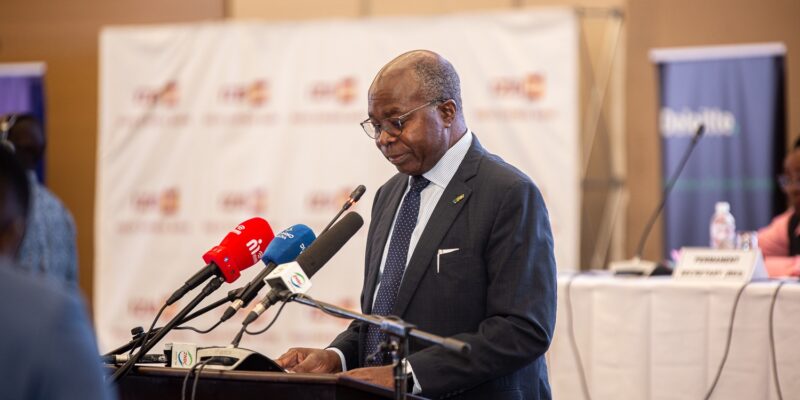
Finance and National Planning Minister, Situmbeko Musokotwane, says Zambia’s recent sovereign credit rating upgrades by S&P Global Ratings and Fitch Ratings are the result of deep structural reforms—not rising global copper prices.
His remarks followed Fitch’s decision to revise Zambia’s Long-Term Foreign-Currency Issuer Default Rating to a stable outlook, and S&P’s move to upgrade the country to CCC+/C, Zambia’s first step out of default territory since 2020.
In a statement, Musokotwane dismissed claims that firmer commodity prices were behind the improved outlook.
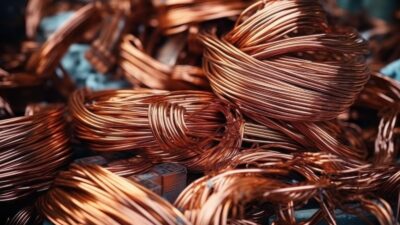
He stressed that the rating agencies “did not upgrade Zambia because copper prices improved. They upgraded Zambia because we repaired the systems that govern how mineral wealth, debt, and public authority interact.”
The Minister said the upgrades signalled a broader shift in Zambia’s economic trajectory, marking a transition from crisis response to long-term institutional rebuilding.
Read more: Credit rating upgrade marks turning point for Zambia’s economy, says Bankers Association
“Zambia’s story today is no longer just about recovery from default. It has become a lesson in how a nation can reset its economic identity—not by chasing quick, unsustainable growth, but by rebuilding the credibility of the institutions that support sustainable growth for generations to come,” he said.
Musokotwane cited improvements in public financial management as a key pillar of the reforms, saying government has moved away from uncontrolled spending and strengthened budget oversight.
“Wasteful expenditure has been cut, budget controls are stronger, and Parliament’s oversight role has been reinforced,” he said.
These reforms, he added, helped address credibility concerns linked to loans contracted between 2015 and 2020.
The Minister pointed to Zambia’s successful external debt restructuring under the G20 Common Framework as a major milestone.
By coordinating bondholders, bilateral creditors and multilateral lenders in a single process, he said, government removed the risk of lawsuits and creditor disputes.
“By restoring order to our repayment structure, we have reopened a credible path back to the global economy,” he said.
Zambia’s foreign exchange reserves have been rebuilt, offering greater protection against external shocks, Musokotwane said, adding that macroeconomic stability was now supported by improved coordination between fiscal and monetary authorities.
“The earlier problem was not only high debt—but the absence of any buffers once investor confidence collapsed. That vulnerability has now been repaired,” he noted.
He stressed that governance reforms—including improvements in procurement, financial intelligence oversight, state-owned enterprise management and anti-leakage measures— were now central to economic policy.
“Donors and investors made it clear that Zambia’s credibility problem was not only about debt ratios, but also about trust in how public resources were managed,” he said.
Policy consistency in the mining sector has also helped rebuild investor confidence, with government prioritising dialogue and long-term planning over conflict and uncertainty, he said.
“This has directly lowered the political risk that previously drove investment away from one of Zambia’s most important productive sectors,” he said.
Musokotwane said the combined reforms have created the conditions for sustained recovery and renewed international confidence in Zambia’s economy.
WARNING! All rights reserved. This material, and other digital content on this website, may not be reproduced, published, broadcast, rewritten or redistributed in whole or in part without prior express permission from ZAMBIA MONITOR.






Comments