
 By
By 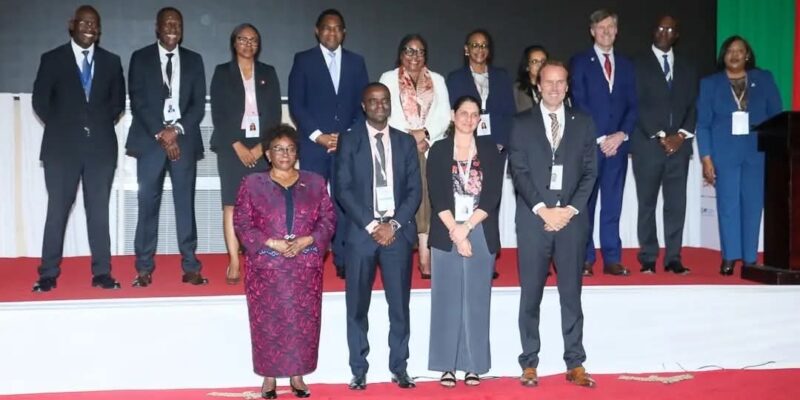
For Dutch sustainability pioneer, Peter Michel Heilmann, Zambia is not a new discovery but a return to a place that helped shape who he is today.
Born in the Netherlands 55 years ago to adventurous researcher parents, Heilmann spent his early childhood years moving across Africa, including Bujumbura, Burundi and Zambia’s Copperbelt.
Those early experiences, he said, laid the foundation for a lifelong connection to land, people and nature.
“The first seven years of your life are your formative years,” Heilmann reflected. “Zambia shaped me and has been of significant influence on the person I am today,” he told Zambia Monitor in an exclusive interview in Lusaka.
His connection to the country dates back nearly five decades. In 1977, at the age of seven, Heilmann met Zambia’s founding president Dr Kenneth Kaunda while living on the Copperbelt, where he was also a member of the Chongololo Club. His father was at the time working on agricultural projects in Mpongwe under Zambia’s Department of Agriculture, supported by Norad, the Norwegian Agency for Development Cooperation.
Now a globally recognised sustainability entrepreneur and regenerative finance advocate, Heilmann has spent nearly six weeks travelling across Zambia, immersing himself in farming communities, meeting farmers and engaging with policymakers and development actors to better understand the country’s agricultural potential and long-term prospects.
He arrived in Zambia on November 5, accompanied by his wife Mieke Heilmann-Boots and their son Ravi. Since then, the family has travelled extensively across the country.
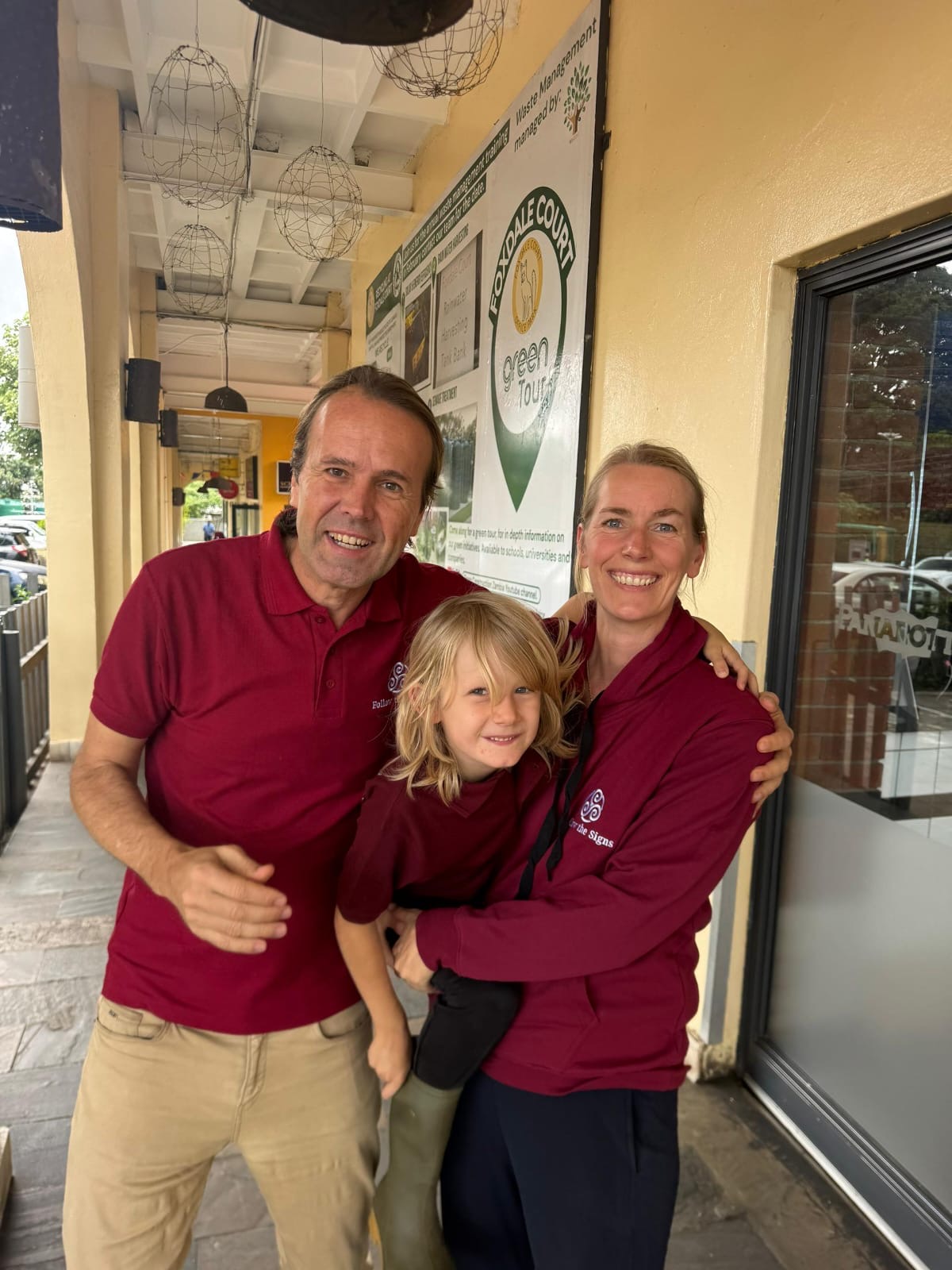
Their journey has taken them through Southern Province (Livingstone, Katambora, Kazungula and Choma), Lusaka and the Kasisi community east of the capital, Central Province (Mkushi and Kabwe), the Copperbelt (Nsobe and Mpongwe), and Western Province, including Silamba-Ngulu in Limulunga District and Mongu.
A deep dive into Zambia’s farming landscape
During his stay, Heilmann toured farms run by small-scale, regenerative, organic and natural farmers, producing what he described as “exceptionally healthy crops with clear visions for the future of farming.”
“What strikes me most is the fertility of the soil and the commitment of the people,” he said. “There is enormous potential here for regenerative agriculture, agroforestry and ecological farming systems that work with nature, not against it,” Heilmann said.
He believes Zambia’s agricultural future lies in farming models that restore soil health, protect biodiversity and improve farmer incomes through value addition and premium markets.
“Real sustainability doesn’t start in boardrooms,” Heilmann said. “It starts in the soil, with farmers who are stewards of the land,” he said.
The 1,000-year vision approach
A defining feature of Heilmann’s work in Zambia has been his promotion of what he calls “1,000-year vision” — a long-term planning approach that encourages farmers and communities to think far beyond short production cycles.
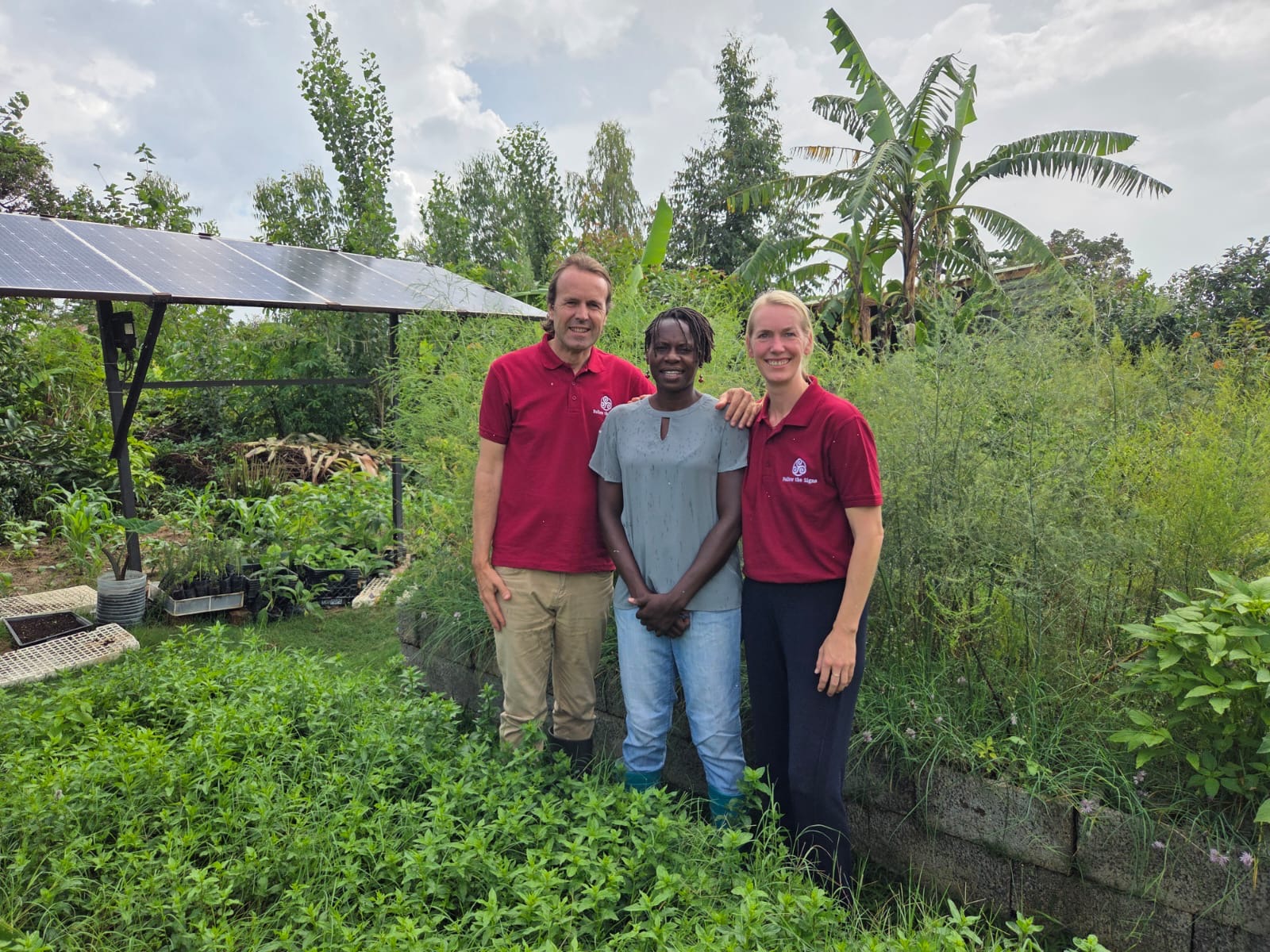
Bujianna Banda, regenerative organic farmer (Back 2 Basic Organics), with Peter Michel and Mieke Heilmann in Lusaka
Working directly with farmers, he facilitates sessions that map out long-term goals for land use, soil regeneration, water management, agroforestry, community wellbeing and inter-generational livelihoods.
“A farm is not just a business; it’s a living system,” he explained. “When you plan for centuries instead of seasons, your decisions change — how you treat the soil, how you plant trees, how you involve your children and community,” Heilmann said.
He said the approach helps farmers align ecology and economy, ensuring land remains productive and communities resilient long into the future.
Youth, training and organic farming
A major highlight of his visit has been engagement with young farmers and trainees.
“Young people here are hungry to learn,” Heilmann observed. “They want practical knowledge — composting, soil microbes, agroecology — things that are often missing from formal education but essential for the future of food,” he said.
Rethinking finance for farmers
Heilmann is particularly critical of conventional agricultural financing models, which he says often trap farmers in cycles of debt.
“High-interest loans drain farmers’ cash flow and limit long-term planning,” he said. “What’s needed are financial systems that allow farmers to think in generations, not just harvests,” Heilmann said.
To address this, he advocates for locally governed community trusts, supported by what he terms ‘Earth Certificates’— perpetual financial instruments designed to generate annual returns without requiring repayment of principal capital.
“These mechanisms can fund agriculture, tree planting, water, energy and education in ways that strengthen communities instead of extracting from them,” he explained.
Recognition and engagement
During his stay in Zambia, Heilmann gave a virtual masterclass about long-term stewardship, finance and the 1000 Year Vision to the 2025 Cohort of Top 50 Farmers, a European community platform recognising and empowering regenerative farmers across Europe.
“I see this as a chance to highlight farmers who are already regenerating soils, producing healthy food and building resilient local economies,” he said.
He also shock hands with President Hakainde Hichilema, whom he met in Lusaka earlier this week, held meetings with Finance Minister Dr Situmbeko Musokotwane, Agriculture Minister Mtolo Phiri, Deputy Secretary to the Cabinet Dr Oliver Kalabo, the Public Private Dialogue Forum Head Andrew Chipwende, development partners and other agricultural stakeholders.
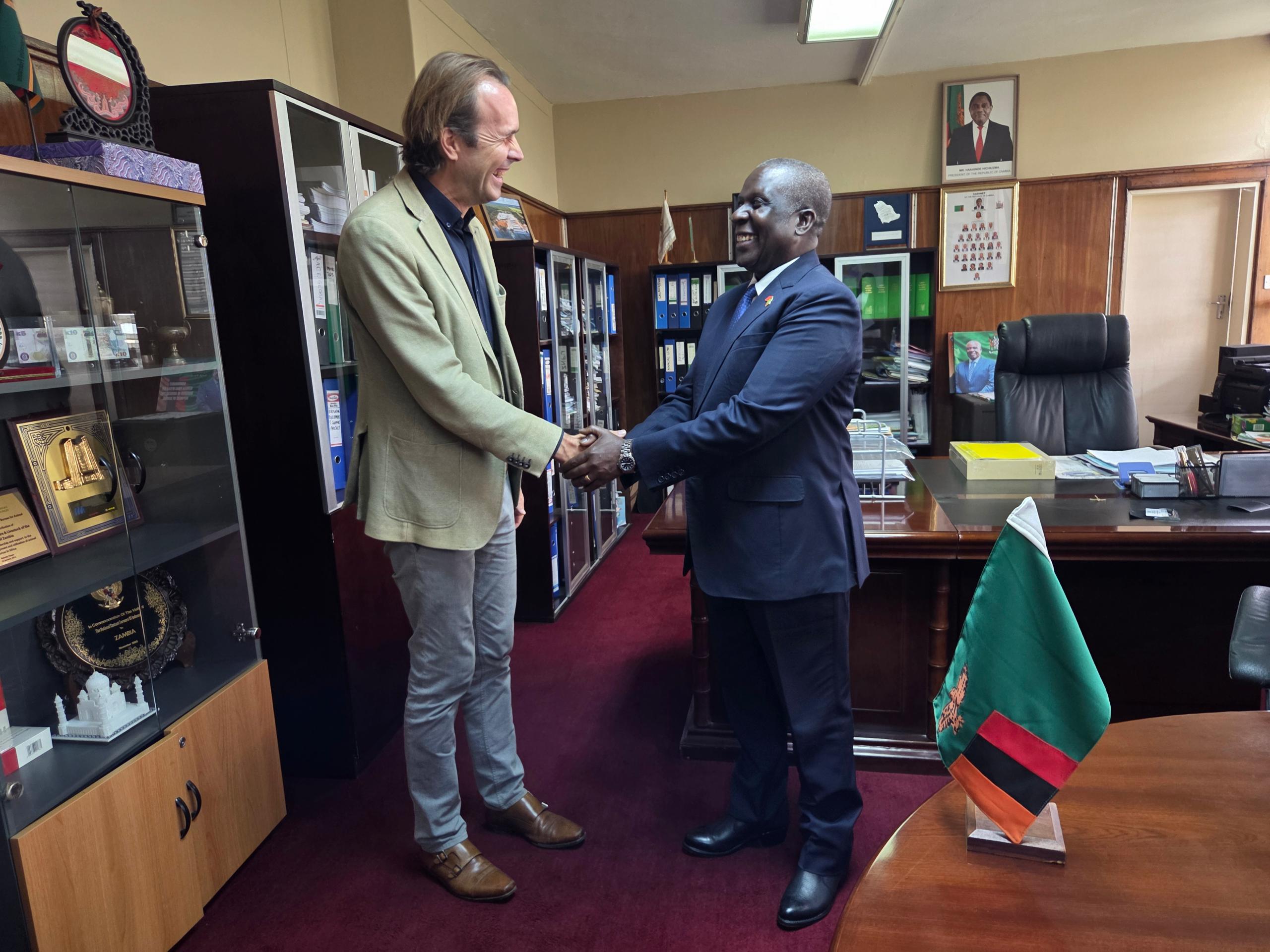
As he prepares to depart Lusaka for Amsterdam, Heilmann says the visit feels less like a conclusion and more like the beginning of a renewed relationship.
“Our intuition tells us we will return,” he said. “Zambia has fertile land, committed farmers and a young generation ready to engage. With the right support systems and long-term thinking, this country can become a leader in regenerative agriculture.”
The author is managing editor for Zambia Monitor
WARNING! All rights reserved. This material, and other digital content on this website, may not be reproduced, published, broadcast, rewritten or redistributed in whole or in part without prior express permission from ZAMBIA MONITOR.





Comments