
 By
By 
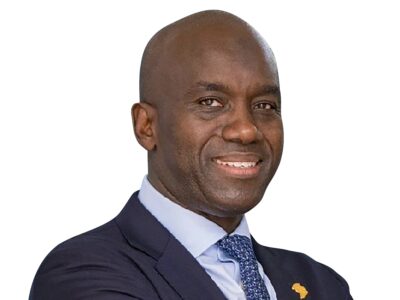
Economist, Lubinda Haabazoka, says Zambia’s biggest challenge in 2026 will be converting recent economic gains into tangible benefits for the private sector and the wider population.
Haabazoka noted that while the country had made measurable progress in stabilising the economy, the real test now resided in safeguarding that stability, lowering the cost of capital and ensuring that growth was inclusive and widely felt.
“The 2026 test will be whether Zambia can protect stability, reduce the cost of capital and turn momentum into broad-based private sector expansion — so growth becomes not just measurable, but widely felt,” Haabazoka said in a statement on Friday.
He noted that by the end of 2025, Zambia had achieved several key milestones signalling a clear path to economic recovery.
Read more: Haabazoka urges Zambia to take advantage of copper boom for lasting economic reforms
These included improved external credibility, reflected in positive movements in credit ratings and continued progress under the International Monetary Fund (IMF) programme, as well as stronger food security following a rebound in maize production.
Haabazoka also highlighted growing momentum in the mining sector as a critical pillar of the country’s economic outlook.
“Large-scale investments in mining have helped restore investor confidence and underscore Zambia’s long-term potential, particularly in capital-intensive industries,” he said.
Beyond macroeconomic indicators, Haabazoka observed that government efforts to channel recovery towards grassroots development marked a notable policy shift.
He said measures such as increased utilisation of the Constituency Development Fund (CDF) and targeted public sector recruitment were deliberate attempts to translate macroeconomic stabilisation into jobs, improve services and economic opportunities at community level.
However, Haabazoka cautioned that sustaining progress would require consistent policy implementation and a business environment that enabled private enterprises to grow and create employment.
“The foundations are being laid, but the next phase must ensure that growth reaches households and enterprises across the country,” he said.
WARNING! All rights reserved. This material, and other digital content on this website, may not be reproduced, published, broadcast, rewritten or redistributed in whole or in part without prior express permission from ZAMBIA MONITOR







Comments