
 By
By 
Zambia’s annual inflation slowed to 7.5 percent in February from 9.4 percent in January, driven by easing prices in both food and non-food categories, Zambia Statistics Agency (ZamStats) Sheila Mudenda said on Wednesday .
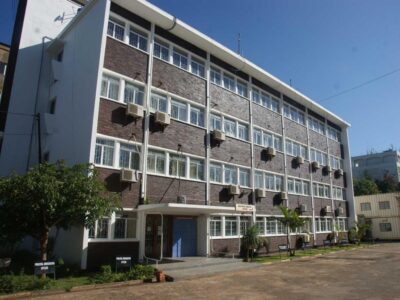
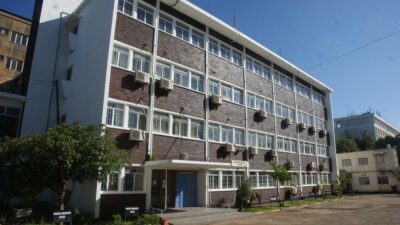
Speaking during a media briefing at their offices in Lusaka, Mudenda said the year-on-year decline reflected moderated price movements between February 2025 and February 2026.
“This means that on average, prices of goods and services increased by 7.5 percent between February 2025 and February 2026,” she said. “This development was attributed to price movements in both food and non-food items,” Mudenda said.
Read more: Zambia reports decline in annual inflation to 9.4%, as trade surplus hits K1 billion
Food inflation fell to 8.2 percent in February from 10.9 percent in January, driven by slower price increases in cereals, fruit, vegetables, fresh milk and cooking oil.
Non-food inflation eased to 6.5 percent from 7.3 percent the previous month, largely due to moderated prices in fuel, passenger air transport, motor vehicles and accommodation services.
Mudenda said food and non-alcoholic beverages contributed 4.9 percentage points to the overall inflation rate, while non-food items accounted for 2.6 percentage points.
She said housing, electricity, gas and other fuels contributed the highest share among non-food components at 0.9 percentage points.
Mudenda said Lusaka Province contributed the largest share to annual inflation at 2.5 percentage points, followed by Copperbelt at 1.4 points. She however, said Luapula and North Western Provinces recorded the lowest contributions at 0.2 points each.
Monthly food inflation remained unchanged at 0.9 percent in February, reflecting price movements in cereals, fish, meat and eggs. Monthly non-food inflation stood at 0.0 percent, an improvement from -0.3 percent in January, indicating stable prices in the category.
Mudenda said total trade for January 2026 amounted to K50.5 billion, down 6.4 percent from K53.9 billion a year earlier.
Exports stood at K27.6 billion, with road transport accounting for 96.9 percent of export value. Export volumes reached 765,900 tonnes, of which road transport carried 81.7 percent.
Imports for January totalled K22.9 billion, with road transport contributing the largest share at 51.9 percent. Import volumes reached 932,100 tonnes, with road accounting for 47.6 percent and other modes making up just over half of the total.
Zambia recorded a trade surplus of K4.7 billion in January, up from K1.0 billion in December, supported by a sharper decline in imports than exports.
Export earnings fell 5.5 percent month-on-month, while imports dropped 18.9 percent, reflecting lower bills for intermediate, capital and consumer goods.
WARNING! All rights reserved. This material, and other digital content on this website, may not be reproduced, published, broadcast, rewritten or redistributed in whole or in part without prior express permission from ZAMBIA MONITOR.









Comments