
 By
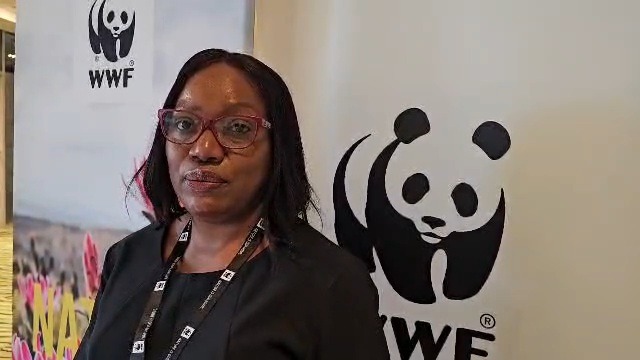
World Wide Fund for Nature (WWF) Zambia has warned that the country’s economic growth ambitions could undermine environmental sustainability if investment in natural resource protection was not strengthened.
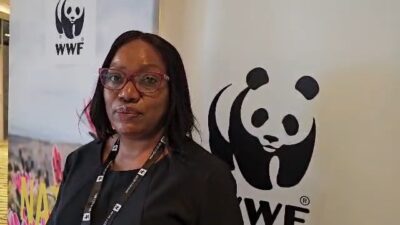
WWF Zambia Country Director, Nalucha Ziba, said the 2027 National Budget had allocated K2.29 billion to environmental protection, representing approximately 0.8 per cent of total Government expenditure.
In a statement issued in Lusaka on Thursday, Ziba said the allocation did not reflect the scale of pressure facing the country’s freshwater resources, biodiversity and natural ecosystems.
She said Zambia’s development ambitions depended on healthy rivers, productive landscapes and thriving wildlife populations, warning that economic growth achieved at the expense of these resources could undermine food production, hydropower generation, industrial development and livelihoods.
“Government’s ambitious plans for a 500,000-hectare irrigation expansion programme, new dam infrastructure and increased agricultural production will significantly increase pressure on freshwater resources,” Ziba said.
She said irrigation schemes, dams and farm blocks needed to be planned around available water resources and environmental flow requirements.
Ziba said WWF Zambia supported the Grow Zambia Agenda and recognised its potential to drive economic development, but stressed that growth needed to be pursued without compromising freshwater resources, biodiversity and natural ecosystems.
Read More: WWF Zambia urges stronger policy frameworks to unlock green investment
She warned that without stronger environmental safeguards, agricultural transformation could come at the expense of the very water systems on which the sector depended.
Ziba also raised concern over proposals to simplify approval processes for large-scale developments, cautioning against weakening environmental safeguards in the pursuit of faster project implementation.
She said major developments, including dams, mines, farm blocks and infrastructure projects, should continue to undergo rigorous environmental assessments.
“We support faster approvals where appropriate, but not weaker safeguards, large-scale projects must continue to undergo rigorous environmental assessment processes,” she said.
Ziba further expressed concern over inadequate funding for environmental oversight institutions, including the Zambia Environmental Management Agency (ZEMA), saying effective regulation was necessary to ensure development did not compromise environmental protection and public health.
“Zambia’s agricultural transformation depends on healthy river systems, protecting water resources today will safeguard food production, hydropower generation, industrial growth and livelihoods for generations to come,” she said.
WARNING! All rights reserved. This material, and other digital content on this website, may not be reproduced, published, broadcast, rewritten or redistributed in whole or in part without prior express permission from ZAMBIA MONITOR.




Comments