
 By
By 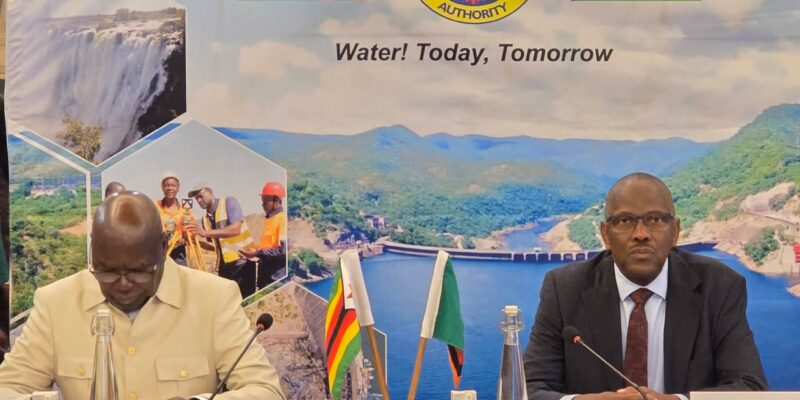
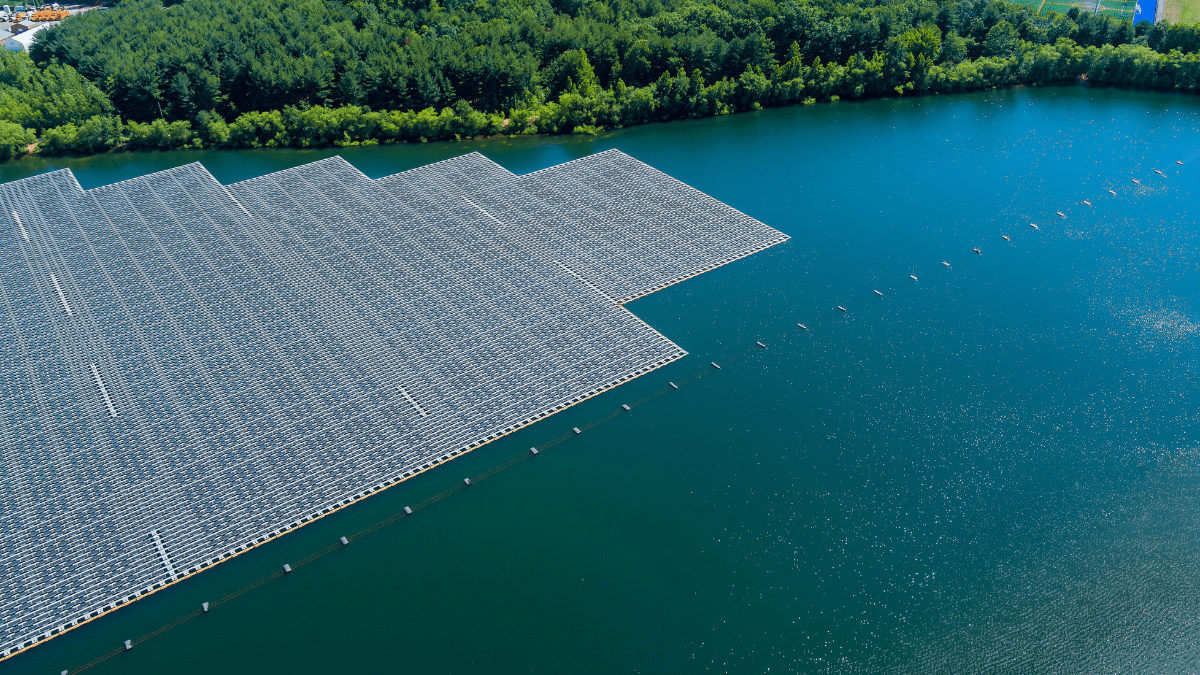
The African Development Bank (AfDB) has allocated US$1 million towards feasibility studies for a Floating Solar Photovoltaic Plant on Lake Kariba.
The Zambezi River Authority (ZRA) plans to install an initial 2,000 floating solar panels on the Kariba Dam to supplement power generation at the struggling Kariba North Power Plant.
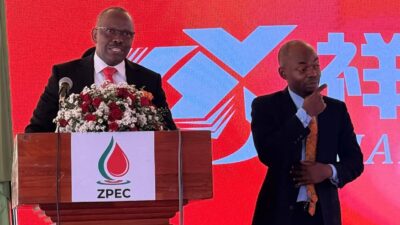
In a statement issued in Lusaka on Monday, Chairperson of the ZRA Council of Ministers, Makozo Chikote, said the project would complement hydropower generation and strengthen energy resilience amid climate variability.
Zambia’s Minister of Energy made the remarks during the 43rd Ordinary Meeting of the ZRA Council of Ministers held at Elephant Hills Resort in Victoria Falls, Zimbabwe, where he also welcomed the AfDB investment.
He reaffirmed Zambia and Zimbabwe’s commitment to strategic power generation and transmission investments aimed at enhancing energy security, resilience and regional integration.
“The two countries are intensifying collaboration on key energy infrastructure projects following climate-induced challenges that adversely affected hydropower generation at the Kariba Complex,” Chikote said.
The Minister identified the Batoka Gorge Hydro-Electric Scheme (2,400MW) as a priority bilateral investment, describing it as a transformative project expected to drive industrialisation, job creation and economic growth in both countries.
He urged the Zambezi River Authority to fast-track implementation by executing project milestones in parallel, in line with directives from the two Heads of State.
Chikote also underscored the importance of regional transmission infrastructure, citing the Zimbabwe–Zambia–Botswana–Namibia (ZIZABONA) Phase I Project, which will provide an alternative power wheeling route between Zambia and Zimbabwe.
“The project is expected to address existing transmission constraints and enhance power trading under the Southern African Power Pool,” the Minister stated.
On infrastructure sustainability, Chikote announced continued progress on the Kariba Dam Rehabilitation Project, with plunge pool reshaping completed in 2024, Spillway Refurbishment Phase I completed in November 2025, and Phase II works currently at 30 percent completion.
He said the rehabilitation programme remained a critical investment to safeguard the long-term structural integrity and operational safety of the Kariba Dam.
Chikote reaffirmed Zambia’s commitment, under the leadership of President Hakainde Hichilema, to deepening bilateral cooperation with Zimbabwe to ensure reliable, affordable and sustainable energy that supports economic growth and regional development.
Incoming Chairperson of the ZRA Council of Ministers and Zimbabwe’s Minister of Energy and Power Development, July Moyo, commended the ZRA for the prudent management of the shared water resource despite challenging hydrological conditions.
“The collective planning and cooperation have been central to addressing energy challenges and sustaining power supply in both countries,” Moyo said.
Zambia has since handed over the Chairpersonship of the Zambezi River Authority Council of Ministers to Zimbabwe.
WARNING! All rights reserved. This material, and other digital content on this website, may not be reproduced, published, broadcast, rewritten or redistributed in whole or in part without prior express permission from ZAMBIA MONITOR.








Comments