
 By
By 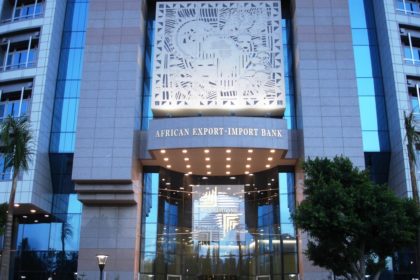
The African Export-Import Bank (Afreximbank) has reported a 19 percent rise in net income for 2025, driven by strong growth in lending and trade finance activities despite a challenging global economic environment.
The Cairo-based lender said net income climbed to US$1.2 billion in the year ended Dec. 31, up from US$973.5 million in 2024, while total assets and contingencies rose 21 percent to US$48.5 billion.
This is according to the abridged audited financial report seen by Zambia Monitor on Thursday.
According to them, the performance underscores the bank’s expanding role in financing trade and industrialisation across Africa and the Caribbean, even as economies grappled with inflation, currency volatility and tighter global financial conditions.
The gross income increased six percent to US$3.5 billion, supported largely by interest income, while net interest income rose to US$1.9 billion, the bank said.
Afreximbank’s loan book grew 16 percent to US$33.5 billion, reflecting increased disbursements to support trade and economic development projects across member states.
“The group expanded the delivery of tailored financial and advisory solutions that supported trade, fostered industrialisation, and enhanced economic self-reliance,” it said in its financial statement.
However, operating expenses rose 25 percent to US$459.2 million, pushing the cost-to-income ratio to 21percent from 18 percent a year earlier, largely due to higher administrative and personnel costs amid global inflationary pressures.
Asset quality remained broadly stable, with the non-performing loan ratio edging up slightly to 2.43 percent from 2.33 percent in 2024, indicating continued resilience in the bank’s portfolio.
The lender maintained a strong capital position, with a capital adequacy ratio of 23 percent, and shareholders’ funds increasing 17 percent to US$8.4 billion following fresh equity injections and retained earnings growth.
Afreximbank said it would pay a dividend of US$347 million, alongside a proposed US$50 million special dividend tied to its concessionary financing window.
Denys Denya of Afreximbank said: “Despite ongoing global geopolitical challenges and the disruptions linked to recent rating actions, the Group delivered strong financial performance in 2025, with total assets and contingencies reaching US$49 billion. The results reflect a decade of significant leadership under Professor Oramah. The Group is ahead on most of its targets under the 6th Strategic Plan, which runs until 31 December 2026.”
He said that: “With recently established subsidiaries such as FEDA and AfrexInsure now profitable, net income rose by 19 percent to US$1.2 billion, supported by a solid capital base of US$8.4 billion. Our balance sheet is at its strongest level to date, with liquidity and capitalisation above target and asset quality remaining sound.”
“These outcomes reflect disciplined execution by the Group’s staff. We have entered the 2026 financial year with strong momentum and are positioned to scale our impact, accelerate trade integration and value addition across Global Africa, and deliver greater value to our shareholders,” he said.
Looking ahead, the bank warned that global conditions would likely remain difficult due to geopolitical tensions, inflation and debt concerns, but said Africa and the Caribbean still present “meaningful growth opportunities” driven by trade integration and infrastructure investment.
WARNING! All rights reserved. This material, and other digital content on this website, may not be reproduced, published, broadcast, rewritten or redistributed in whole or in part without prior express permission from ZAMBIA MONITOR.










Comments