
 By
By 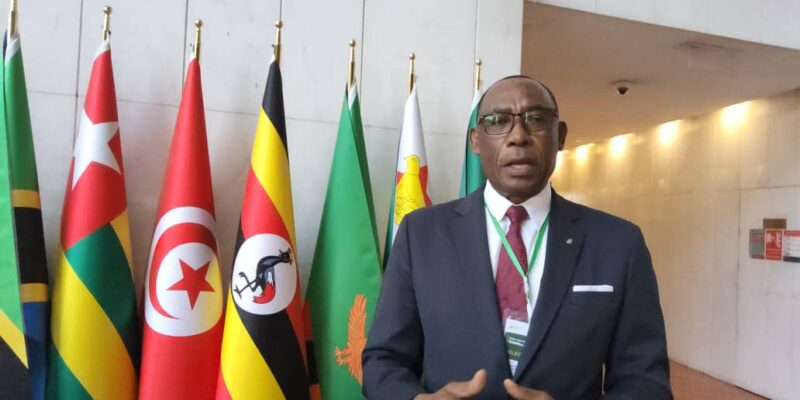
Former Chief Statistician at the United Nations Economic Commission for Africa, Oliver Chinganya, has emphasized the need to invest in data and statistics to measure the impact of energy infrastructure development on production and efficiency.
Chinganya noted that having accurate data was crucial to understanding whether investments in countries like Zambia are yielding the desired outcomes.
Speaking on the sidelines of the inaugural African Energy Efficiency Conference in Addis Ababa, Ethiopia, Chinganya said data would allow policymakers to assess progress, identify areas for improvement, and make informed decisions.
He highlighted key benefits of investing in data and statistics, including improved policymaking, enhanced accountability, better resource allocation, and more effective monitoring and evaluation.
“The issue therefore with what is going on in our countries is the development of energy infrastructure, policies and regulations. The problem we have is that how do we even measure these things that are being put in place in relation to the GDP, as you know the efficiency we are talking about is how are you able to get production with less use of energy, “Chinganya said.
He noted that by prioritizing data and statistics, countries could move beyond mere infrastructure development and focus on achieving tangible outcomes, such as increased energy efficiency, reduced energy poverty, and sustainable economic growth.
Chinganya also highlighted the need for collaboration between Ministries of Energy and national statistics agencies, like the Zambia Statistics Agency (ZamStat).
He said the role of focal point persons in various ministries was important but that most of them lack the necessary training or expertise to collect and analyze data effectively.
“At the moment we have what are being called as focal persons to collect data but they are not statisticians, they are not trained to be able to collect data and therefore it becomes very important that in regularising, in developing standards, developing questionnaires you need to seek partners that have the means to do that,” Chinganya said.
He added that data would help policymakers make informed decisions about energy investments and track progress towards energy efficiency goals.
Chinganya also stressed the importance of having a tracking system in place, which would help countries assess the effectiveness of their energy policies and strategies and make adjustments as needed to achieve their development goals.
WARNING! All rights reserved. This material, and other digital content on this website, may not be reproduced, published, broadcast, rewritten or redistributed in whole or in part without prior express permission from ZAMBIA MONITOR.










Comments