
 By
By 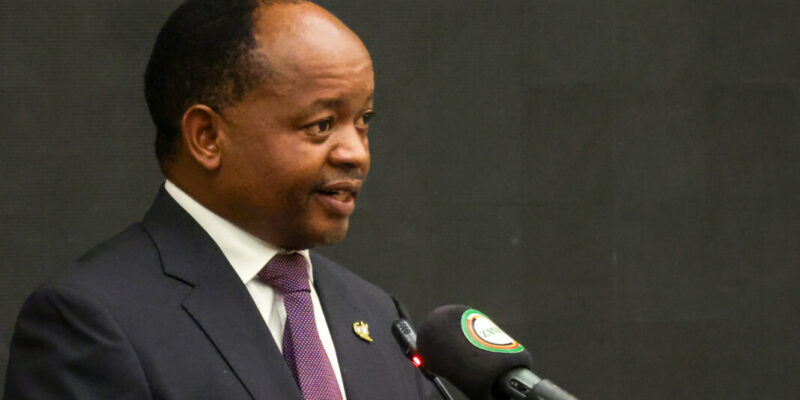
The government’s decision to suspend dialogue with the Oasis Forum has added a new layer of tension to the constitutional reform process, exposing widening differences in how the two sides interpret “genuine engagement” and the expectations surrounding national consensus-building.
The talks, led earlier in the day by Attorney General Mulilo Kabesha, were expected to build on the meeting President Hakainde Hichilema held with the Forum on Friday, 28th November 2025.
That high-level engagement at State House had been framed as a confidence-building step meant to draw civil society into the reform process and demonstrate the administration’s openness to dissenting voices.
Read more: Group urges President Hichilema to uphold commitment on constitution amendment bill 7
But the optimism proved short-lived.
Government officials say the Oasis Forum arrived with a closed position and “unwillingness to engage constructively,” pointing to a letter submitted by the Forum dated 29th November as evidence that the civil society coalition was not prepared to proceed with what State House considers sincere dialogue.
Officials argue that the Forum did not identify specific problematic clauses in the reform proposals nor offer alternative suggestions — a key requirement, they say, for any discussions to move toward consensus.
The suspension underscores a deeper disagreement: whether the reform process should proceed on the government’s timelines and structure, or whether it requires more foundational consultation before substantive dialogue begins.
Government’s stance is that the Technical Committee guiding the process has already conducted extensive outreach across all ten provinces, fulfilling the legal and consultative obligations necessary for reform.
By contrast, the Oasis Forum has insisted that the process risked entrenching mistrust if concerns raised by civil society were not addressed at the outset.
Information Minister Cornelius Mweetwa, announcing the suspension, framed the move as a matter of principle rather than reluctance.
He said government “had no option” but to pause talks until the Forum demonstrates readiness to engage in good faith.
Yet he also stressed that President Hichilema remained committed to inclusive dialogue, insisting that the door remained open for Oasis Forum and other stakeholders to return to the table.
While the government has pledged to continue consulting widely — including with actors who hold views different from those of the Forum — the breakdown in talks highlights the fragile dynamics surrounding constitutional reform.
“President Hichilema remains committed to dialogue as a cornerstone for national unity and development,” he said, adding that the goodwill extended to the Forum “was regrettably not reciprocated.”
He further emphasized that the reform process would continue: “Government will continue to engage other stakeholders and will not allow this development to disrupt the broader national consultation process.”
The process, which is expected to shape long-term governance structures, depends heavily on perceptions of transparency, trust, and fairness.
The suspension may, therefore, amplify questions over whether consensus is achievable without deeper reconciliation of expectations on both sides.
As consultations continue with other groups, the impasse with Oasis Forum stands as a reminder that constitutional reform is as much a political negotiation as it is a legal exercise — and that its success will ultimately depend on whether Zambia’s diverse actors can find a shared path forward.
WARNING! All rights reserved. This material, and other digital content on this website, may not be reproduced, published, broadcast, rewritten or redistributed in whole or in part without prior express permission from ZAMBIA MONITOR.




Comments