
 By
By 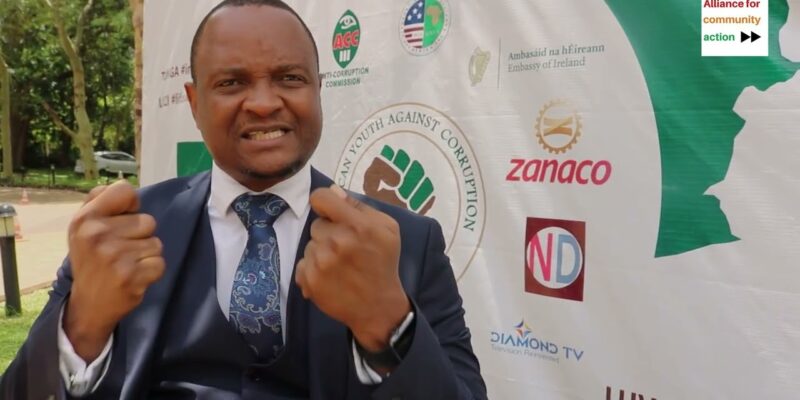
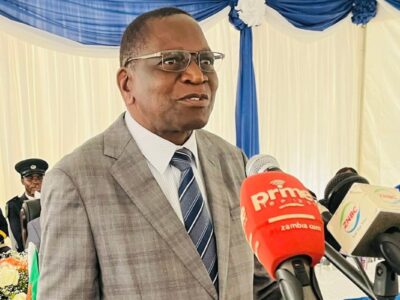
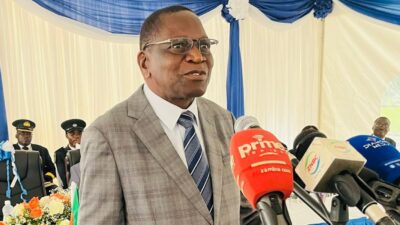
Gilbert Phiri, Director of Public Prosecutions, says prosecutors are guardians of democracy and must ensure electoral offences are handled fairly, swiftly and impartially as the country heads towards the August 2026 general elections.
Phiri said elections were the cornerstone of democratic governance and that their credibility depended on the integrity of institutions, including the criminal justice system.
“Democracy is not sustained by processes alone but by institutions that are anchored in integrity and independence while working in a coordinated manner,” he said.
Phiri said the National Prosecution Authority (NPA) served the people of Zambia by prosecuting criminal offences independently, fairly and consistently.
“Our mandate is not merely legal in nature. It is constitutional, democratic and deeply connected to the people of Zambia. As prosecutors, we act not in our own interest but on behalf of the State and ultimately the citizens,” he said.
He said constitutional independence for prosecutors was both a privilege and a responsibility that demanded the highest levels of integrity.
“Integrity is the cornerstone of prosecutorial authority. Without integrity, independence loses meaning, discretion becomes vulnerable and public confidence erodes,” Phiri said.
He added that prosecutors must ensure their decisions were guided by evidence, public interest and the administration of justice.
Phiri said prosecutors played a critical role in maintaining order during the electoral period.
“The role of a prosecutor is that of a guardian standing on the boundary between order and chaos. As we approach elections, our responsibility is not only to act against criminal conduct but also to prevent it before it takes root,” he said.
Phiri said prosecutors must detect and address electoral offences at an early stage while working closely with law enforcement agencies.
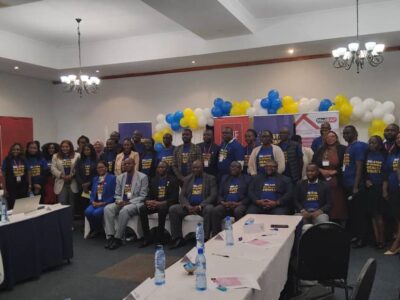
He was speaking in Lusaka during the opening of the three-day Fourth Annual National Prosecutors’ Conference held under the theme “Sentinels of Democracy: Ensuring Inclusivity, Electoral Integrity and the Rule of Law.”
Meanwhile, Mulilo Kabesha, the Attorney General, urged prosecutors to remain vigilant against hate speech and electoral misconduct ahead of the polls.
Kabesha said prosecutors were the “soldiers on guard” responsible for protecting the country’s democratic space during the election period.
“As we head towards general elections, you must guard against violations of our democratic space. Do not drop the ball and do not relax,” he said.
He urged prosecutors to work closely with law enforcement agencies to ensure that cases involving hate speech, incitement to violence and electoral malpractice were prosecuted quickly and fairly.
“Democracy does not end with the right of citizens to vote. It places responsibility on institutions to protect the rule of law, especially during the election period,” he said.
Kabesha also warned that social media was increasingly being used to spread false information and incite hatred.
“Be vigilant. Some people will go on digital platforms spreading lies about their opponents and even posting images suggesting people have died. Such conduct must be addressed,” he said.
He said prosecutors must strike a balance between protecting freedom of expression and preventing the abuse of that freedom to promote hatred, discrimination or violence.
“Your responsibility is not merely procedural. It is a constitutional and moral duty to defend justice and democracy,” Kabesha said.
Mainga Kabika, Gender Division Permanent Secretary, revealed that some women aspiring to contest elections had reported being asked for sexual favours in exchange for adoption by political parties.
Kabika said the practice was unacceptable and undermined women’s participation in politics.
“They are reporting that they have already been asked for sexual favours in exchange for adoption. And this is unacceptable,” she said.
Kabika said the Gender Division had already started receiving reports from female aspiring candidates who alleged that some political party officials, including those holding senior positions, were demanding sexual favours in return for adoption as candidates.
“As the Permanent Secretary in charge of the Gender Division, I have already started receiving reports from female aspiring candidates on how various political party officials, including chairpersons and youth leaders, ask for sexual favours in exchange for adoption,” she said.
She urged women experiencing such abuse to report the incidents and gather evidence to assist investigators.
Read More: Attorney General Kabesha clamours for efficient, fair, responsive criminal justice system
“I have encouraged them to keep records because when they report such cases there is often a challenge of evidence,” she said.
Kabika said violence against women in politics remained one of the major barriers to women’s participation in elections.
She noted that although women constituted more than 53 percent of registered voters during the 2021 general elections, they remained underrepresented in leadership positions.
“Currently, women occupy about 15 percent of seats in the National Assembly, while representation at local government level remains extremely low,” she said.
Kabika said practices such as intimidation, harassment and sexual exploitation discouraged capable women from seeking leadership positions and undermined the integrity of the democratic process.
WARNING! All rights reserved. This material, and other digital content on this website, may not be reproduced, published, broadcast, rewritten or redistributed in whole or in part without prior express permission from ZAMBIA MONITOR.





Comments