
 By
By 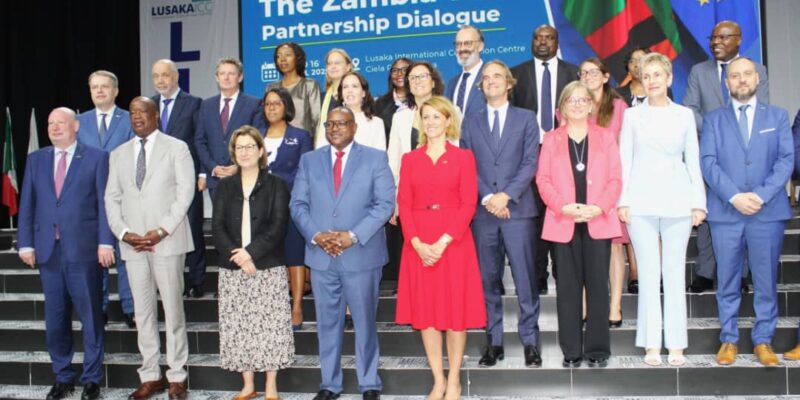
The European Union (EU) has expressed interest in understanding Zambia’s proposed electoral and constitutional reforms, as well as the extent of consultations with key stakeholders ahead of the 2026 general elections.
During the EU–Zambia Partnership Dialogue held Wednesday in Chongwe, EU Managing Director for Sub-Saharan Africa, Rita Laranjinha, said the reforms were of particular interest as part of the EU’s support for Zambia’s democratic governance.
She also commended the Zambian Government for significant governance and legislative strides, such as the abolition of the death penalty, the enactment of the Access to Information Act, and the Children’s Code Act.
“The peaceful transitions of power and the strong mandate given to the current administration reflect the enduring trust Zambians place in democratic institutions,” Laranjinha said.
She noted that anti-corruption laws and governance reforms in key sectors such as mining had been tabled, and that the EU was keen to understand their implementation and how it could offer support.
“While democratic governance and the rule of law remain the foundation of the EU-Zambia partnership, they go hand in hand with economic growth and shared prosperity,” she added.
Laranjinha highlighted the EU’s Global Gateway strategy, which focuses on high-quality infrastructure investments and cooperation in critical raw materials, green transition, and digitalisation—including the transformative Lobito Corridor.
“The Lobito Corridor is more than a transport project—it’s about unlocking the potential of Zambia’s North-Western region, developing cross-border value chains, and strengthening Zambia’s role in the continent’s economic architecture,” she said.
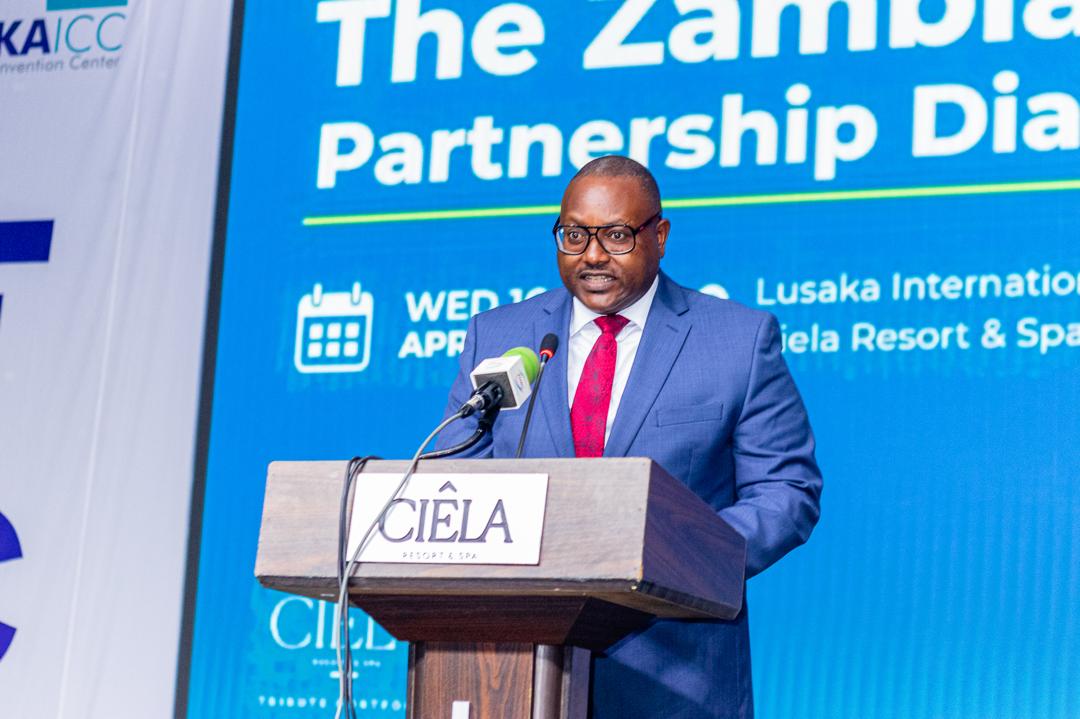
Meanwhile, Minister of Foreign Affairs and International Cooperation, Mulambo Haimbe, reaffirmed the EU’s status as a vital trade and investment partner.
“Through the Everything But Arms (EBA) initiative, Zambian products such as honey, horticultural goods, cotton, and coffee enjoy duty-free, quota-free access to European markets,” he said.
Haimbe also acknowledged EU support in enhancing Zambia’s participation in regional trade blocs like COMESA and SADC, with improvements in trade facilitation and customs harmonisation.
He further noted that under the 11th and 12th European Development Funds (EDF), Zambia received hundreds of millions of euros in grants targeted at priority sectors such as governance, energy, agriculture, health, and education.
WARNING! All rights reserved. This material, and other digital content on this website, may not be reproduced, published, broadcast, rewritten or redistributed in whole or in part without prior express permission from ZAMBIA MONITOR.








Comments