
 By
By 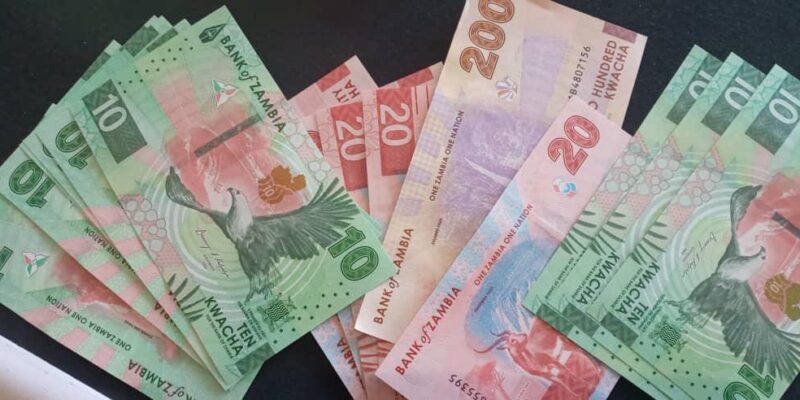
The Zambian kwacha remained under pressure on Monday, sliding for the fourth consecutive session as demand for hard currency continued to outweigh supply.
Bloomberg data showed the kwacha depreciated by 0.59 percent against the United States dollar to close near K23.90.
Market participants cited persistent dollar demand at the start of the week as the key driver.
Access Bank, in its daily market update, noted that the latest decline brought the currency’s month-to-date losses to over one percent, placing the kwacha among the worst-performing African currencies against the dollar in September.
Meanwhile, the dollar itself retreated on Monday, snapping a three-day rally.
Traders weighed hawkish Federal Reserve commentary that stressed caution in cutting rates amid lingering inflationary risks.
Overnight, the greenback remained under pressure in Asian trading as investors awaited remarks from Fed Chair Jerome Powell.
Mixed signals also emerged within the Fed, with Governor Miran calling for sharper rate cuts, adding uncertainty to the outlook.
Global commodity markets added further dynamics, with gold prices hitting record highs on safe-haven demand.
Analysts said the surge bolstered sentiment for commodity-linked currencies, including the South African rand, which traded in tight ranges but benefited from improved terms of trade.
Oil import costs remained stable, supporting the rand’s balance of payments.
The kwacha, however, continues to lag regional peers as supply-side constraints in foreign exchange overshadow broader trends.
WARNING! All rights reserved. This material, and other digital content on this website, may not be reproduced, published, broadcast, rewritten or redistributed in whole or in part without prior express permission from ZAMBIA MONITOR.











Comments