
 By
By 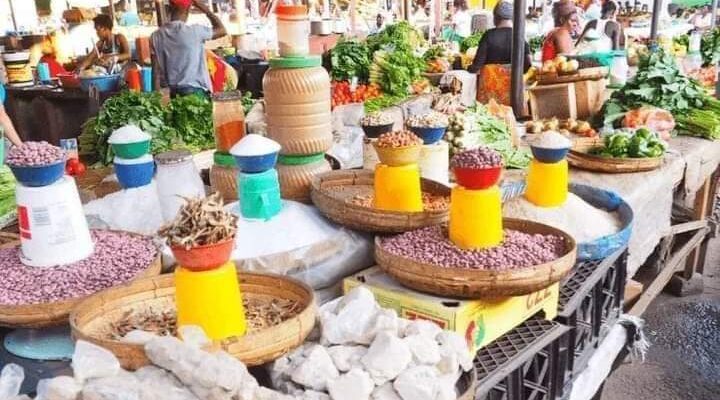
The Jesuit Centre for Theological Reflection (JCTR) says the Basic Needs and Nutrition Basket (BNNB) for a family of five in Lusaka has increased to K11,844.63 in February, up from K11,365.09 recorded in January.
In a statement issued in Lusaka on Thursday, Lukwesa Musonda, JCTR Acting Social and Economic Development Programme Manager, attributed the increase mainly to rising food prices.
The cost of essential food items in the basket rose significantly from K4,604.43 in January to K5,089.75 in February, largely driven by an increase in the price of fruits such as apples and oranges, which rose from K17.14 to K46.44 per kilogram.
Meanwhile, the total cost of essential non-food items slightly declined to K6,754.88, compared to K6,760.67 recorded in January, with prices of most commodities remaining relatively stable, offering little relief to households already facing high food costs.
“The increase in the BNNB reflects not only seasonal price pressures but also deeper structural weaknesses within Zambia’s food system that heighten vulnerability during lean periods and threaten the human dignity of families who struggle daily to meet their most basic needs,” Musonda said.
She explained that February falls within the lean season, a period characterised by reduced household food stocks, limited market supply and higher transport and distribution costs.
Musonda said these seasonal dynamics typically push up prices of fresh produce and protein-rich foods, while also exposing structural challenges such as limited irrigation coverage, inadequate storage infrastructure, high post-harvest losses and reliance on rain-fed agriculture.
“Although a few items such as cooking oil, onions, and tomatoes recorded marginal price reductions, these decreases were insufficient to offset the broader increases across essential food items,” she said.
Musonda noted that rising food prices had direct implications for household welfare and nutrition, particularly among low-income families that allocate a large share of their income to food.
She warned that as prices of staple and protein-rich foods increase, households may reduce meal frequency, switch to less nutritious foods or cut spending on essential services such as education, health and transport.
Musonda said such coping strategies often reduce dietary diversity and increase the risk of micronutrient deficiencies, especially among children and women.
Read More: IMF cuts Zambia’s 2025 growth forecast to 4.5% amid mining, energy challenges
The JCTR said the rise in essential food costs highlighted the need to address structural supply constraints in the country’s food system.
“Therefore, it is worth noting that while programs such as the Farmer Input Support Programme (FISP) remain crucial for input access, they must be complemented by long-term structural investments that promote sustainable agriculture and household resilience,” she said.
Musonda emphasised that addressing supply bottlenecks, promoting climate-smart agriculture and strengthening food value chains weren’t key steps toward building a society where citizens can enjoy improved livelihoods.
She added that complementary investments in irrigation, storage, mechanisation and extension services were necessary to reduce seasonal shortages.
“Encouraging crop diversification beyond maize particularly legumes, and horticulture can stabilize protein and vegetable prices,” Musonda stated.
She said such measures would support long-term productivity growth, reduce vulnerability during the lean season and ensure that human dignity and the welfare of the poor remain central to Zambia’s development agenda.
Musonda further noted that as the country worked toward macroeconomic stability, policy interventions must translate into tangible improvements in the daily lives of ordinary families.
“During this Lenten season, we are reminded that renewal is possible when compassion informs policy, justice shapes national priorities, and every citizen is afforded the opportunity to live with dignity and fullness of life,” she said.
WARNING! All rights reserved. This material, and other digital content on this website, may not be reproduced, published, broadcast, rewritten or redistributed in whole or in part without prior express permission from ZAMBIA MONITOR.









Comments