
 By
By 
Former African Development Bank (AfDB) Vice President, Professor Steve Mugerwa, has stressed the importance of improved financial planning for infrastructure maintenance and the role of higher education in driving innovation and economic progress.
Speaking in Lusaka when he delivered a keynote address titled “Africa Looking Ahead: National Visions, Binding Constraints and Structural Transformation – Essay in Honour of Professor Manenga Ndulo”, Mugerwa said Africa’s vast development needs—estimated at around US$1 trillion annually—combined with limited domestic financing, demand substantial investment and innovative funding mechanisms.
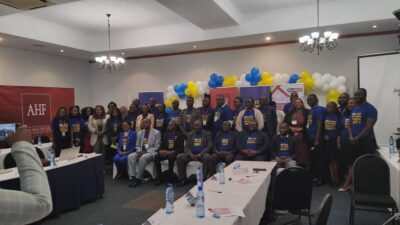
The lecture was delivered during the Conference on Economic Development hosted by the Southern African Institute for Policy and Research under the theme “Honouring a Laureate of African Economics, Professor Manenga Ndulo.”
On structural transformation, Mugerwa noted that Africa’s manufacturing sector’s share of value added had stagnated for decades, while services, though expanding, have not been sufficient to fully drive economic transformation.
“African countries have agency, and their success depends on internal impetus rather than external forces,” he said.
He urged Zambia to leverage its rare minerals—including those used in electric vehicles—to advance economic growth, describing the shared mineral discoveries between Zambia and the Democratic Republic of Congo as a “landmark for economic turnaround.”
Mugerwa emphasised that national visions must go beyond rhetoric, with effective implementation being key to impact.
He highlighted the need for agricultural recovery, diversification, and infrastructure development to strengthen Africa’s economic foundations.
Read More: Africa faces $120 billion infrastructure gap amid rising climate threat, UNECA says
“African countries like Zambia are still facing challenges such as infrastructure deficits, corruption, financial management issues, and technical skill shortages,” he said.
He underscored the importance of government in enabling private sector growth, which he described as critical for structural transformation and job creation.
While acknowledging the complexity of Africa’s development challenges, Mugerwa pointed to the continent’s opportunities, including its youthful population, rich natural resources, and emerging value chains.
“There is need for African countries to invest in research, innovation, governance reform, skills development, and regional cooperation to unlock the continent’s potential and structural transformation,” he emphasized.
The conference further explored Africa’s industrial policy, regional integration, urban-rural housing disparities, and the role of higher education and private sector participation in sustaining economic development.
WARNING! All rights reserved. This material, and other digital content on this website, may not be reproduced, published, broadcast, rewritten or redistributed in whole or in part without prior express permission from ZAMBIA MONITOR.









Comments