
 By
By 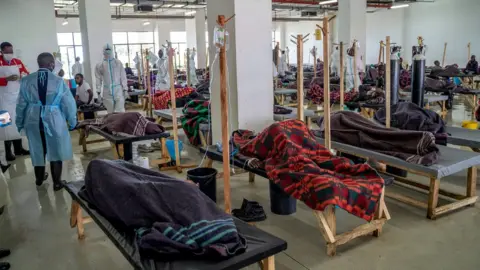
The Zambia National Public Health Institute (ZNPHI) says nine people have died from cholera since the outbreak began in August 2025, while 616 patients have so far been successfully treated and discharged.
In its Daily National Cholera Surveillance Update issued on Wednesday, the institute confirmed two new cases in Lusaka District within the last 24 hours, bringing the city’s cumulative total to 20 and the national tally to 625. ZNPHI further disclosed that no patients were currently admitted for treatment.
According to the update, Mpulungu remains the most affected district with 316 cases, followed by Nsama with 161. Other recorded cases include Monze with 43, Masaiti 28, Lusaka 20, Mbala 18, Mpika 8, Kitwe 7, Senga Hill 5, Chilanga 5, Solwezi 3, Chongwe 3, Kasempa 2, Kabwe 2, Ndola 2, Gwembe 1 and Kaputa 1.
ZNPHI warned that ongoing heavy rains and rising flood risks may worsen the situation, noting that flooding typically contaminates water sources, damages sanitation systems and displaces communities, conditions that increase the spread of waterborne diseases such as cholera.
“These conditions create an environment conducive to the spread of waterborne diseases such as cholera, particularly in densely populated and low-lying areas,” the institute said.
It noted that overflowing pit latrines, inundated households and compromised water supply systems pose a major threat to public health, calling for heightened vigilance among both authorities and communities.
Read More: Cholera outbreak reported in Chilanga, Council begins sensitization of populace
The public has been urged to avoid drinking untreated water, to boil or chlorinate water before use, practise regular handwashing with soap and safe water, and minimise contact with floodwater.
It also advised people to properly dispose of waste, ensure latrines remain protected from flooding and seek immediate medical help if they experience watery diarrhoea or vomiting.
ZNPHI stated that, working with the Ministry of Health, local authorities and cooperating partners, it has intensified disease surveillance, case investigations and community sensitisation campaigns in affected and high-risk areas.
It further stated that efforts were also underway to strengthen water-quality monitoring and enhance risk communication, particularly in flood-prone communities.
“We will continue to closely monitor the situation and provide timely updates to the public,” the institute said.
WARNING! All rights reserved. This material, and other digital content on this website, may not be reproduced, published, broadcast, rewritten or redistributed in whole or in part without prior express permission from ZAMBIA MONITOR.







Comments