
 By
By 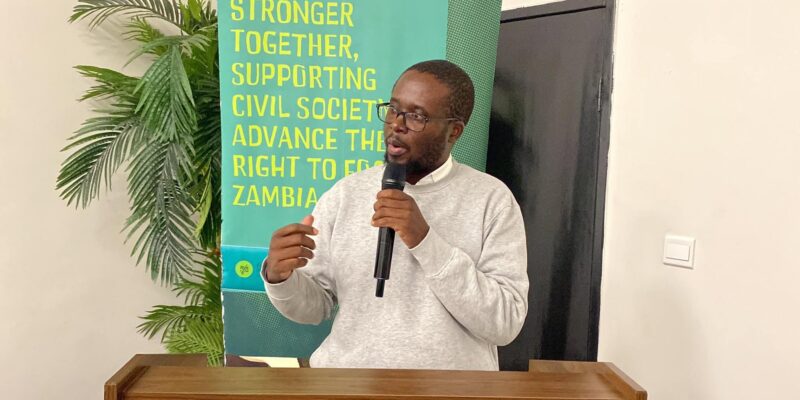
A new FIAN Zambia report has revealed that the 2023–2024 drought caused grave violations of the Right to Food and Nutrition and other fundamental rights for rural communities in Nyimba District of Eastern Province.
Between December 2023 and March 2024, FIAN Zambia documented the experiences of 700 households across 21 villages in Nyalungwe Chiefdom, one of the areas hardest hit by the national disaster.
The findings show widespread hunger, loss of livelihoods, acute water shortages and a sharp deterioration in living conditions.
According to the report released on Thursday in Lusaka, the drought destroyed crops across roughly 700 hectares, leaving most families surviving on only one meal a day.
“With the failure of wild fruits and forest foods, households had no fallback food sources. Rising food prices and limited access to subsidized maize meal intensified the crisis,” it said.
The report further revealed that wells dried up, forcing women and children to walk long distances or draw water from unsafe open sources such as the Luangwa River. This resulted in many children missing school due to long queues for water.
It noted that smallholder farmers in Nyimba lost an estimated K4 million worth of crops, seeds and inputs. Families resorted to selling livestock and household assets to survive, undermining long-term recovery and deepening poverty.
In the report, FIAN Zambia Country Coordinator Vladimir Chilinya said hunger and water scarcity kept many children out of school, while others struggled to learn due to chronic fatigue and poor nutrition.
“FIAN Zambia warns that the situation constitutes serious violations of human rights and undermines Zambia’s obligations under international and national law, including the International Covenant on Economic, Social and Cultural Rights,” he said.
Chilinya highlighted the rights affected, which include the Right to Food and Nutrition, Right to Water, Right to Seed, Right to Decent Work and Right to Education.
FIAN Zambia stressed that policy gaps—including weak early warning systems, dependence on maize, and limited crop diversity in national programmes such as the Farmer Input Support Programme (FISP)—worsened the crisis.
“FIAN Zambia is urging the Government of Zambia and the international community to take immediate, coordinated action to ensure that impact of such calamities in future are mitigated,” Chilinya said.
He outlined several recommendations, including fast-tracking access to the Loss and Damage Fund for climate disaster-hit countries and ensuring climate finance is provided as grants rather than loans.
Additional recommendations include supporting Zambia’s transition to climate-resilient crops, agroecology and diversified farming; strengthening early warning systems; and investing in irrigation and water harvesting.
“Reforming FISP and the Food Reserve Agency (FRA) to promote crop diversification and resilience. Mobilizing maximum domestic resources to address loss and damage,” Chilinya recommended.
He urged Global North countries to honour their climate debt and reduce emissions, stating that “Climate crisis is not just an environmental crisis, it is a human rights crisis.”
FIAN Zambia warned that without urgent action, thousands of rural households will continue facing hunger, extreme poverty and worsening vulnerabilities linked to climate change.
WARNING! All rights reserved. This material, and other digital content on this website, may not be reproduced, published, broadcast, rewritten or redistributed in whole or in part without prior express permission from ZAMBIA MONITOR.










Comments