
 By
By 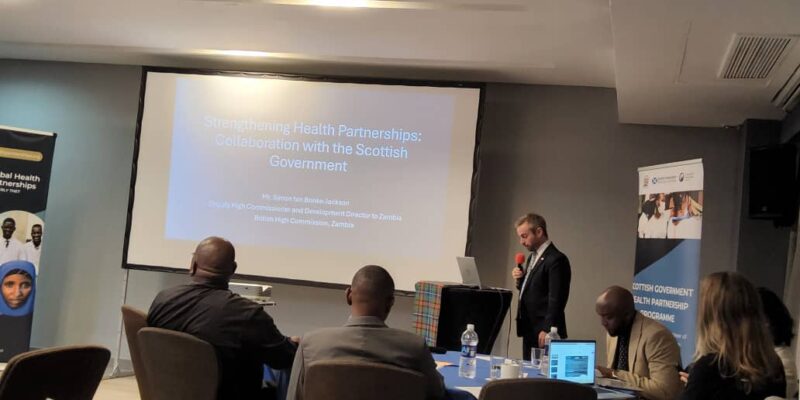
Zambia, Scotland, and the Global Health Partnerships (GHP) have underscored the importance of strong collaborations in improving health service delivery in Zambia and other African countries.
Speaking during the launch of the Scottish Government Health Partnership Programme (SGHPP) in Zambia on Tuesday, held at the Radisson Blu Hotel Lusaka, Scotland’s Deputy High Commissioner to Zambia, Simon ten Brinke-Jackson, said the health sector in any country was crucial and required effective and collaborative partnerships.
“We have continued to enjoy long-standing partnerships and collaborative linking partnerships with Zambia, in various sectors including health,” he stated.
Brinke-Jackson said the project demonstrated Scotland’s commitment to global health equity and will run for five years in Malawi, Rwanda, and Zambia.
He added that the collaborations will strengthen referral systems, build clinical leadership capacity, and support community engagement across district hospitals and 18 rural health centres.
According to him, these partnerships highlight the long-standing links between Scotland and Zambia and have the potential to bring lasting improvements in healthcare outcomes.
He further noted that many of the relationships between Scottish institutions and Zambian counterparts had been nurtured over time, forming a strong foundation for continued engagement.
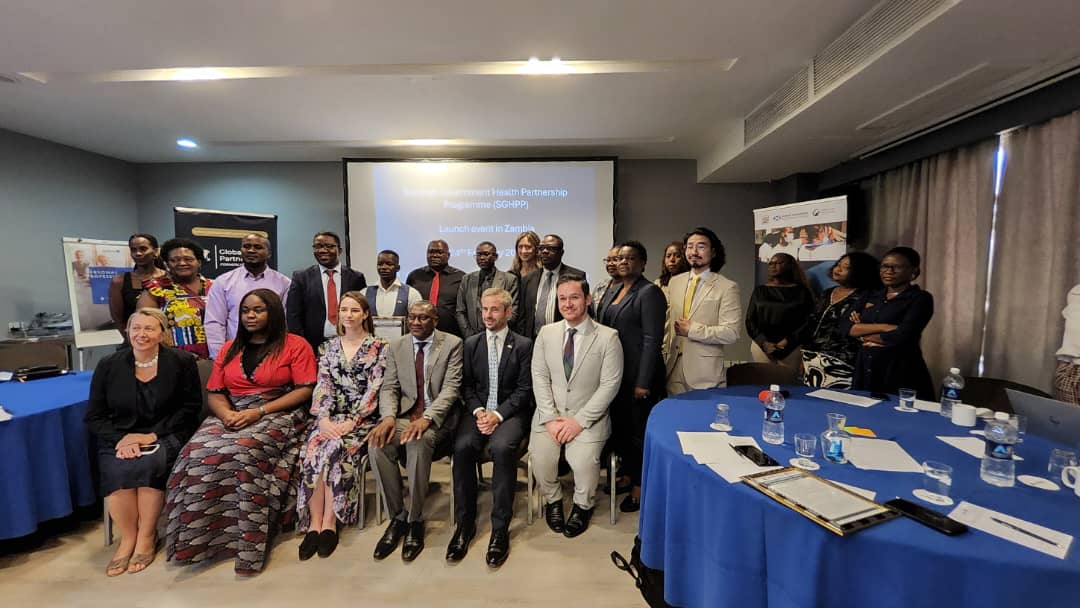
Global Health Partnerships Zambia Country Director, Muleba Matafwali, said the programme aligned with national priorities and provincial needs, delivering practical improvements in frontline services, workforce capacity, and community health outcomes.
She described the launch of the Scottish Government Health Partnership Programme in Zambia as an important milestone in strengthening the country’s health system through equitable, locally led partnerships.
Matafwali said two SGHPP-supported partnerships were already delivering measurable impact in the Eastern Province and Central Province, while generating evidence that will inform national scale-up.
In Eastern Province, she explained, a partnership between Chipata Central Hospital and NHS Highland was strengthening cervical cancer prevention, early detection, and mental health services through a hub-and-spoke model.
She said district screening hubs in Katete, Petauke, and Lundazi, which were linked to Chipata Central Hospital, were improving access, referrals, follow-up, community awareness, and workforce training.
Planned results include the training of primary health care providers and community health workers, support to provincial and district hospitals, and increased numbers of women screened as community outreach efforts expand.
She added that in Central Province, a partnership between Chitambo District Hospital, Friends of Chitambo, and NHS Lanarkshire was improving maternal and neonatal outcomes through workforce training, mentorship, strengthened referral systems, improved infrastructure, and enhanced community engagement through Safe Motherhood Action Groups.
The programme is expected to benefit thousands of women of childbearing age and their infants through improved service delivery and expanded support to rural health facilities.
Matafwali emphasized that by strengthening services at provincial and district levels while remaining aligned with national priorities, the SGHPP is contributing to a more skilled health workforce, stronger health systems, and improved access to quality care for women and children.
Ministry of Health Permanent Secretary for Technical Services, Kennedy Lishimpi, reaffirmed government’s commitment to achieving universal primary health care.
He highlighted the increasing budgetary allocation to the health sector, the recruitment of more health workers, and improved availability of essential drugs as evidence of the progress being made.
“Government has made much progress in improving the health sector, citing the increase in budgetary allocation, stocking of essential drugs, more and more recruitment of health workers among other interventions,” Lishimpi said.
He also stressed the need to establish specialized health facilities for non-communicable diseases such as cancer, diabetes, mental health conditions, and kidney diseases in order to enhance early detection, treatment, and prevention.
WARNING! All rights reserved. This material, and other digital content on this website, may not be reproduced, published, broadcast, rewritten or redistributed in whole or in part without prior express permission from ZAMBIA MONITOR.












Comments