
 By
By 
A surge in mining activity across Zambia and the Democratic Republic of Congo (DRC) is driving unprecedented demand for electricity, prompting major investment in new power infrastructure to support the region’s copper boom.
Industry players are expanding generation and transmission capacity to match the rapid growth of mining operations, which continues to accelerate on the back of strong government reforms and record copper prices.
Among the key contributors to this power-sector expansion is Copperbelt Energy Corporation (CEC), which has increased its annual capital expenditure tenfold over the last five years as part of a wider effort to stabilise and scale electricity supply to the mining value chain.
Chief Financial Officer, Mukuka Mutale, said the company will inject an additional US$500 million over the next two years to strengthen the network in both Zambia and the DRC, where rising production has intensified pressure on existing infrastructure.
Read more: CEC targets 300MW solar output by 2027 to boost Zambia’s energy security
“We are seeing increased power demand, more mining operations are coming up (and) that implies that there is need for more investments in transmission, generation and interconnectors; therefore, we need to position ourselves accordingly to make more investments that align to the needs of our customers,” he said.
Zambia’s mining resurgence has been fuelled by copper output reaching a record 890,346 metric tonnes last year, supporting the government’s push to produce 3 million tonnes annually by 2030.
Over the past four years, improved economic policies and renewed fiscal discipline have further strengthened the investment landscape.
Mutale credits recent macroeconomic reforms — including the restructuring of foreign debt and the restoration of creditworthiness — with easing the cost of raising capital for large-scale projects.
Global ratings agencies such as Moody’s Ratings and S&P Global Ratings reassigned Zambia’s sovereign rating last year, five years after the country’s pandemic-era default, signalling renewed confidence from international markets.
The policy stability has also encouraged new investment in renewable energy. Through its subsidiary CEC Renewables, the company launched a US$200 million Green Bond Medium-Term Note Programme to finance solar projects.
Its flagship initiative, the 136MWp Itimpi II Solar PV plant — poised to become the largest single solar facility in Zambia — is scheduled for commissioning in the first quarter of 2026. Once operational, it will lift the company’s solar generation contribution to 230MW.
Mutale said annual capital spending has risen from US$10 million in 2020 to more than US$100 million today.
“Over the past years we have steadily increased our investments, and by 2025 this has grown significantly to over US$100 million. This clearly reflects the positive impact of the policy progress and macroeconomic stability we are seeing from the government,” he said.
Resurgence in the Mining Sector
Robust government policies, combined with copper prices that hit a record US$14,500 in January 2026, have solidified mining as the backbone of Zambia’s economy.
Official data shows the sector has attracted around US$12 billion in foreign direct investment over the last five years, driven by expansions of existing mines and fresh greenfield projects.
Finance Minister, Dr. Situmbeko Musokotwane, said mining will remain central to the country’s economic recovery efforts, noting early gains already visible in the appreciation of the kwacha, which strengthened by more than 10 percent over the past three months.
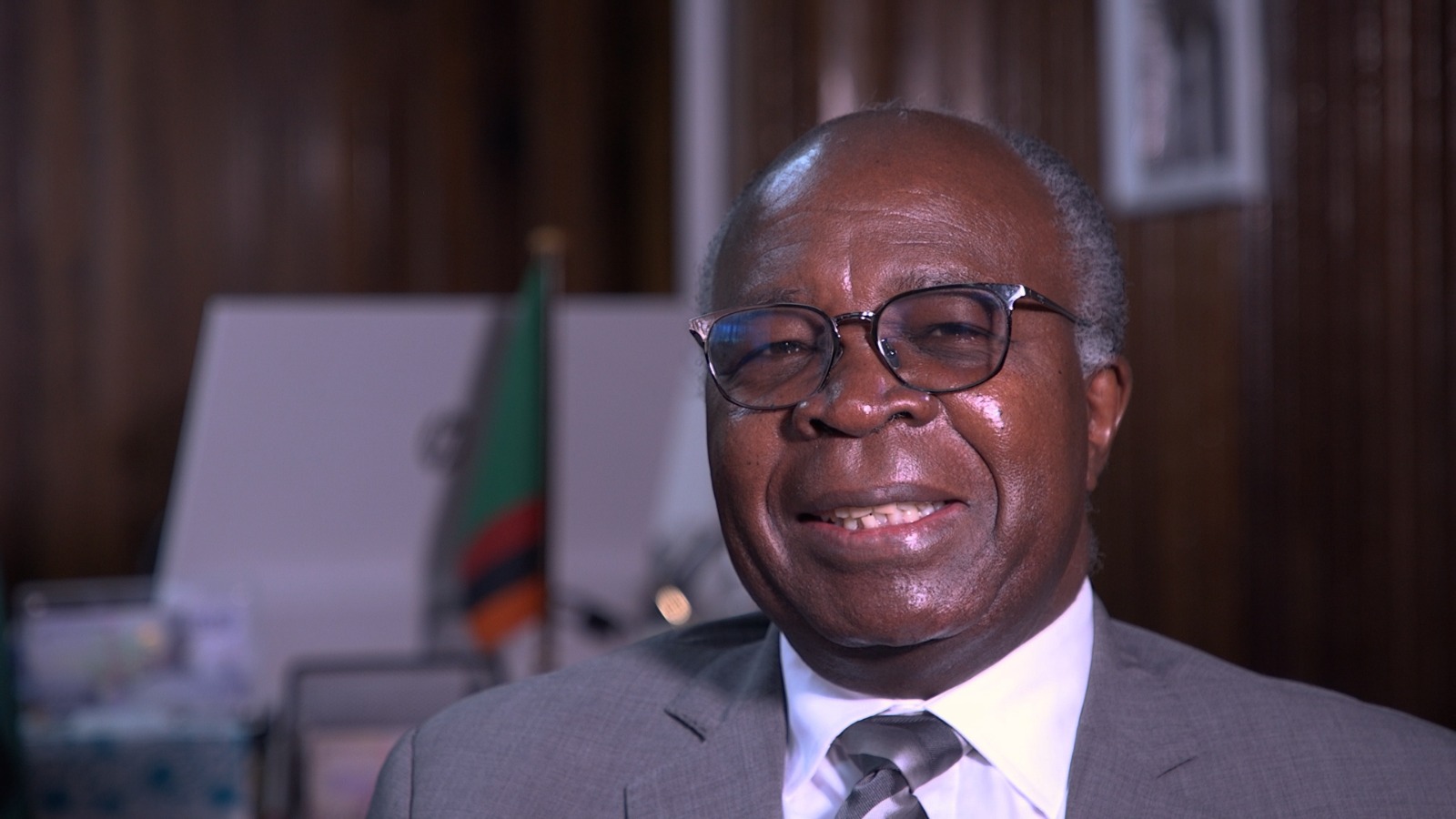
“The investments that we have started especially in the mining sector, the production and the money flowing out of that sector should start towards this year,” he said.
He added that increased mining activity should help recreate the employment opportunities seen in earlier decades.
“Our dream is to go back to the days of my generation where when we were coming out of secondary school, we already had four–to–five jobs waiting for you,” the minister said.
Risk management expert, Mutisunge Zulu, said the upturn in copper prices is being driven by global trends that go beyond traditional industrial demand.
Zulu, who is Chief Risk Officer at Zambia National Commercial Bank, said the metal has become central to the energy transition, artificial intelligence technologies and shifting geopolitical dynamics.
“Copper is not just a commodity anymore; it’s a strategic asset. Just in copper itself is talking to you about Artificial Intelligence, demand for renewable energy and geopolitics,” he said.
Zulu noted that while mining growth should translate into better infrastructure such as improved roads and hospitals, strengthening local content in the mining supply chain remains critical.
“The Copperbelt of Africa should come back to life and be the Copperbelt that we knew a few years back,” he said.
With new investments gathering pace and demand for copper showing no sign of slowing, Zambia’s challenge now is to convert mining momentum into broader economic stability — and ensure the energy system keeps pace with the country’s most important industry.
WARNING! All rights reserved. This material, and other digital content on this website, may not be reproduced, published, broadcast, rewritten or redistributed in whole or in part without prior express permission from ZAMBIA MONITOR.









Comments