
 By
By 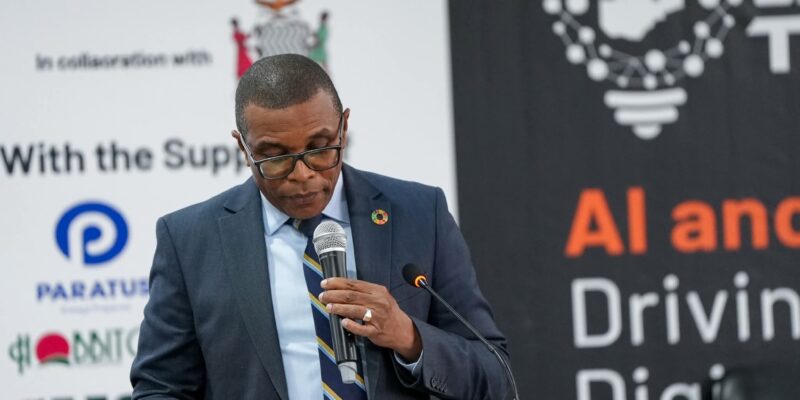
United Nations (UN) Resident Coordinator representative, James Wakiaga, has commended the Zambian Government for presenting what he described as a reasonable and inclusive 2026 National Budget, saying it demonstrated clear intent to accelerate economic recovery while protecting vulnerable communities.
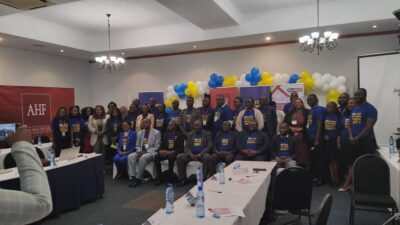
Wakiaga was speaking on Thursday in Lusaka at Pamodzi hotel during the Zambia Institute for Policy Analysis and Research (ZIPAR) budget analysis, which brought together policymakers, researchers, development partners and private sector players to reflect on the K253.1 billion budget unveiled last Friday.
He noted that despite Zambia’s recent economic challenges, the country had achieved key milestones, including debt restructuring, which had restored fiscal space and boosted investor confidence.
“This is very significant. It underscores the Government’s unwavering commitment and strategic resolve to drive sustainable economic growth,” he said.
Wakiaga pointed to the expanded Constituency Development Fund (CDF) as an example of how the budget is addressing local priorities, enabling communities to invest in education, health, infrastructure and other essential services.
He further highlighted gains in the social sector, such as the continued recruitment of teachers and health workers, as well as funding for medical supplies, despite declining external assistance.
“Equally encouraging are the proposed policies aimed at boosting local production, particularly through support to MSMEs. By providing much-needed relief, the budget enables businesses to grow, create jobs and strengthen household resilience, showing a clear focus on human development and inclusive growth,” he said.
However, the UN chief cautioned that Zambia’s high poverty levels—hovering at around 60 percent—remained a formidable challenge, far from the target of reducing poverty to 25 percent by 2026.
“Behind these numbers are real struggles: hunger, school dropouts and untapped youth potential,” he said, stressing that effective implementation, transparency and accountability would be crucial for the 2026 Budget to deliver tangible results.
“If implemented with discipline and inclusiveness, this budget could significantly advance Zambia’s development goals,” he added, reaffirming the UN’s commitment to remain a partner in progress, accountability and hope.
Earlier, ZIPAR Interim Executive Director, Zali Chikuba, emphasised that the 2026 Budget carried special weight, not only as the final budget under the Eighth National Development Plan (8NDP) but also as one presented in an election year.
“The budget is more than a financial spreadsheet; it is the Government’s most potent instrument for fostering development and safeguarding the vulnerable,” he said.
Chikuba urged stakeholders to ask whether the budget laid the foundation for an inclusive economy in key sectors such as energy, agriculture, mining, tourism and ICT.
Finance and National Planning Minister, Situmbeko Musokotwane, reaffirmed Government’s commitment to fiscal prudence while investing in social and human development.
He said the 2026 Budget targeted 6.4 percent GDP growth and an inflation range of 6–8 percent, with over 80 percent of expenditure expected to be financed through domestic revenue mobilisation.
“We view this budget not just as a financial plan but as a tool to deliver the kind of development that leaves no one behind,” Dr Musokotwane said.
Bank of Zambia Governor, Denny Kalyalya, also underscored the importance of maintaining inflation within target and safeguarding reserves to protect citizens’ purchasing power and ensure macroeconomic stability.
The ZIPAR event, which also launched the 2026 Budget Analysis Report under the theme “Closing the Loop: Sustaining Momentum Toward Inclusive and Resilient Growth”, attracted development partners, civil society, academia and private sector representatives.
WARNING! All rights reserved. This material, and other digital content on this website, may not be reproduced, published, broadcast, rewritten or redistributed in whole or in part without prior express permission from ZAMBIA MONITOR.




Comments