
 By
By 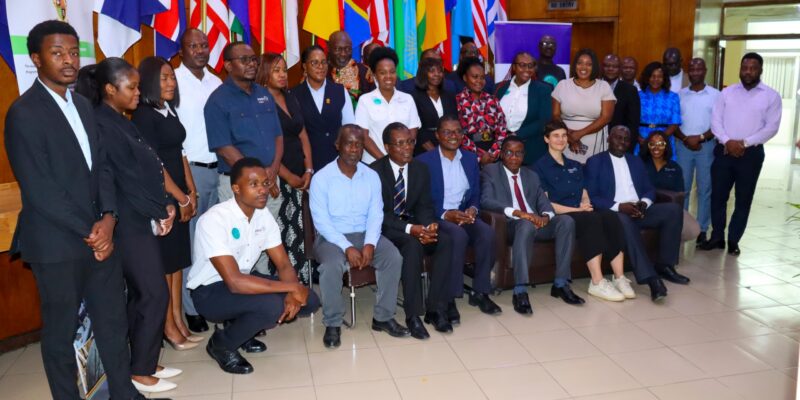
The University of Zambia (UNZA) requires about K173 million to overhaul its ageing sanitation infrastructure, which authorities say has become a serious concern for the institution’s health and safety standards.
UNZA Vice Chancellor Professor, Mundia Muya, said the university is grappling with deteriorating sewer systems, invasive tree roots, and outdated underground infrastructure.
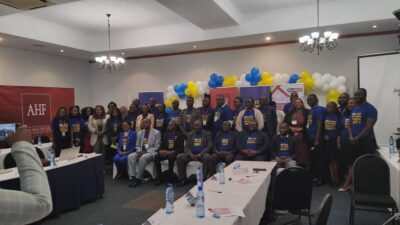
Speaking in Lusaka on Friday during the signing of a Memorandum of Understanding (MoU) with the Bremen Overseas Research and Development Association (BORDA) Zambia at UNZA’s Great East Road Campus, Muya said some of the original construction materials, including asbestos pipes, were now a health hazard and unsuitable for modern use.
Describing the MoU as “a milestone in UNZA’s journey towards innovation, sustainability, and community transformation,” Muya said the partnership with BORDA Zambia would establish a Sanitation Hub to serve as a policy-responsive knowledge centre for decentralised sanitation solutions.
He explained that the initiative aligns with UNZA’s 2023–2027 Strategic Plan as well as national priorities under the Eighth National Development Plan and Vision 2030.
“The hub is expected to promote research, innovation, and capacity building, while also demonstrating technologies such as anaerobic treatment, biogas recovery, and wastewater reuse,” Muya said.
He appealed to development partners and the private sector to support the university’s efforts, stressing that investment in sanitation was an investment in the health, safety, and productivity of over 30,000 students and staff.
“UNZA must lead by example, ensuring its own systems reflect the principles of inclusive and sustainable sanitation it advocates for,” he added.
Read More: Zambia, Morocco move to strengthen cooperation in water and sanitation
Meanwhile, BORDA Zambia Country Director Amanda Mallaghan expressed satisfaction with the partnership, saying it marked a significant milestone in advancing sustainable decentralised sanitation systems.
“The initiative is designed to support evidence-based solutions to sanitation issues, particularly in the context of rapid urbanisation and the growth of informal settlements,” Mallaghan said.
She added that the Sanitation Hub would serve as a dedicated space for knowledge exchange, research, and learning, bridging the gap between academia, practitioners, and communities.
Mallaghan said the hub would also provide students with opportunities to tackle real-world challenges while ensuring Zambian communities directly benefit from the innovations generated.
She emphasised that lasting solutions in sanitation require multi-sectoral collaboration and expressed gratitude to UNZA’s leadership and stakeholders for their support.
“BORDA Zambia remains committed to ensuring the hub delivers on its vision to become a centre of excellence for sanitation research and innovation in Zambia and the region,” Mallaghan stated.
WARNING! All rights reserved. This material, and other digital content on this website, may not be reproduced, published, broadcast, rewritten or redistributed in whole or in part without prior express permission from ZAMBIA MONITOR.







Comments