
 By
By 
The United Party for National Development (UPND) has dismissed as misleading and baseless the claims made by Patriotic Front (PF) Information and Publicity Chairperson, Emmanuel Mwamba, in a letter to the Southern African Development Community (SADC).
UPND Media Director, Mark Simuuwe, said Mwamba’s assertions that President Hakainde Hichilema’s administration threatened democracy, the rule of law, and the 2026 general elections were dishonest and aimed at soliciting political sympathy.
In a statement issued in Lusaka on Tuesday, Simuuwe said Mwamba’s appeal to SADC on the state of democracy in Zambia represented “a desperate attempt to mislead regional and international partners.”
He said it was regrettable that Mwamba and other PF members continued to “distort facts” instead of reflecting on the former ruling party’s own governance record, which he described as “a legacy marked by lawlessness, political violence, corruption, and suppression of media freedoms, which the Zambian people decisively rejected in 2021.”
“Under President Hakainde Hichilema’s leadership, Zambia has made tremendous progress in restoring the rule of law, expanding democratic space, and promoting media freedom,” Simuuwe stated.
He added that opposition parties, civil society organisations, and the media were operating more freely today than at any point in recent history.
Simuuwe said the UPND administration had directed the Zambia Police Service to conduct itself professionally and impartially, noting that the enforcement of the Public Order Act was now guided by public safety considerations rather than political influence.
He reiterated government’s commitment to reforming the law in line with democratic principles.
“Under the PF, several media houses were shut down, journalists were harassed, and opposition rallies violently disrupted. Under the UPND, not a single media house has been closed, and both public and private media are operating freely without fear of intimidation or political interference,” he said.
Simuuwe also said Zambia’s improving democratic reputation had been recognised internationally, citing Afrobarometer’s democracy index as placing the country among Africa’s most democratic states, a development he said reflected growing investor confidence.
He further referred to the PF’s “record of extra-judicial killings,” naming victims including Lawrence Banda, Nsama Nsama, Mapenzi Chibulo, Vespers Shimunzila, Joseph Kaunda, and Grazier Matapa, describing these incidents as “a dark stain on Zambia’s political history, one this administration is determined never to repeat.”
Simuuwe insisted that law enforcement agencies were operating independently and that the fight against corruption was anchored on transparency, accountability and due process, not political motives.
He said the judiciary continued to function professionally and independently, issuing judgments across political lines.
He rejected Mwamba’s assertion that government was interfering in the PF’s internal conflicts, saying, “The ongoing disputes within the PF are purely internal matters. The UPND and government have no involvement in their leadership struggles.”
Simuuwe added that attempts by Mwamba to implicate President Hichilema or the State in the PF’s instability were “false and intended to divert attention from their self-inflicted collapse.”
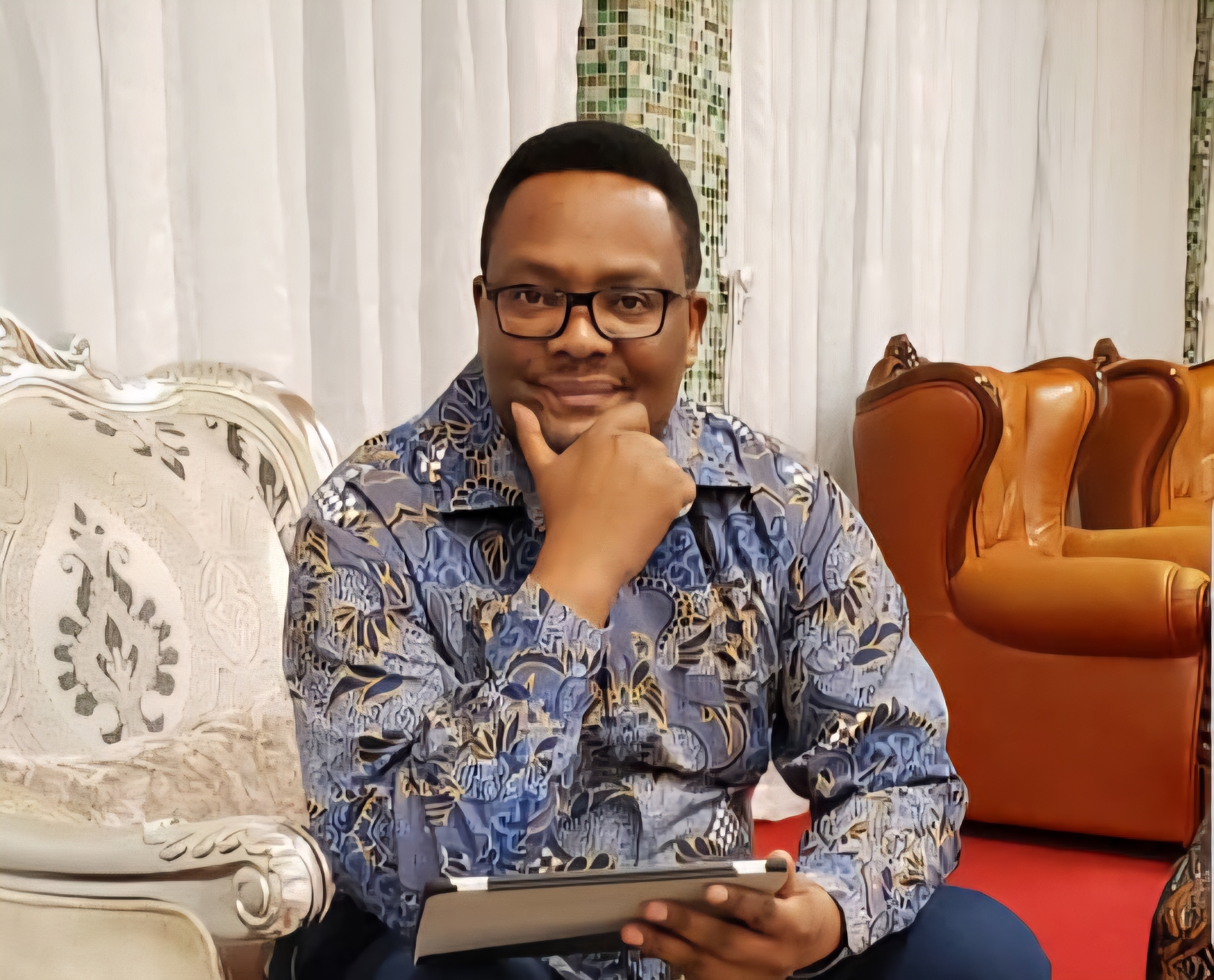
Mwamba’s letter to SADC, dated November 17, 2025, had accused President Hichilema of actions that he claimed undermined Zambia’s democracy, the rule of law, and preparations for the 2026 general elections.
The letter was addressed to SADC Chairperson President Cyril Ramaphosa and the Chairperson of the Organ on Politics, Defence and Security, Professor Peter Mutharika.
In his letter, Mwamba cited reports by the United Nations Human Rights Council and the United States Country Report, alleging that they highlight serious human rights violations in Zambia.
He further claimed there had been a shrinking of democratic and media space, abuse of laws against political opponents, and the erosion of the rule of law.
“Zambia is scheduled to hold Presidential, Parliamentary, Mayoral, Council Chairpersons, and Local Government elections in August 2026,” Mwamba wrote, warning that credible and free elections were “under serious threat unless the government abandoned its current course.”
He said irregularities and political violence typically occurred long before election day, adding: “The SADC Principles and Guidelines Governing Democratic Elections mandate member states to hold elections using shared values that promote democracy, respect for human rights, and the rule of law.”
WARNING! All rights reserved. This material, and other digital content on this website, may not be reproduced, published, broadcast, rewritten or redistributed in whole or in part without prior express permission from ZAMBIA MONITOR.



Comments