
 By
By 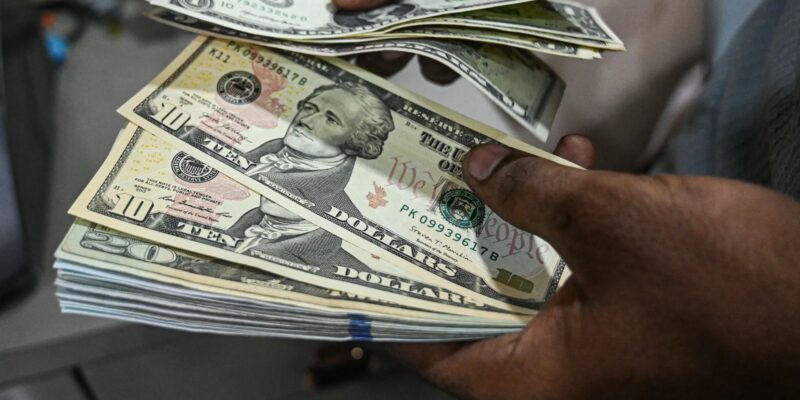
The US dollar is on track for its sharpest weekly decline in a year, pressured by easing geopolitical tensions surrounding Greenland and sudden policy shifts that unsettled global markets.
The dollar index fell 0.58 percent on Friday to 98.366, representing an approximate one percent drop for the week, as investors unwound positions in US assets amid reduced geopolitical risks and renewed concerns over strained international alliances, according to a market commentary by Access Bank group.
“Major currencies, including the euro and the British pound, strengthened to multi-week highs, reflecting broad-based weakness in the greenback,” the commentary stated.
Meanwhile, the Japanese Yen remained largely range bound, despite the Bank of Japan keeping interest rates steady and signalling the potential for further hikes.
Read more: Kwacha sheds value marginally after 18-day winning streak
Locally, the Zambian Kwacha weakened amid persistent foreign exchange liquidity challenges.
Bloomberg data showed the Kwacha fell around 0.50 percent against the US dollar on Friday, closing just above 20.30 per dollar.
Market analysts warn that with demand for foreign currency continuing to exceed supply, the Kwacha may remain under pressure in the near term.
The movements highlight ongoing volatility in both global and domestic currency markets, with investor sentiment closely tied to geopolitical developments and policy signals from central banks.
WARNING! All rights reserved. This material, and other digital content on this website, may not be reproduced, published, broadcast, rewritten or redistributed in whole or in part without prior express permission from ZAMBIA.










Comments