
 By
By 
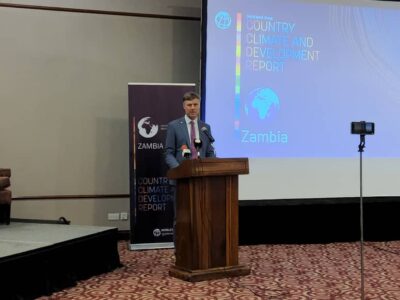
The World Wide Fund for Nature (WWF) Zambia has unveiled a 2026–2030 strategic plan aimed at safeguarding ecosystems, strengthening climate resilience, and promoting sustainable livelihoods across the country.
The five-year strategy seeks to address growing environmental challenges while supporting communities to adapt to the impacts of climate change and transition to sustainable food systems.
Speaking during the launch on Friday evening in Lusaka, WWF-Zambia Country Director, Nalucha Nganga-Ziba, said the organisation would implement the strategy through five key conservation objectives.
These included stabilising and increasing populations of critical wildlife species, restoring freshwater ecosystems, and improving the ecological integrity of key forest habitats.
She added that the plan also prioritized enhancing community wellbeing and reducing greenhouse gas emissions measured in carbon dioxide equivalent (CO₂e).
Read more: 2026 Budget: WWF Zambia warns of underinvestment in environmental protection
Nganga-Ziba said: ” WWF-Zambia will concentrate its interventions in three major landscapes — the Upper Zambezi, Kavango-Zambezi Transfrontier Conservation Area (KAZA), and the Kafue Flats — supported by a planned investment of US$43 million aimed at transforming Zambia’s conservation efforts.”
She emphasised that the success of the strategy would depend on strong partnerships, particularly with government institutions including the Ministry of Green Economy and Environment, the Ministry of Water Development and Sanitation, and the Ministry of Energy.
Meanwhile, Green Economy and Environment Minister, Mike Mposha, described the strategic plan as an important milestone in WWF-Zambia’s environmental management efforts.
Mposha said the strategy demonstrated a renewed commitment to addressing Zambia’s environmental challenges through a more integrated and coordinated framework, while strengthening institutional capacity, governance, and accountability.
He added that the plan adopted a landscape-based approach aligned with national priorities, including the Eighth National Development Plan, the Green Growth Strategy, and the National Adaptation Plan.
Mposha further highlighted the plan’s emphasis on innovation and scalability, noting that initiatives to mobilise climate finance, promote nature-based solutions, and encourage responsible green investments would create new opportunities for sustainable development.
He said the approach would not only enhance conservation outcomes but also build resilience among vulnerable communities most affected by climate change and environmental degradation.
WARNING! All rights reserved. This material, and other digital content on this website, may not be reproduced, published, broadcast, rewritten or redistributed in whole or in part without prior express permission from ZAMBIA MONITOR.











Comments