
 By
By 
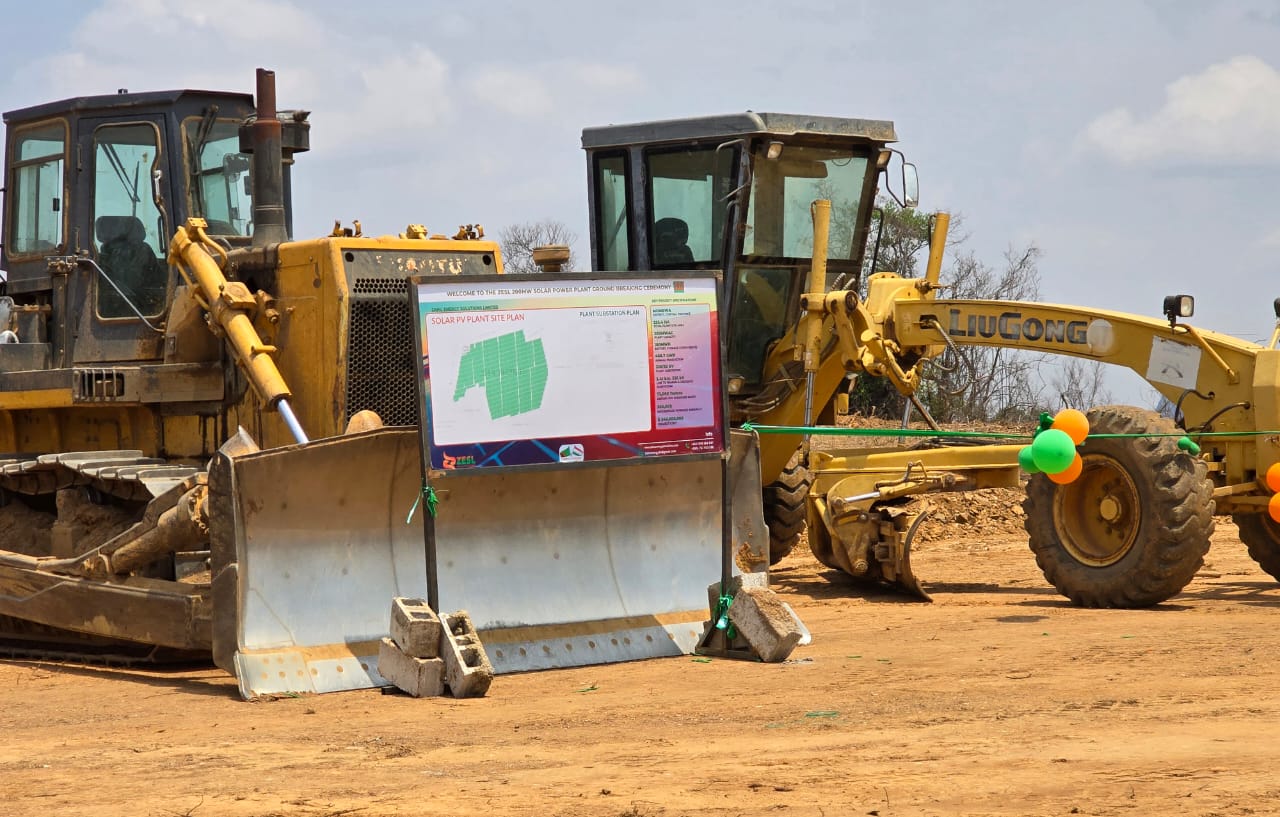
Zambia’s energy diversification agenda has received a major boost with the groundbreaking of a US$245 million, 200-megawatt solar power plant in Chief Moono’s Chiefdom in Mumbwa District.
Minister of Energy, Makozo Chikote, who officiated at the ceremony on Friday, said the project marks a major milestone in the nation’s ongoing drive to expand clean energy infrastructure and reduce overdependence on hydropower.
He assured the nation that several renewable and thermal energy projects currently under construction across the country will begin delivering electricity to the national grid within the next few months, significantly improving power availability for households and businesses.
“I wish to also commend our traditional leaders for providing land to investors, emphasising that such partnerships are enabling critical infrastructure that will benefit communities for generations,” Chikote said.
He also empathised with citizens experiencing reduced electricity hours and reaffirmed the Government’s commitment to delivering sustainable solutions that restore stability and stimulate economic growth.
ZAHU Energy Solutions Limited (ZESL) Chief Executive Officer, Ignitius Hangoma, said the solar plant was a joint venture between Zambian and Hungarian investors, reflecting growing international confidence in Zambia’s energy sector reforms.
He explained that the project will include a five-kilometre transmission line to connect the plant to ZESCO’s Nambala Substation, together with battery energy storage to enhance supply reliability.
“Construction is expected to take 18 months and will create more than 200 direct jobs, as well as opportunities for local suppliers,” Hangoma said.
He added that the company would implement environmental management and sustainability measures while supporting community development initiatives, including improved access to clean water and assistance to nearby schools.
Hangoma said the investment would strengthen national energy security in line with Vision 2030 and demonstrates Government’s commitment to matching policy vision with concrete action.
Meanwhile, project financiers described the investment as a symbol of strengthening cooperation and friendship between Zambia and Hungary.
ZESCO Acting Managing Director Wesley Lwiindi said the project — covering 236 hectares — will include battery storage to support grid reliability, reducing the nation’s overreliance on hydropower.
He noted that the project would also promote skills development and serve as a social and economic enabler for the local community.
“ZESCO is not only a power utility; we are a strategic partner in national development. This project demonstrates the strength of collaboration between the private sector and public institutions,” Lwiindi said.
Central Province Minister, Mwabashike Nkulukusa, assured stakeholders that the investment was secure and will deliver long-term benefits.
He highlighted that policy reforms in the energy sector were already producing tangible results and urged investors to continue exploring opportunities in Central Province.
Mwabashike also called on communities to safeguard the investment for their future benefit.
Mumbwa Member of Parliament and Southern Province Minister, Credo Nanjuwa, welcomed the project as a significant milestone for the district and the country.
He commended traditional leaders for enabling development and thanked the President for creating an investment-friendly environment that generated employment and social benefits for local communities.
WARNING! All rights reserved. This material, and other digital content on this website, may not be reproduced, published, broadcast, rewritten or redistributed in whole or in part without prior express permission from ZAMBIA MONITOR.










Comments