
 By
By 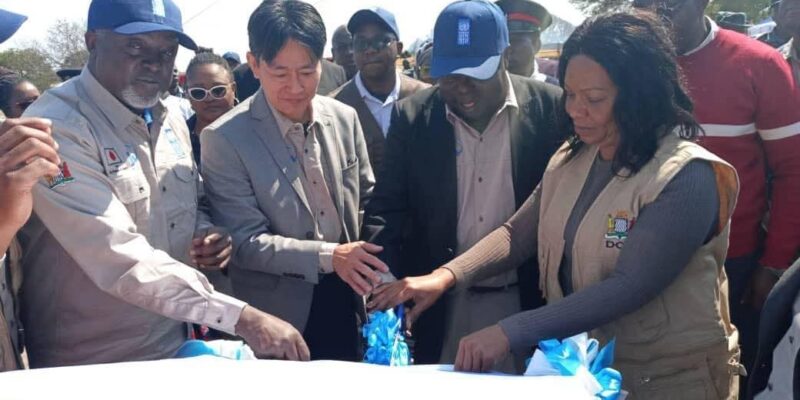
Zambia, Japan, and the United Nations Development Programme (UNDP) have launched the second phase of an infrastructure development project aimed at improving basic services for forcibly displaced persons and their host communities in Meheba and Mayukwayukwa Resettlement Schemes.
The groundbreaking ceremony, held in Mayukwayukwa on Thursday, marked the start of construction works under the project, which focuses on the development of essential infrastructure in the two settlements.
Speaking at the event, Ominato Satoshi, Deputy Chief of Mission at the Embassy of Japan, reaffirmed his government’s commitment to supporting Zambia’s efforts toward local integration of refugees and host communities.
He disclosed in a statement in Lusaka that the Japanese government had provided a US$5.9 million grant through UNDP for the project, which aims to improve access to social services, economic opportunities, and infrastructure in the two resettlement areas by 2028.
“This project will support peaceful co-existence, resilience, and access to essential infrastructure,” Satoshi said.
He noted that Zambia had hosted displaced populations since 1953, and currently shelters over 110,000 individuals in various parts of the country.
Satoshi also acknowledged Zambian Government’s implementation of the National Refugee Policy and efforts to integrate displaced persons into national development frameworks.
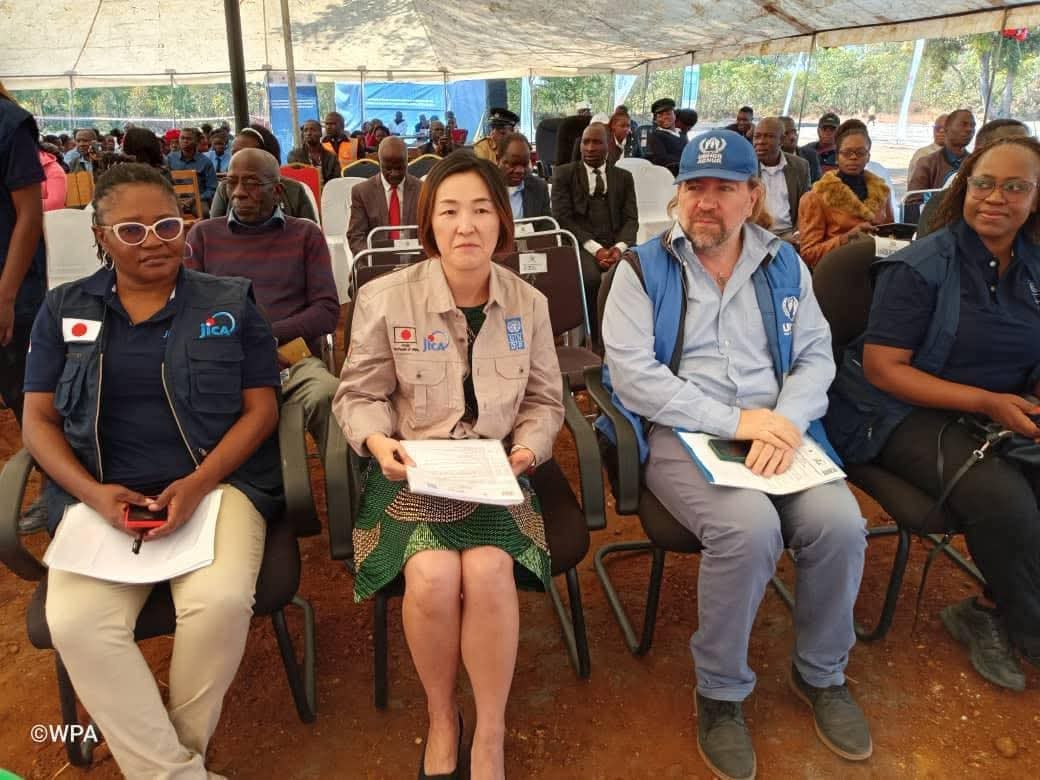
Representing the Zambian government, Western Province Minister, Kapelwa Mbangweta, expressed appreciation to Japan and UNDP for supporting initiatives in the province.
He noted that the event built on progress made under the Sustainable Resettlement Programme (SRP), implemented between 2017 and 2023.
“The previous programme delivered outcomes such as clean water access for over 2,000 people, construction of 18.5 km of roads, 10 crossing points, and 18 staff houses. The new phase aims to expand this impact,” Mbangweta said.
According to the Minister, the current project will benefit more than 42,000 displaced persons and host community members. Key components include water supply for irrigation and domestic use targeting 30 farmer groups and 800 households, sanitary facilities for 1,000 women and 1,500 girls and improved access to social, health, and education services for 5,000 individuals.
Read More: UNHCR, Zambia launch landmark survey on refugees, host communities
Permanent Secretary for Resettlement in the Office of the Vice President, Mavis Nkomeshya, said the project aligned with Zambia’s development goals and inclusive growth strategies.
She added that the initiative complemented national priorities, particularly in infrastructure and rural development.
Meanwhile, Laurent Rudasingwa, UNDP Zambia Deputy Resident Representative, said the project reflected an integrated approach that combined humanitarian support with long-term development.
“This collaboration shows what can be achieved by aligning emergency response with sustainable solutions. UNDP remains committed to supporting Zambia’s efforts in advancing human security and development,” Rudasingwa said.
WARNING! All rights reserved. This material, and other digital content on this website, may not be reproduced, published, broadcast, rewritten or redistributed in whole or in part without prior express permission from ZAMBIA MONITOR.





Comments