
 By
By 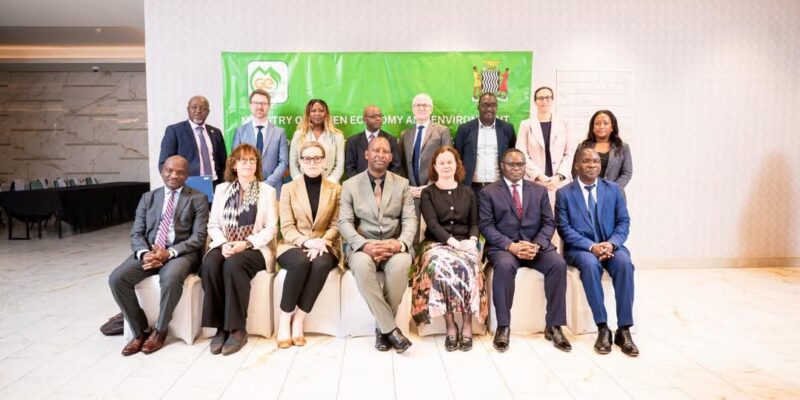
Zambia and Norway have signed a Carbon Feed-In Premium (CFIP) Mitigation Outcome Purchase Agreement (MOPA), a strategic initiative expected to boost the country’s energy security while accelerating climate action.
Preliminary projections show the programme could generate more than US$100 million in carbon transactions over the next decade, with the potential to leverage private investments five to ten times higher.
Minister of Green Economy and Environment, Mike Mposha, signed on behalf of Zambia, while Ingvild Sæverud, Director General at the Norwegian Ministry of Climate Change and Environment, signed for Norway during a ceremony held at Intercontinental Hotel in Lusaka on Wednesday.
The Global Green Growth Institute (GGGI) and Zambia National Commercial Bank (ZANACO) will play central roles in implementing the programme. GGGI, as custodian of Norway’s Article 6 Climate Action (NACA) Fund, will manage the purchase of mitigation outcomes, whereas ZANACO will oversee financial transactions and results-based payments.
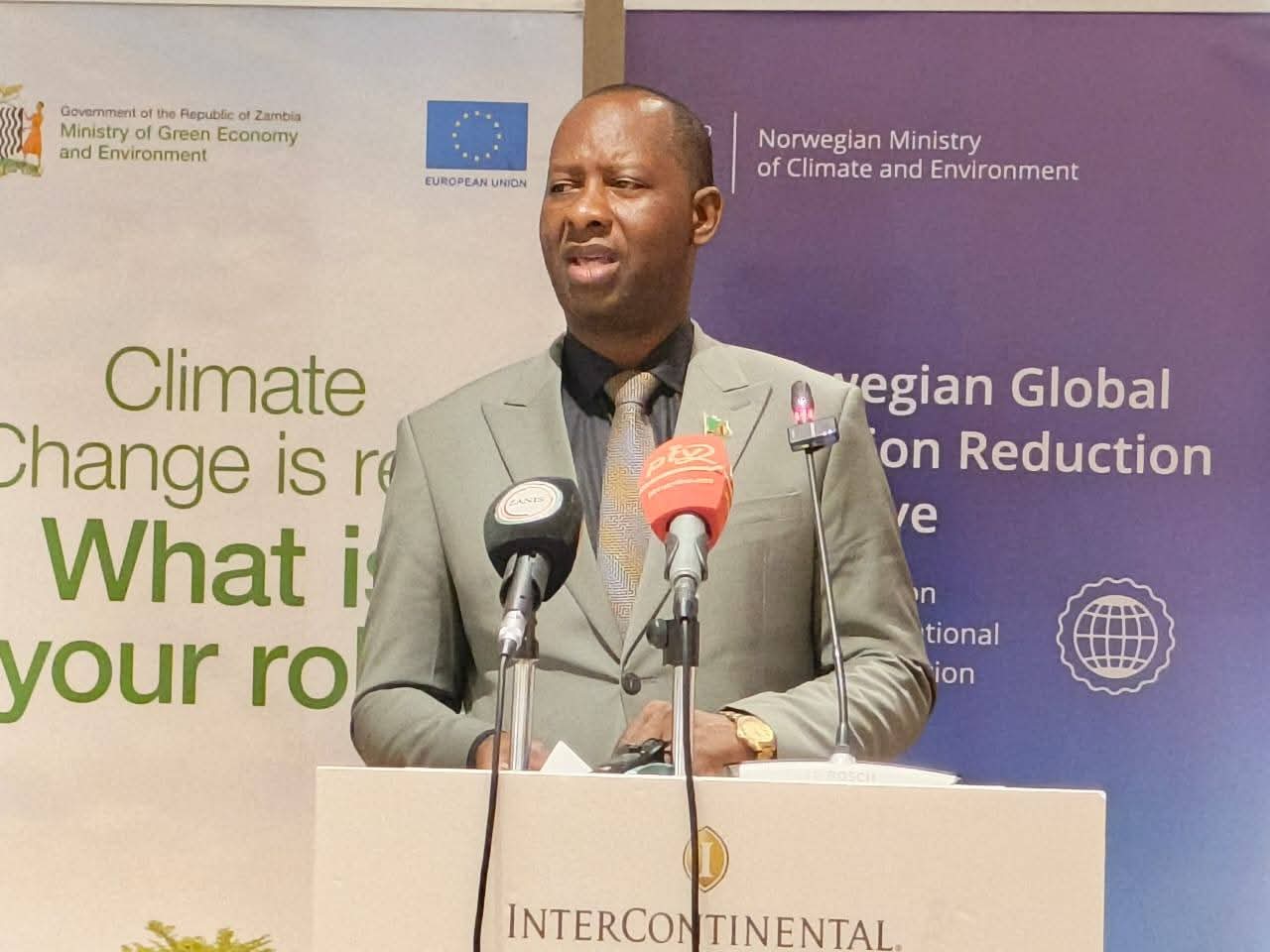
Mposha hailed the agreement as a major milestone in Zambia’s transition to clean energy and its broader participation in international carbon markets under Article 6 of the Paris Agreement.
“The facility is projected to deliver up to 300 megawatts of new green electricity and reduce up to 3.5 million tonnes of carbon dioxide equivalent emissions over ten years,” he said.
He announced that the competitive selection process for eligible project developers will begin on April 1, 2026.
“Zambia is diversifying its energy mix away from over-reliance on hydropower, which is increasingly vulnerable to climate change. Solar and wind energy are critical to our energy security and sustainable development,” Mposha stated.
He added that the CFIP Programme is the first mitigation activity under the Zambia–Norway bilateral Article 6 cooperation agreement signed during COP29 in Baku in November 2024.
The facility aims to unlock private sector investment in grid-connected renewable energy by offering independent power producers a carbon revenue top-up.
“Under the programme, developers will receive payments linked to verified emission reductions, known as Internationally Transferred Mitigation Outcomes (ITMOs), which Norway will purchase. This will close financing gaps and enhance project bankability,” Mposha explained.
Read More: Govt reaffirms commitment to equitable sharing of carbon market benefits
GGGI Managing Director and Head of Carbon Finance Fenella Aouane said supporting countries like Zambia to shift away from traditional, carbon-intensive energy sources was essential to meeting global climate goals.
“This agreement will support renewable energy projects in Zambia, incorporating storage capacity to increase reliability, through a national programme—the Carbon Feed-In Premium Programme,” Aouane said.
She reaffirmed GGGI’s vision for a low-carbon, resilient world built on strong, inclusive, and sustainable growth.
Meanwhile, ZANACO Acting Chief Executive Officer, Kalengo Simukoko, expressed the bank’s readiness to operationalise the agreement, noting its role as CFIP Fund Manager, Aggregator, and Seller of ITMOs.
“This initiative enhances the bankability of renewable energy projects by providing predictable carbon revenues. ZANACO is proud to be at the forefront of operationalising carbon finance in Zambia and across Africa,” Simukoko said.
Sæverud described the programme as one of the largest under Norway’s Article 6 Climate Action Fund, saying it demonstrates the power of international cooperation in delivering meaningful emission reductions and mobilising private investment.
WARNING! All rights reserved. This material, and other digital content on this website, may not be reproduced, published, broadcast, rewritten or redistributed in whole or in part without prior express permission from ZAMBIA MONITOR.










Comments